
Get L3 Appchain Boilerplates Right
Before you run the deployment script, ensure your environment is ready. Most teams hit errors because the local node isn’t synced or the RPC endpoint is misconfigured. A quick check here saves hours of debugging later.
- Sync a full node: Run a full node for your target L2 or L3 chain. The boilerplate needs a historical archive state to initialize the rollup properly.
- Verify RPC access: Test your RPC endpoint with a simple
eth_blockNumbercall. Ensure it accepts your API key and hasn’t rate-limited you. - Check gas limits: Confirm your local node allows the higher gas limits needed for L3 transaction batching. Default settings often reject large batches.
If any of these checks fail, the boilerplate will throw a cryptic error during the init phase. Fix the infrastructure first, then proceed to the code.
Work through the steps
2026 guide: Building Scalable L3 Appchains with Boilerplates & DevRel Kits works best as a clear sequence: define the constraint, compare the realistic options, test the tradeoff, and choose the path with the fewest hidden costs. That order keeps the advice usable instead of decorative. After each step, pause long enough to check whether the recommendation still fits the reader's actual situation. If it depends on perfect timing, unusual access, or a best-case budget, include a simpler fallback.
Common Mistakes When Building L3 Appchains
Even with robust boilerplates, deploying a Layer 3 appchain requires careful attention to configuration. The following errors frequently derail launches or compromise long-term stability.
Ignoring Node Sync Requirements
Boilerplates often default to lightweight configurations that assume immediate connectivity. In production, your validators must sync with the L2 sequencer or the underlying L1 beacon chain. If you skip the full node setup or rely on public RPC endpoints without rate limiting, your chain will stall during high-traffic periods. Verify that your RPC endpoints have sufficient throughput for your expected block times.
Misconfiguring Gas and Sequencing
A frequent oversight is leaving gas limits or sequencing parameters at their default values. If the gas limit is too low, transactions will fail during peak usage. If sequencing is misconfigured, you risk losing finality or incurring excessive L1 data costs. Test your gas parameters with a simulated load before connecting to mainnet. Ensure your sequencer is properly whitelisted and communicating with the L2 output root.
Overlooking Security Audits
Boilerplates provide a functional starting point, but they are not production-ready code. Skipping a security audit or relying solely on the boilerplate’s default settings can leave your chain vulnerable to exploits. Always run static analysis tools and consider a third-party audit for critical smart contracts. Treat the boilerplate as a prototype, not a finished product.
L3 appchain boilerplates: common: what to check next
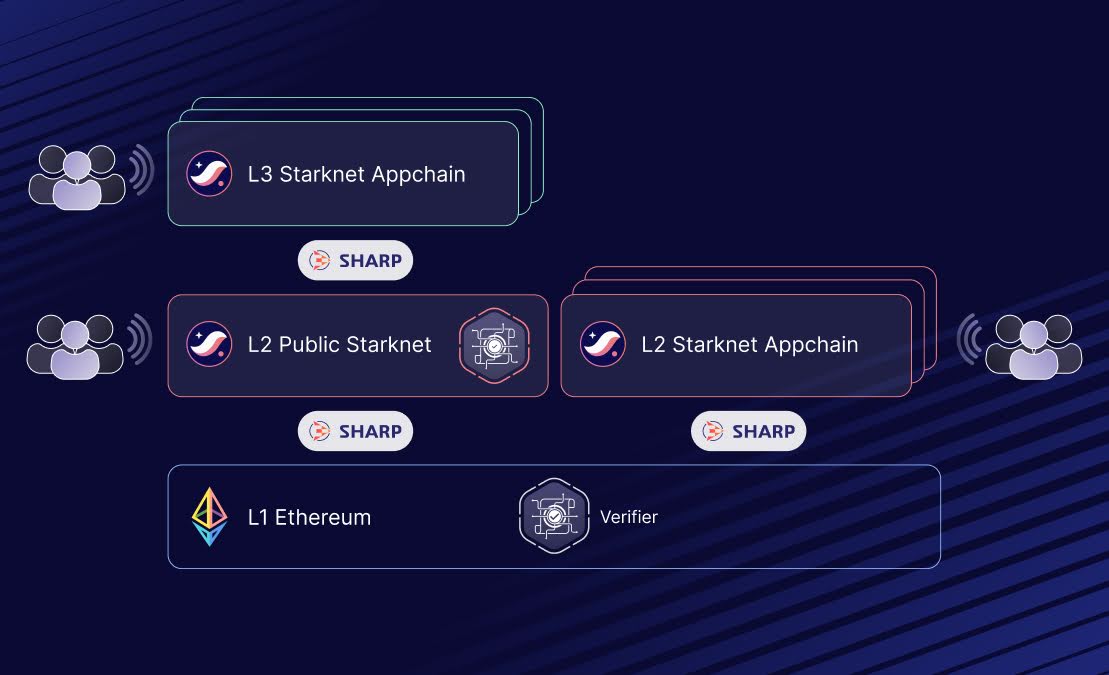
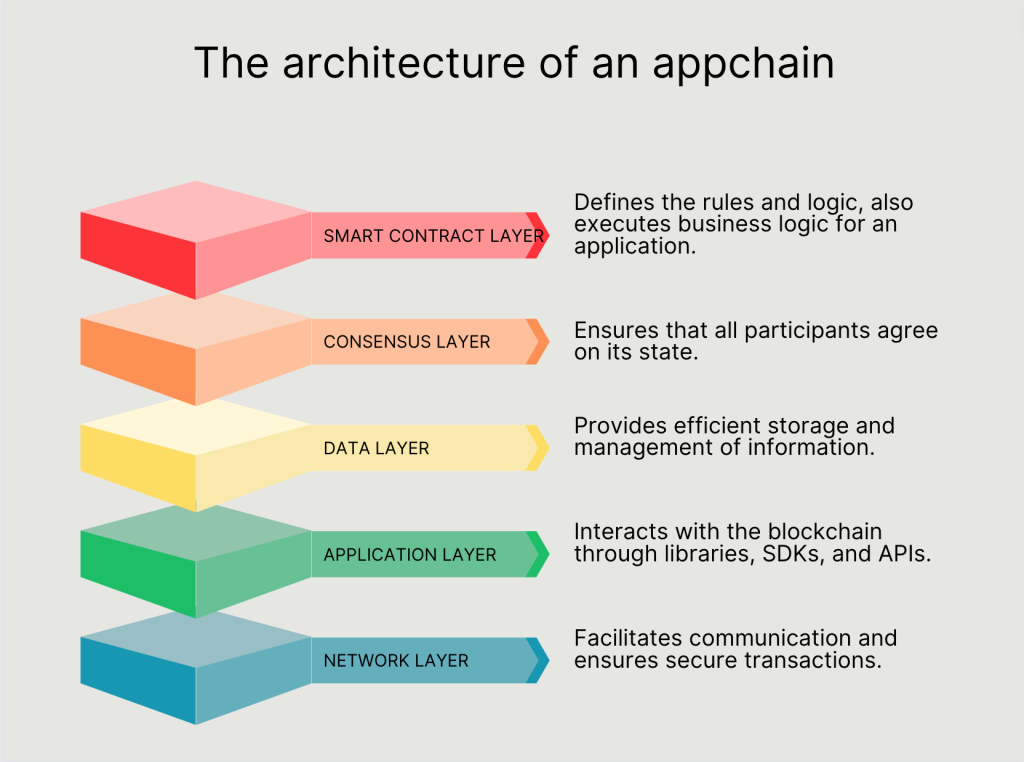
Boilerplates accelerate development by providing pre-configured node infrastructure, sequencer logic, and settlement connections. However, they introduce specific constraints regarding customization and long-term maintenance that builders must evaluate before committing.
How fast can I deploy an L3 appchain with a boilerplate?
Most modern boilerplates allow you to stand up a fully functional L3 appchain on localhost in under five minutes. This speed applies to the initial testnet deployment, giving you a working sequencer and rollup logic immediately. Production deployment requires additional steps for security audits and RPC configuration, but the core framework is ready instantly.
Can I customize the consensus and EVM version?
Yes, but with limits. Boilerplates typically lock you into specific EVM versions (like OP Stack or Arbitrum Orbit) and consensus mechanisms to ensure compatibility with their DevRel kits. If you need a novel consensus algorithm or a non-EVM environment, you may find the boilerplate’s abstraction layer restrictive. You can modify the smart contracts and sequencer logic, but the underlying infrastructure remains standardized.
Do boilerplates support synchronous composability with L2s?
This depends on the specific stack. For example, Spire’s Pylon framework demonstrates synchronous composability between an L3 appchain and Base, allowing cross-layer state access without bridges. Standard generic boilerplates often rely on asynchronous finality, requiring you to implement your own messaging layer for L2-L3 interaction. Always check if the boilerplate natively supports the settlement layer you intend to use.
Is it safe to use open-source boilerplates for mainnet?
Boilerplates are starting points, not finished security products. They contain standard code patterns that have been reviewed, but they are not audited for your specific business logic. You must treat the boilerplate as a base layer and add your own security checks, access controls, and monitoring. Never deploy a boilerplate directly to mainnet without a full security audit of your custom contracts and configuration.
No comments yet. Be the first to share your thoughts!