
With Ethereum holding steady at $2,253.22 amid a 24-hour dip of $-25.49 (-1.12%), the blockchain development scene pulses with opportunity for those crafting sovereign DeFi rollups. Developers chasing scalability without Ethereum's congestion turn to OP Stack L3 boilerplates, customizable frameworks that let you spin up app-specific chains tailored for DeFi innovation. These sovereign DeFi rollup templates promise independence in execution and settlement, sidestepping the pitfalls of monolithic smart contracts.
Decoding the OP Stack for L3 Appchains
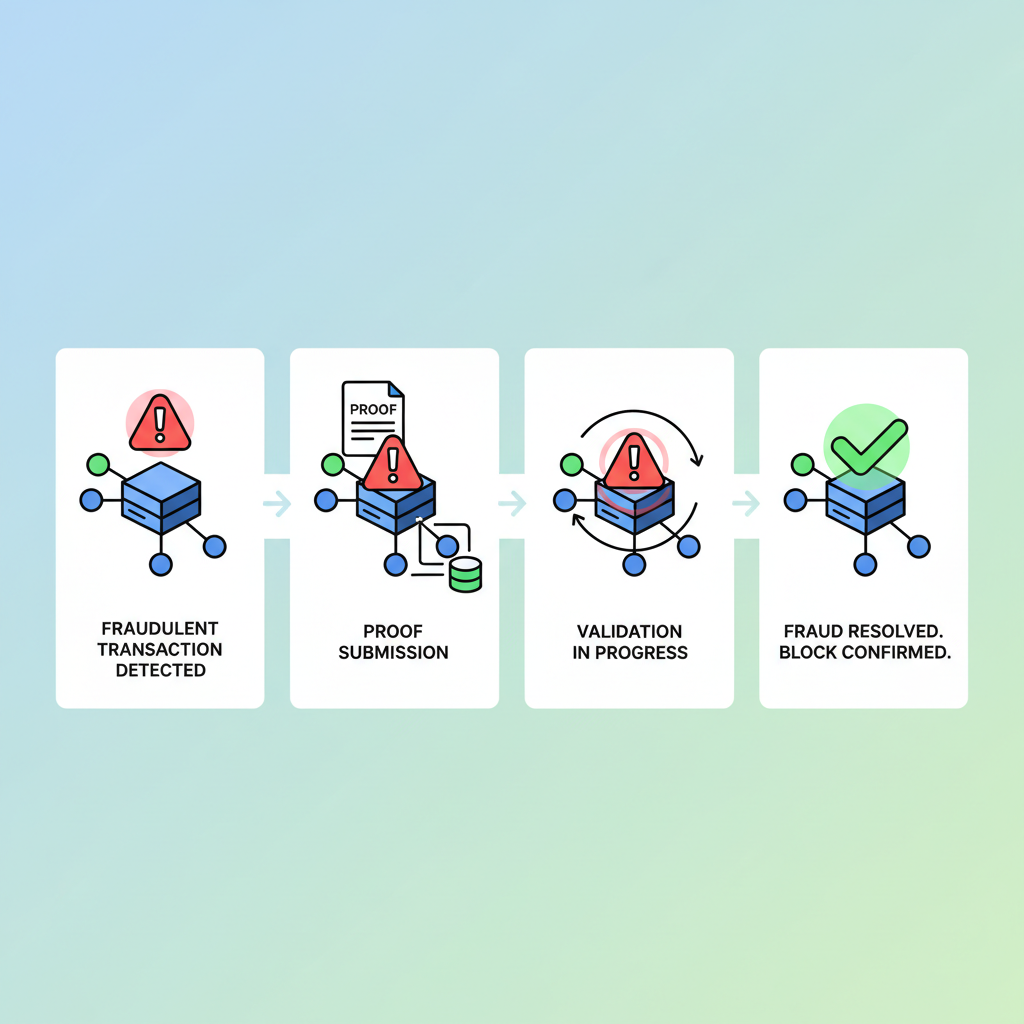
The OP Stack, Optimism's modular toolkit, underpins a new breed of rollups where optimism meets sovereignty. At its core, an Optimistic Rollup batches transactions off-chain, posting data to Ethereum for fraud-proof challenges. Sovereign variants elevate this by owning their consensus and settlement, leaning on data availability layers like Celestia for efficiency. Picture a rollup that handles DeFi trades at blistering speeds, settles natively, and resists centralized chokepoints; that's the allure of L3 appchain OP Stack setups.
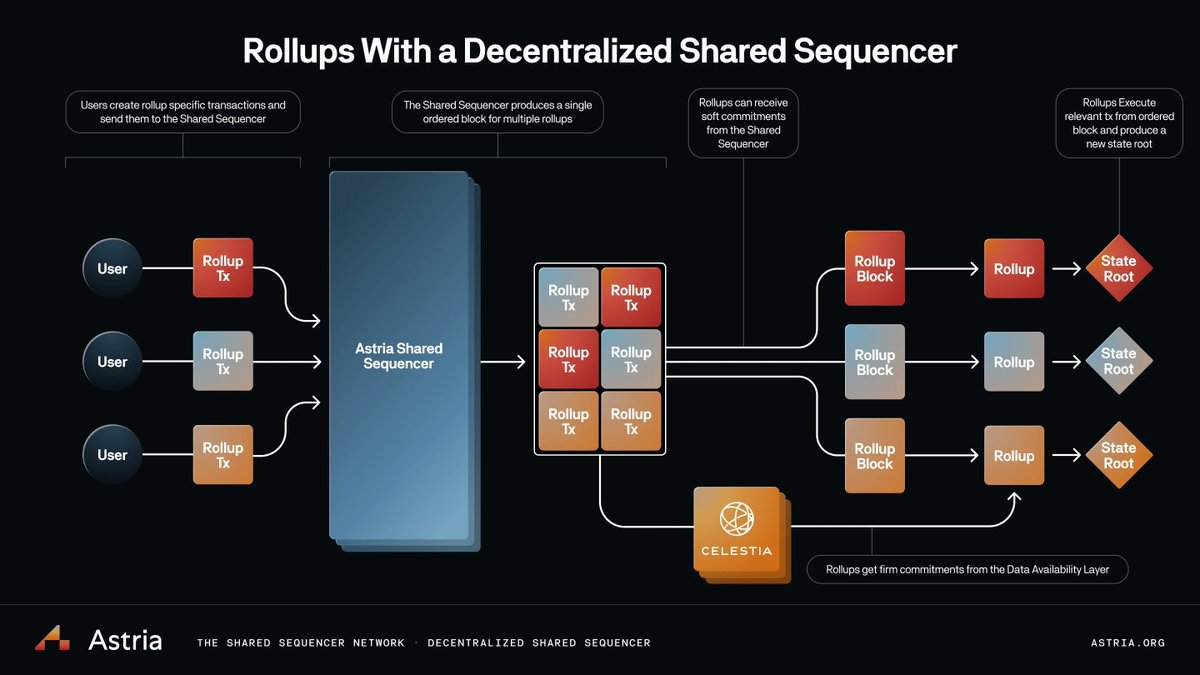
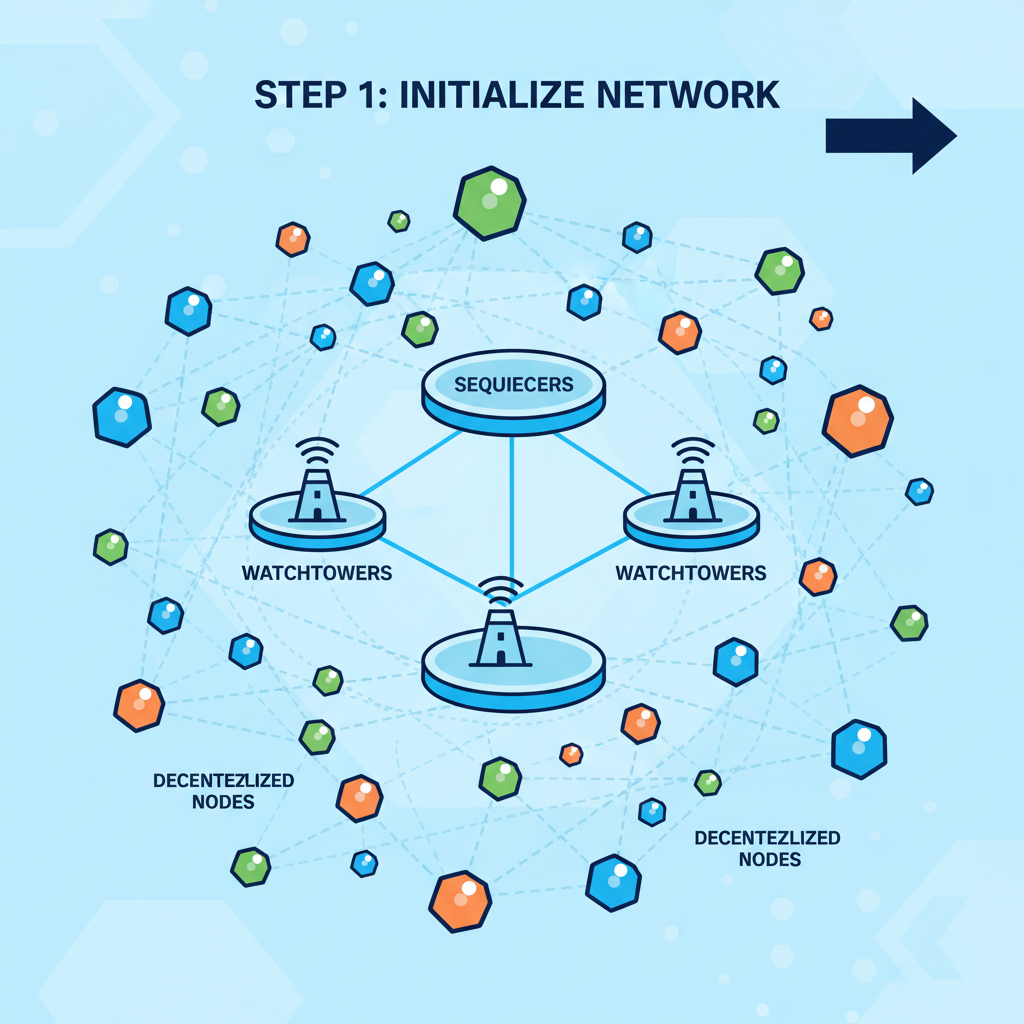
Yet, as someone who's stress-tested portfolios for banks, I caution: sovereignty amplifies control but demands rigorous sequencer decentralization and watchtower vigilance. OP Stack components - from the execution engine to the dispute game - offer hooks for customization, but missteps in configuration can expose your chain to liveness failures or economic exploits. Recent prototypes like OpEVM on Avail demonstrate shared sequencers and permissionless fault proofs, blending optimism with modular DA for resilient Optimism L3 boilerplates.
Premier Boilerplates Powering Sovereign DeFi
Diving into the ecosystem, standout OP Stack L3 boilerplate options emerge for DeFi builders. Sunrise Layer fuses DA with a liquidity hub, deploying rollups with instant block space and Proof of Liquidity incentives - ideal for DeFi apps needing deep pools from day one. Succinct Labs' OP Succinct Lite injects ZK fraud proofs, slashing dispute resolution times and capital locks, a prudent upgrade for risk-averse teams.
Key OP Stack L3 Boilerplates
- Sunrise Layer: Combines DA with liquidity hub via Proof of Liquidity (PoL) for sovereign rollups. Site
- OP Succinct Lite: Integrates ZK fraud proofs into OP Stack for efficient dispute resolution. Blog
- OpEVM: Modular rollup on Avail DA with shared sequencers and watchtowers. Forum
- Facet: Censorship-resistant Ethereum rollup without admin controls. Whitepaper

- Zeeve: One-click deployment for OP Stack sovereign rollups. Blog
OpEVM prototypes EVM-compatible sovereign rollups atop Avail, featuring decentralized sequencers that mitigate single points of failure. Facet pushes boundaries further, engineering an unstoppable Ethereum rollup free of admin kill switches or security councils - a bold stance against censorship, though it invites scrutiny on long-term governance. Zeeve's managed deployments streamline OP Stack alongside Arbitrum Orbit, accelerating time-to-market for enterprises wary of ops overhead.
These app-specific chain kits aren't one-size-fits-all; Sunrise suits liquidity-hungry DEXes, while OP Succinct Lite appeals to those prioritizing finality. In a market where ETH oscillates between $2,115.33 and $2,328.65 over 24 hours, such tools enable DeFi protocols to capture value without mainnet gas wars.
Strategic Risks in Rollup Customization
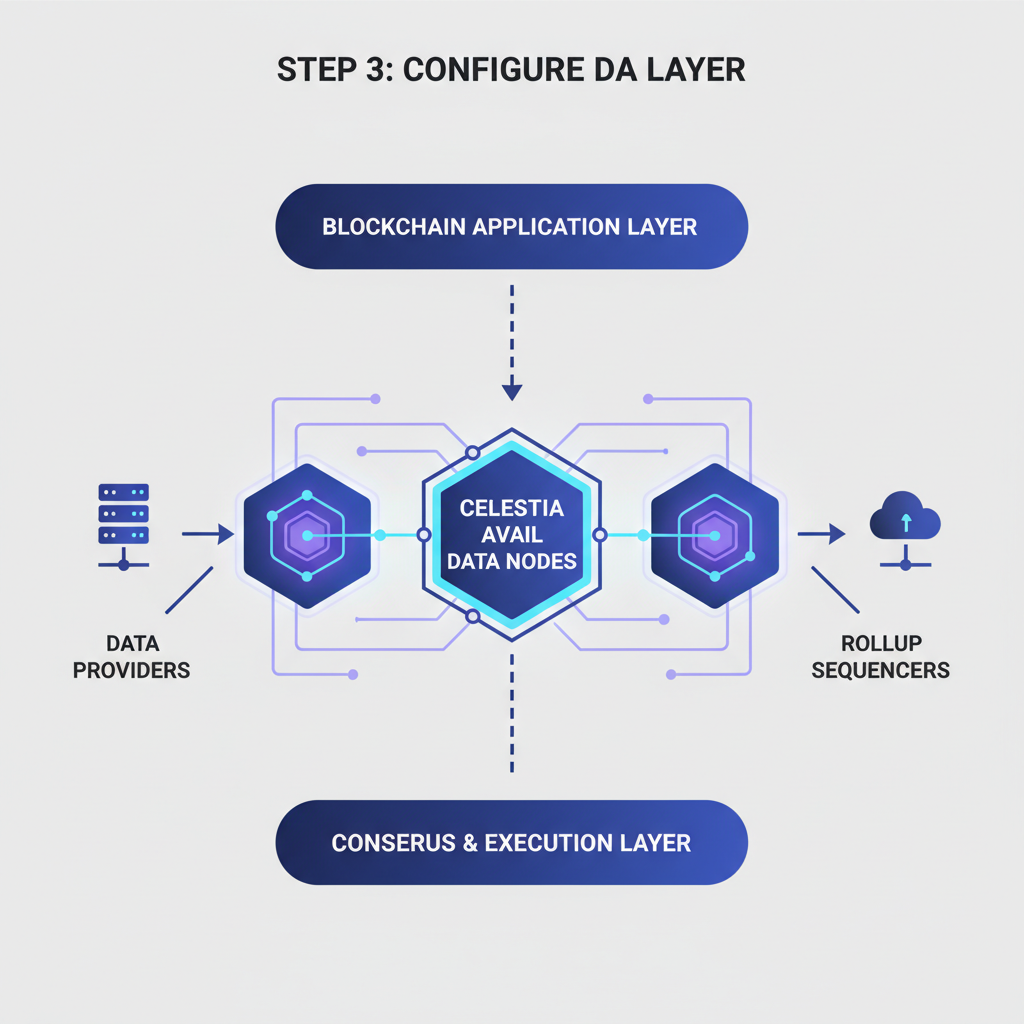
Customizing an L3 appchain OP Stack boilerplate requires a risk lens. Sovereign rollups shift execution and settlement burdens onto builders, decoupling from Ethereum's security blanket. Celestia's modular thesis shines here: DA offloads consensus, but developers must vet blobspace costs and availability sampling. Gelato's Abundance stack hints at gigagas-per-second potential via enshrined bridges, yet unproven at scale.
QuickNode's infra insights underscore Superchain interoperability, but for sovereign paths, evaluate provider uptime - Zeeve claims reliability for custom L2s/L3s. Paragraph's Base-settled L3 points chain exemplifies niche utility, trading security for sub-cent txns. My advisory: prioritize boilerplates with enshrined provability and liquidity bootstraps; untested sovereignty risks capital flight during volatility, much like forex stress tests reveal hidden correlations.
Blockworks notes sovereign rollups supercharging scaling, but my FRM lens flags the sequencer centralization trap - even OP Stack's modular dispute game falters without diverse challengers. Paragraph's low-cost L3 on Base trades Ethereum settlement for speed, a calculated risk for points farming yet precarious for high-stakes DeFi.
Hands-On Customization with OP Stack Boilerplates
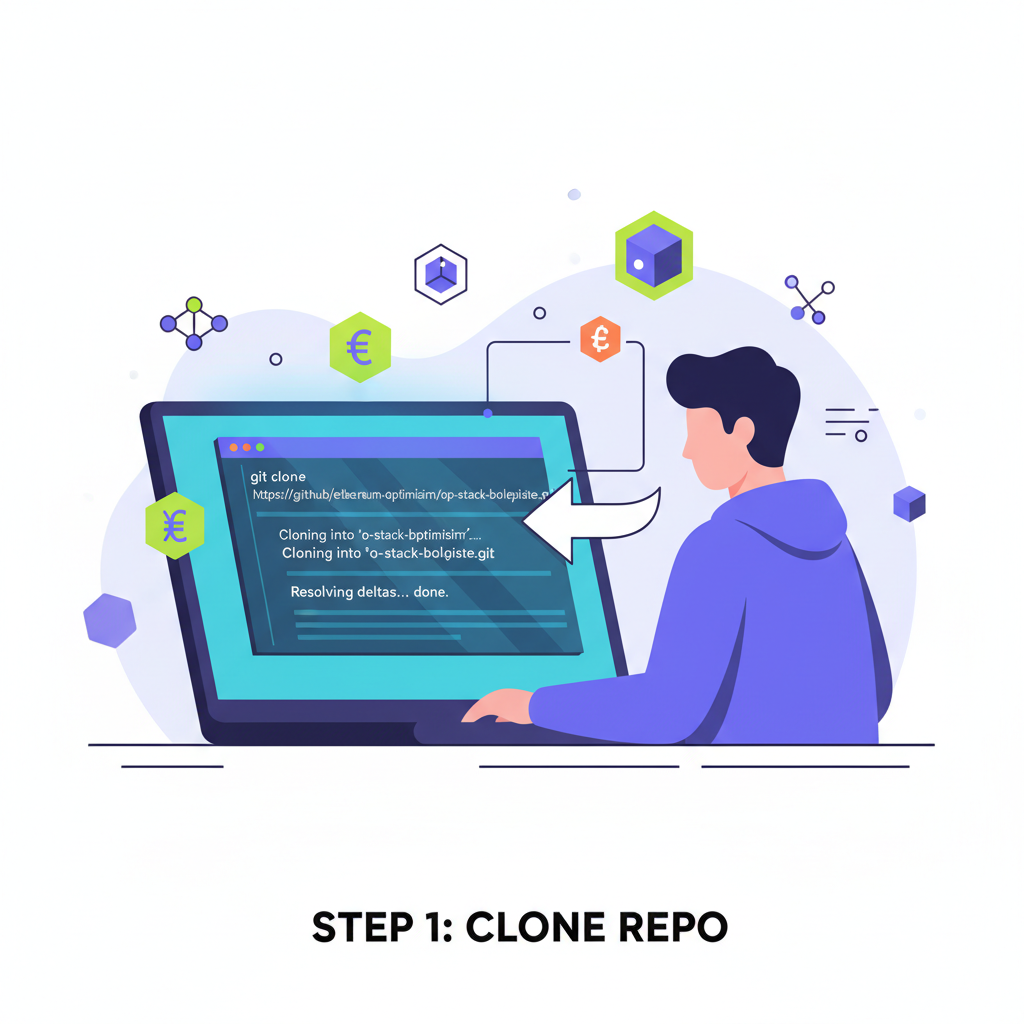
Forking an OP Stack L3 boilerplate starts with dissecting its monorepo: op-node for sequencing, op-geth for execution, and dispute contracts for fault proofs. Sunrise Layer's templates embed PoL modules, letting DeFi rollups bootstrap liquidity via staked incentives. OP Succinct Lite's ZK integration demands familiarity with Spartan proofs, trimming challenge windows from days to hours - a boon when ETH volatility spikes, as seen in its recent 24-hour range from $2,115.33 to $2,328.65.
Deploy Sovereign DeFi Rollup on OP Stack: Secure Step-by-Step Guide
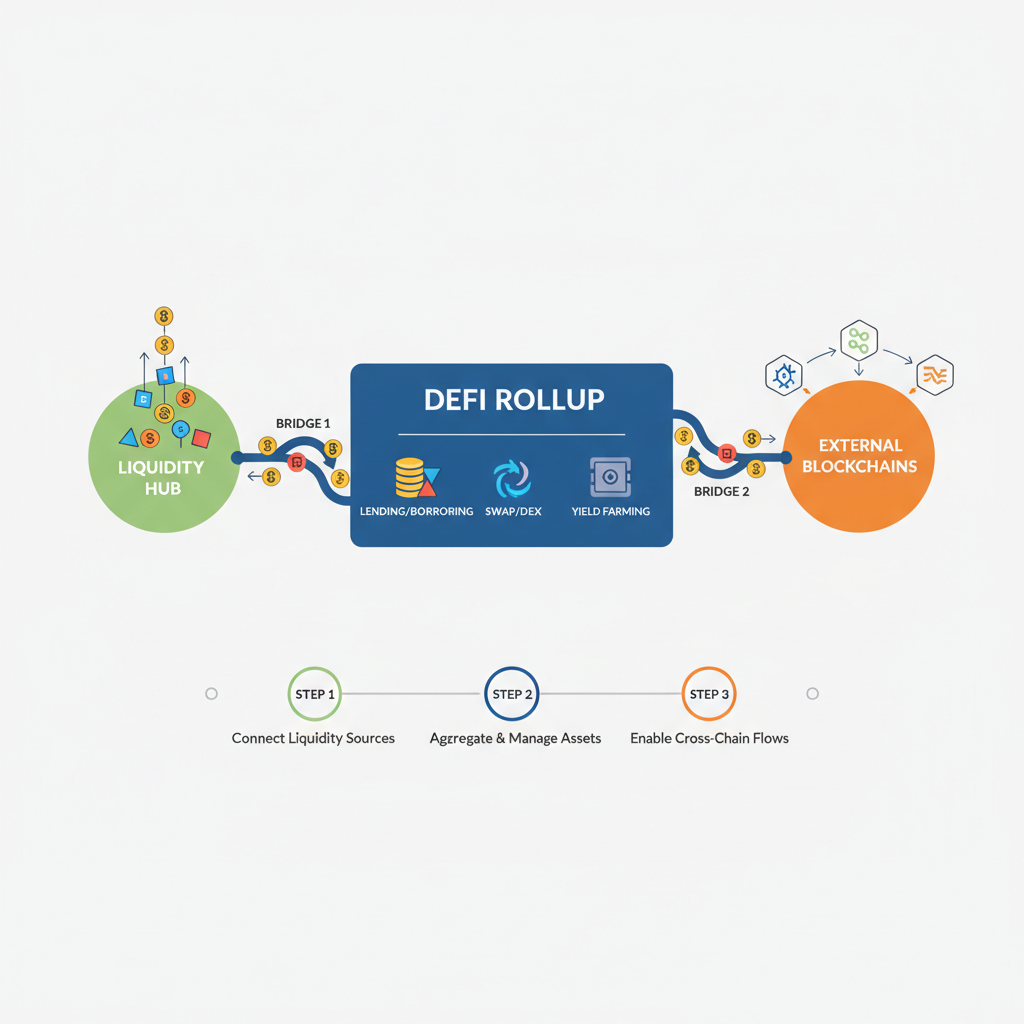

Sovereign setups shine for DeFi primitives like perpetuals or lending, where app-specific gas tokens slash costs 90% versus L2s. Yet, Zeeve's one-click ethos masks the ops grind: node collusion risks persist without permissionless fault provers. Facet's no-admin design intrigues, but lacks battle-tested TVL; builders should simulate adversarial forks first.
Code Essentials for Sovereign Rollup Resilience
Tailoring governance demands precise overrides. Consider a dispute game tweak for faster finality, mirroring Succinct's lite mode.
Sample ZK Fraud Proof Dispute Game Override
To customize the OP Stack L3 for sovereign DeFi rollups, consider overriding the default fault dispute game with ZK fraud proof integration. This sample Solidity snippet demonstrates reducing the challenge period to 1 hour (3600 seconds) while relying on a ZK verifier for security. **Advisory: This is illustrative code only. Do not deploy without comprehensive audits, testing on testnets, and verification of all dependencies.**
```
// SPDX-License-Identifier: MIT
pragma solidity ^0.8.19;

import {FaultDisputeGame} from "@optimism/contracts/src/dispute/FaultDisputeGame.sol";
import {IZKVerifier} from "./interfaces/IZKVerifier.sol";

/// @title ZKFraudProofDisputeGame
/// @notice Sample override for OP Stack dispute game using ZK fraud proofs.
/// @dev For demonstration only. Requires full security audit before any deployment.
contract ZKFraudProofDisputeGame is FaultDisputeGame {
    IZKVerifier public immutable zkVerifier;
    uint256 public constant CHALLENGE_PERIOD = 1 hours; // Reduced to 1 hour

    constructor(IZKVerifier _zkVerifier) {
        zkVerifier = _zkVerifier;
    }

    /// @notice Override to resolve dispute using ZK fraud proof instead of interactive challenge.
    function resolve(bytes calldata _zkProofData) external {
        // Verify ZK proof of fraud
        require(zkVerifier.verifyProof(_zkProofData), "ZK proof verification failed");
        // Proceed with resolution, minimizing capital lockup
        super.resolve();
    }
}
```
Deploy this override carefully within your OP Stack chain configuration. The ZK verifier contract (not shown) must be battle-tested to prevent exploits. Monitor gas costs and proof generation times, as they impact overall finality. Consult Optimism documentation and security experts for production integration.
This snippet exemplifies how Optimism L3 boilerplates expose hooks for sovereignty: override DisputeGameFactory to embed ZK verifiers, ensuring liveness amid sequencer downtime. Pair with Celestia's DA for blob-optimized calldata, and you've got a lean sovereign DeFi rollup template primed for 1 gigagas throughput, as Gelato envisions.
In practice, OpEVM's Avail integration decentralizes sequencers via rotating committees, a hedge against 51% eclipse attacks. QuickNode advises Superchain alignment for interoperability, but true sovereignty means bespoke bridges - enshrined ones, per Abundance talks, to avert liquidity silos. With Ethereum at $2,253.22, DeFi TVL hungers for these chains; a well-tuned L3 could capture alpha from yield farms immune to L1 congestion.
VaR models from my banking days translate directly: stress-test your rollup under 50% ETH drawdowns or sequencer outages. Boilerplates like Zeeve's handle infra, but custom L3 appchain OP Stack forks require Monte Carlo sims on extraction risks. Sunrise's liquidity hub mitigates this, aligning incentives via PoL slashing.
Avail's forum prototypes and Facet's whitepaper underscore a maturing field, where app-specific chain kits evolve from experiments to production. Builders prioritizing resilience will layer watchtowers atop OP Stack, monitoring for Byzantine faults. Gelato's RaaS pivot signals abundance ahead, yet conservative deployment - phased rollouts, audited modules - maximizes reward under uncertainty.
ETH's steady $-25.49 (-1.12%) dip belies L3 momentum; sovereign DeFi rollups position projects to thrive in modular futures. Stress your stack rigorously, and sovereignty becomes not just scalable, but secure.




No comments yet. Be the first to share your thoughts!