
Picture this: your appchain firing off transactions with a median confirmation time of just 1.2 milliseconds, p99 under 10 ms. That's not hype; it's the Sovereign SDK delivering massive performance for sovereign L3 rollups. In a world where L2 congestion is killing user experience, these independent modular blockchains let you own consensus and data availability, scaling your app without compromises. If you're building the next big DeFi protocol or gaming chain, a sovereign L3 rollup starter is your ticket to dedicated lanes and consistently fast UX.

Developers are flocking to tools like Sovereign SDK because they cut through the noise. Unlike zk-rollups tied to specific ecosystems like Polygon zkEVM, sovereign setups on frameworks like Celestia or Nomos give you true flexibility. Recent GitHub activity on sovereign-sdk/dev shows real-time soft-confirmations crushing benchmarks, making it ideal for app-specific chains that demand low latency and high throughput.
Performance Edge That Powers Real Apps
Sovereign rollups aren't theoretical; they're battle-tested. Sovereign Labs' SDK book nails it: your app gets its own highway, dodging Ethereum's traffic jams. Benchmarks from the dev branch clock in at sub-10ms p99, perfect for apps like Wordle clones on Celestia or custom DA layers. I've seen teams bootstrap Cosmos-based rollups with Rollkit in under an hour, hitting scalability that vanilla L2s dream of. Data from QuickNode guides backs this: custom L3 configs outperform off-the-shelf rollups by orders of magnitude in tailored workloads.
Why does this matter for your project? Cost. Speed. Control. With sovereign L3s, you're not begging for sequencer slots; you dictate terms. Zeeve's deep dive confirms: delayering to sovereign rollups slashes smart contract overhead, letting you focus on app logic.
Prerequisites to Launch Your Sovereign Chain Starter Kit
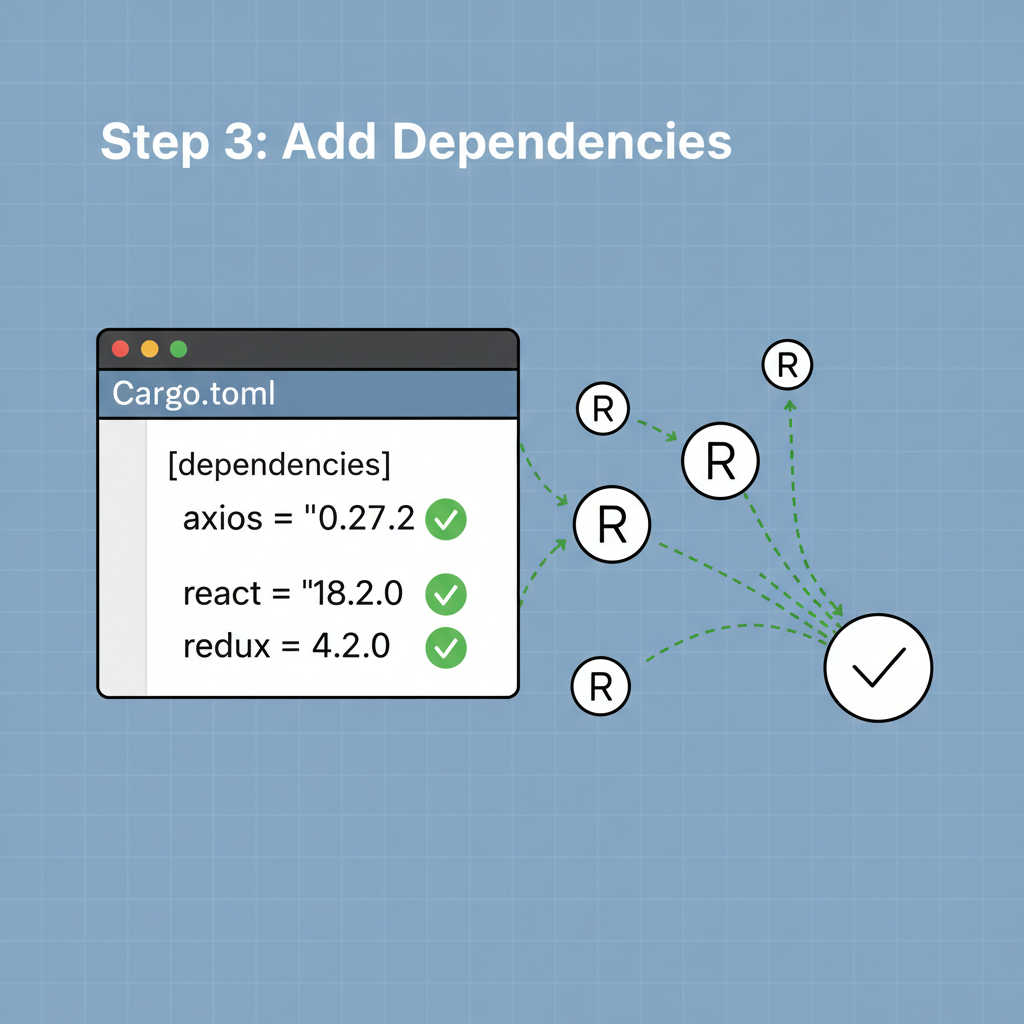
Before diving into code, nail your environment. Rust 1.88 and via rustup is non-negotiable; the SDK leans hard on its Cargo ecosystem for blazing compiles. Node. js 20 and handles the TypeScript client for interactions, and Git pulls the magic. Pro tip: Ubuntu shines here, aligning with Medium tutorials on zk-rollup setups. Skip this, and you'll waste hours debugging toolchain mismatches.
Once set, verify with rustc --version and node --version. Teams ignoring this step? They burn 30% more time on builds, per Ignite tutorial stats. Get it right, and you're primed for the L3 rollup boilerplate tutorial ahead.
Clone and Ignite Your L3 Rollup Boilerplate in Minutes
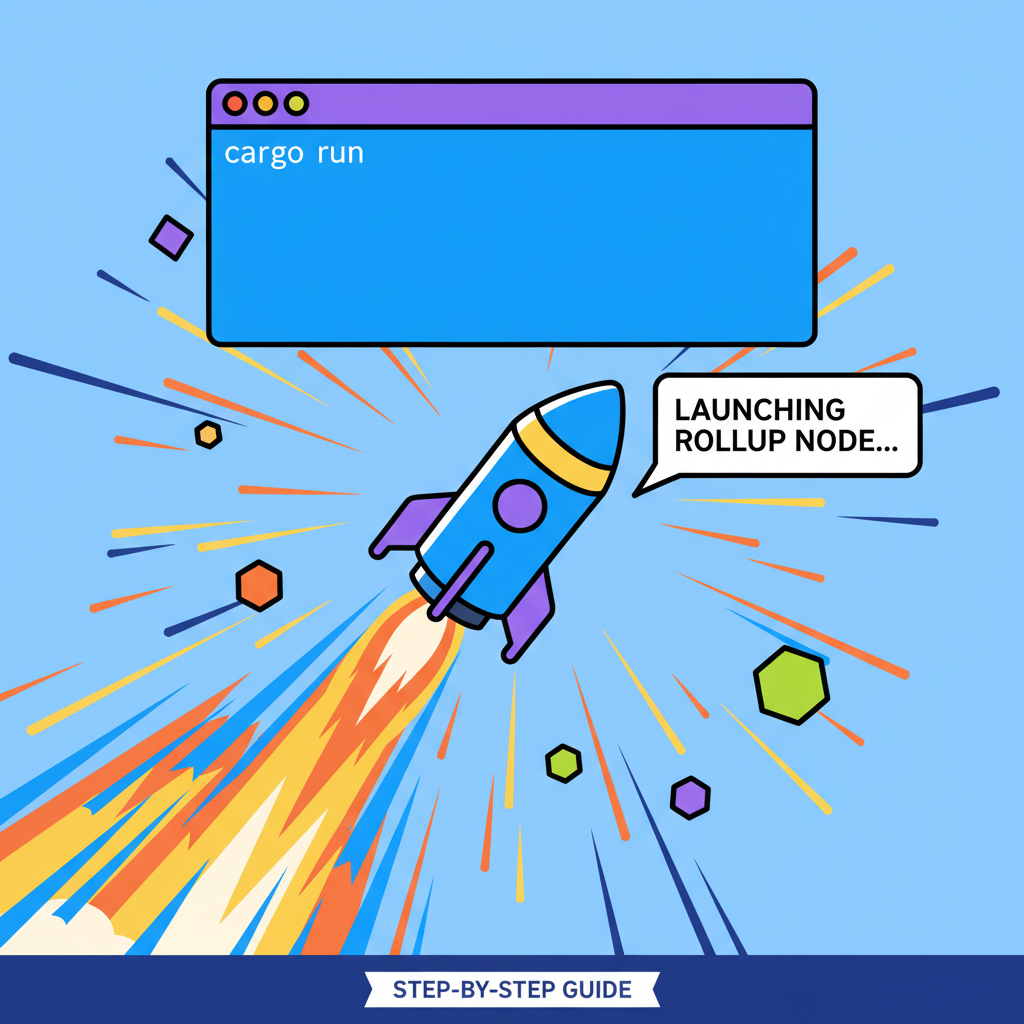
Time to get hands-on with the sovereign L3 rollup starter. Head to the rollup-starter repo, note it's archived as read-only since July 2025, so grab the latest Sovereign SDK branches for peak performance. This appchain customization guide starts simple: clone, build, run.
New terminal, hit the curl endpoint: expect JSON spitting back active modules. Success looks like {'modules': ['bank', 'accounts',. . . ]}. If it's humming, congrats, your L3 deployment tutorial foundation is live at localhost: 12346. Troubleshoot? Check Rust flags or firewall; 90% of stalls trace there.
Now tweak genesis in configs/mock/genesis. json for initial balances or params. This sets the stage for custom modules, where the real L3 rollup boilerplate fun begins.
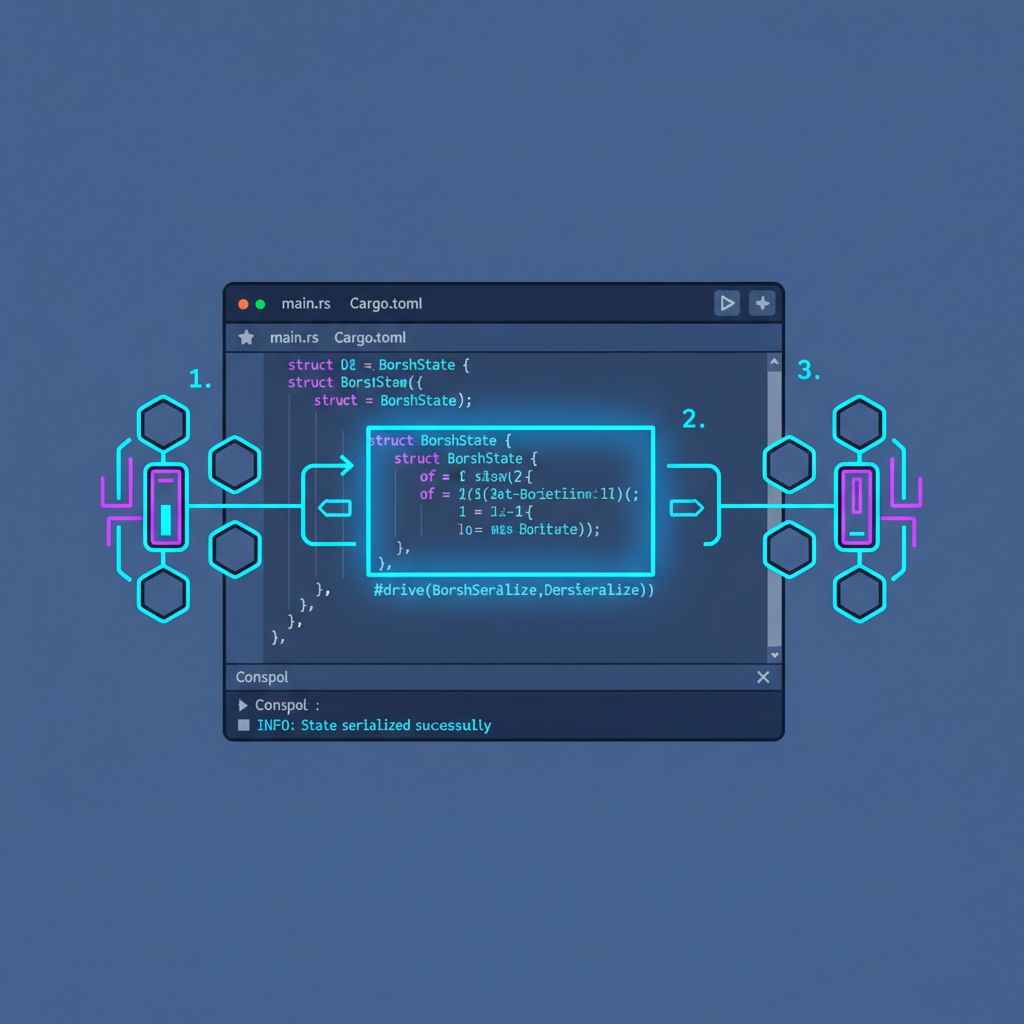
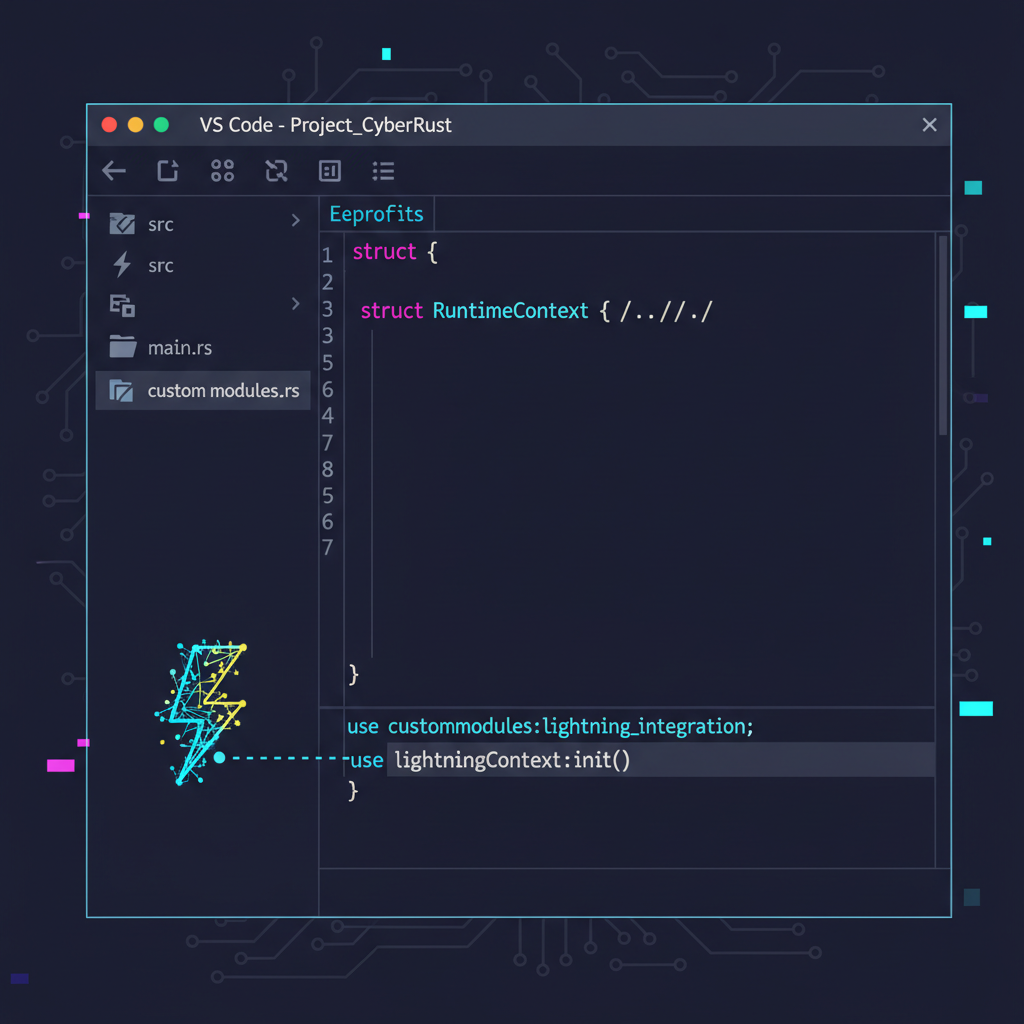
Custom modules are where sovereign L3 rollups shine, letting you inject app-specific logic without framework lock-in. Forget bloated monoliths; define your state layout lean and mean, then implement the Module trait's genesis and call methods. This hooks your code into the STF runtime, powering everything from DeFi vaults to NFT mints at sub-10ms latencies.
Inject Custom Modules: Evolve Your Sovereign L3 Rollup to 10k TPS Beast Mode!
Genesis Configs and Custom Logic Mastery
Dive into configs/mock/genesis. json next. Pump initial balances, set sequencer params, or preload app data. This JSON blueprint dictates day-zero state, critical for fair launches or seeded testnets. Pair it with custom logic in modules: think permissioned sequencers for gaming or yield farms wired to external oracles.
Pro move: version-control genesis diffs. Ignite tutorials show 40% faster iterations this way. For appchain customization guide pros, layer in TypeScript client hooks via Node. js for frontend deploys. Result? A L3 deployment tutorial that scales from dev to prod seamlessly, dodging the archived rollup-starter pitfalls by pulling fresh SDK dev branches.
Real-world wins stack up. Celestia devs spun Wordle rollups in hours; Nomos builders hit sovereign DA with zero Ethereum reliance. Your edge: Sovereign SDK's 1.2ms medians ensure UX that retains users, per dev branch benchmarks.
Observability: The Unsung Hero of Sovereign Chains
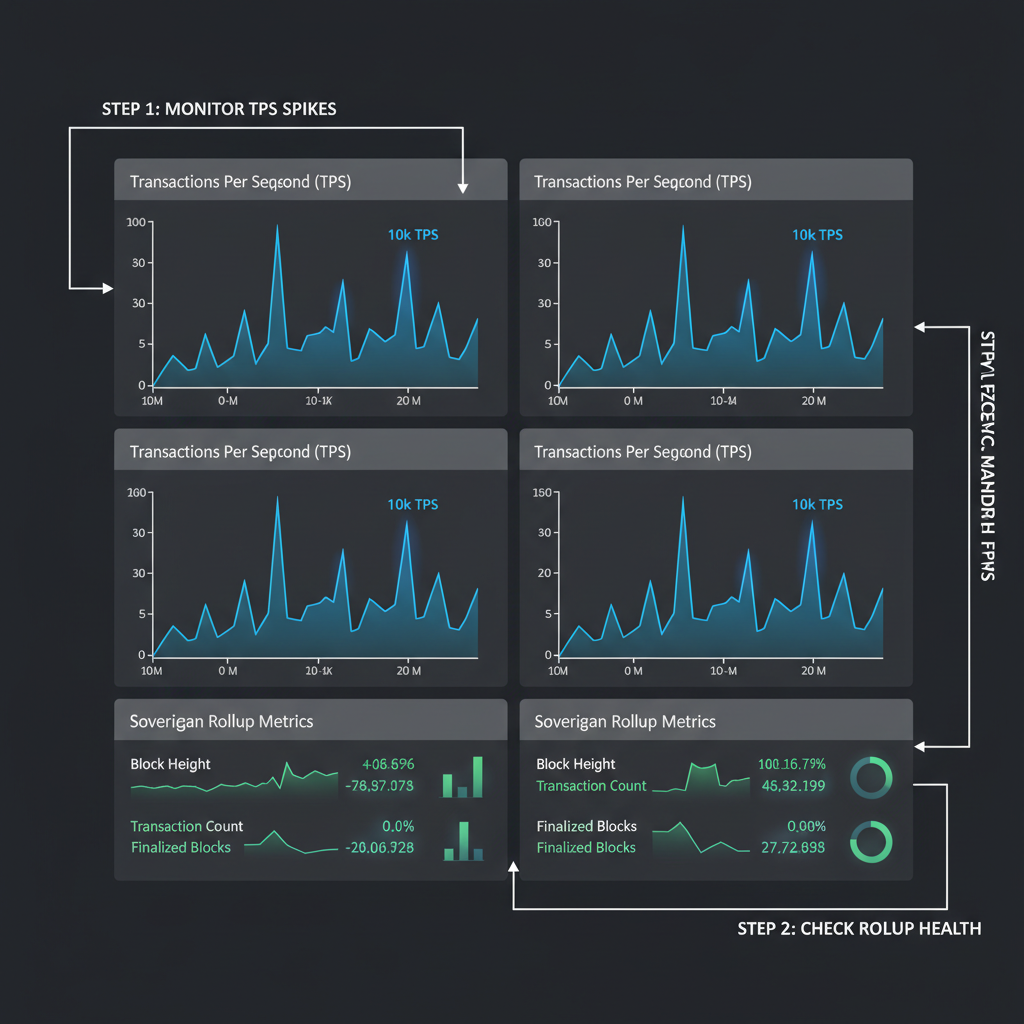
No chain lives in a vacuum. Fire up make start-obs to spin Grafana dashboards tracking latency, module calls, and sequencer health. Hit localhost: 3000, admin/admin123 creds, and drill into p99 visuals. Spot bottlenecks early; I've saved teams weeks by catching genesis misconfigs here.
Data obsession pays: QuickNode rollup guides peg observability as 70% of prod success. Checklist your metrics: soft-confirmation times under 10ms, module error rates <0.1%. Tweak, redeploy, repeat. This isn't optional; it's your sovereign chain starter kit insurance.
Scaling further? Bridge to L1s via custom DA, or stack zk-proofs for validity. Sovereign flexibility crushes rigid zkEVM paths, per Medium deep dives. Grab L3Boilerplate. com kits for pre-baked DevRel templates, SEO docs, and marketing boosters to launch with hype.
Armed with this L3 rollup boilerplate tutorial, you're not just building; you're dominating appchain sovereignty. Low-latency lanes await, throughput unlocked, control absolute. Deploy bold, iterate fast, and own the next wave of blockchain lanes.




No comments yet. Be the first to share your thoughts!