
In the ever-evolving blockchain landscape, developers are increasingly turning to L3 appchain boilerplates to deploy sovereign rollups with unprecedented speed and customization. These templates strip away the boilerplate code drudgery, allowing teams to focus on what matters: crafting app-specific chains that scale seamlessly atop L2 foundations. As Layer 3 solutions mature, they promise not just efficiency, but true sovereignty for dApps hungry for tailored blockspace.
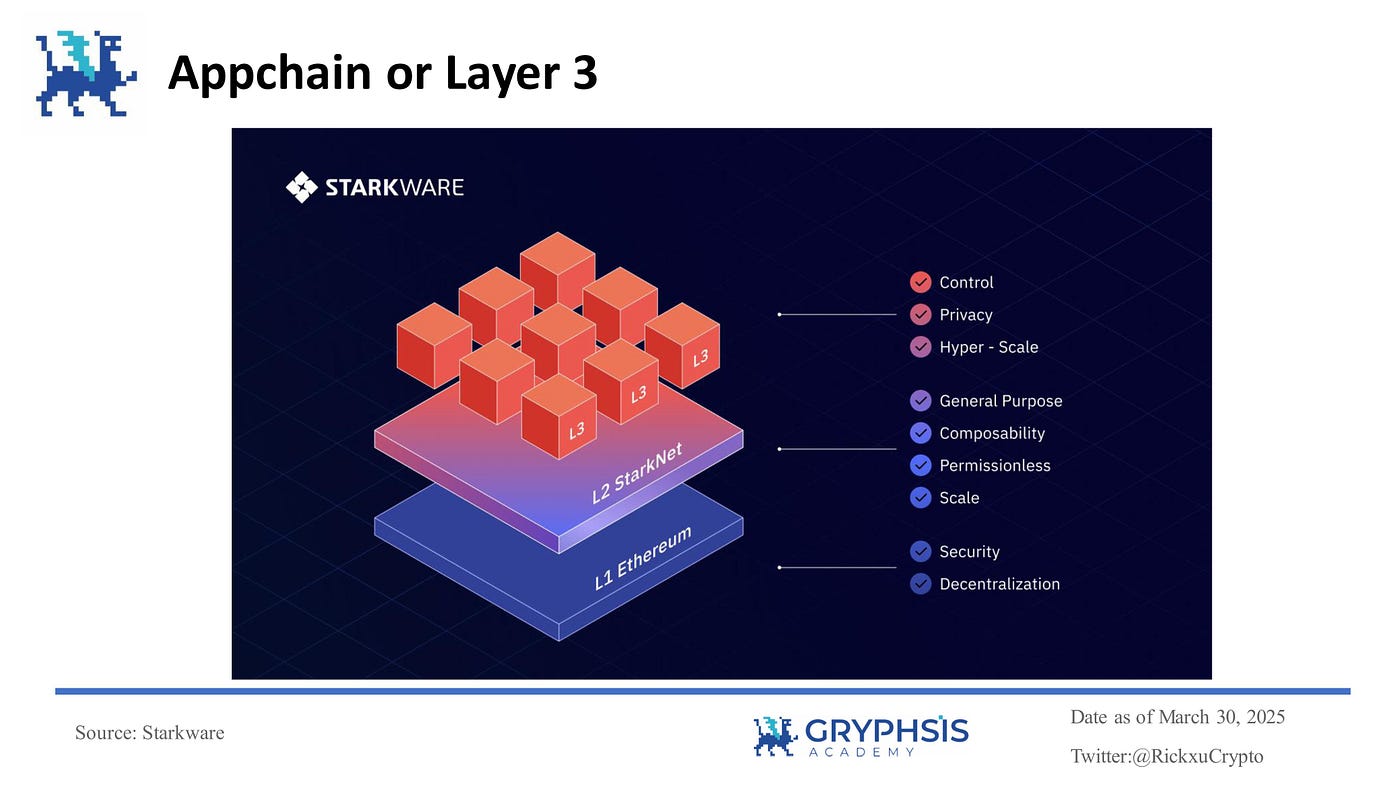
Sovereign rollups represent a pivotal shift. Unlike generalized layers, these chains dedicate resources to singular applications, inheriting security from Ethereum while granting full control over consensus, VMs, and data availability. Recent advancements, like Rollkit's framework, enable swift launches by decoupling choices across the stack. This modularity aligns perfectly with macro cycles in appchain ecosystems, where undervalued L3 projects compound value over time.
Navigating the L3 Boilerplate Landscape
The proliferation of sovereign rollup templates stems from frameworks like Arbitrum Orbit and OP Stack, which empower L3 deployments with optimistic rollup mechanics. Matter Labs' ZK Stack adds zero-knowledge proofs for privacy-focused chains, while Polygon's CDK integrates AggLayer for liquidity unity. Zeeve's RaaS platform ties it all together, supporting stacks from zkSync to Polygon for production-ready appchains.
Spire Labs stands out with its fractal scaling approach, building zkEVM L3s that interoperate natively. Rollkit, meanwhile, abstracts sovereignty into a plug-and-play model, letting builders mix DA layers like Celestia with custom sequencers. These tools democratize L3 development, reducing deployment from months to days.
Strategic Advantages of Appchain DevRel Kits
Beyond code, appchain DevRel kits bundle marketing templates and SEO-optimized docs, accelerating go-to-market. Imagine launching an L3 sovereign chain starter with pre-built bridges, governance modules, and analytics dashboards. Base Appchains exemplify this, offering near-instant Base integration for independent scaling.
| Framework | Key Features | Deployment Type | Ideal For |
|---|---|---|---|
| Spire Labs | Modular zkEVM L3s, RaaS | L3 on L2 | Interoperable appchains |
| Rollkit | Flexible DA/VM/Sequencer | Sovereign rollups | Custom sovereignty |
| Zeeve | Multi-stack support (Orbit, OP, CDK) | L2/L3 Appchains | Enterprise rollups |
| Arbitrum Orbit | Custom optimistic chains | L2/L3 | Flexible rollups |
| ZK Stack | ZK rollups, non-EVM | Custom ZK chains | Privacy apps |
This comparison underscores a strategic truth: no one-size-fits-all. For high-throughput gaming dApps, Polygon CDK's Validium mode shines; DeFi protocols might favor ZK Stack's validity proofs. Developers must zoom out, assessing total value locked potential against customization depth.
Building Momentum with L3 Sovereign Chain Starters
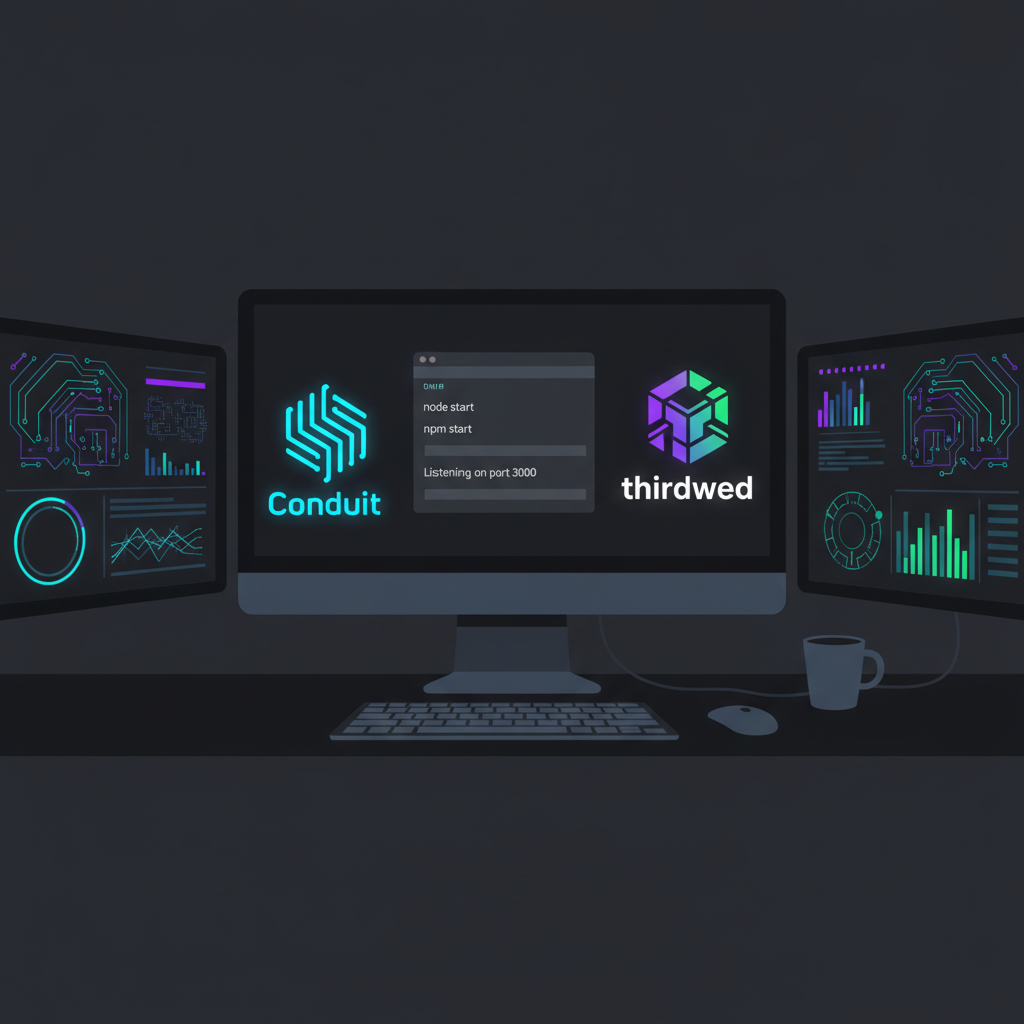
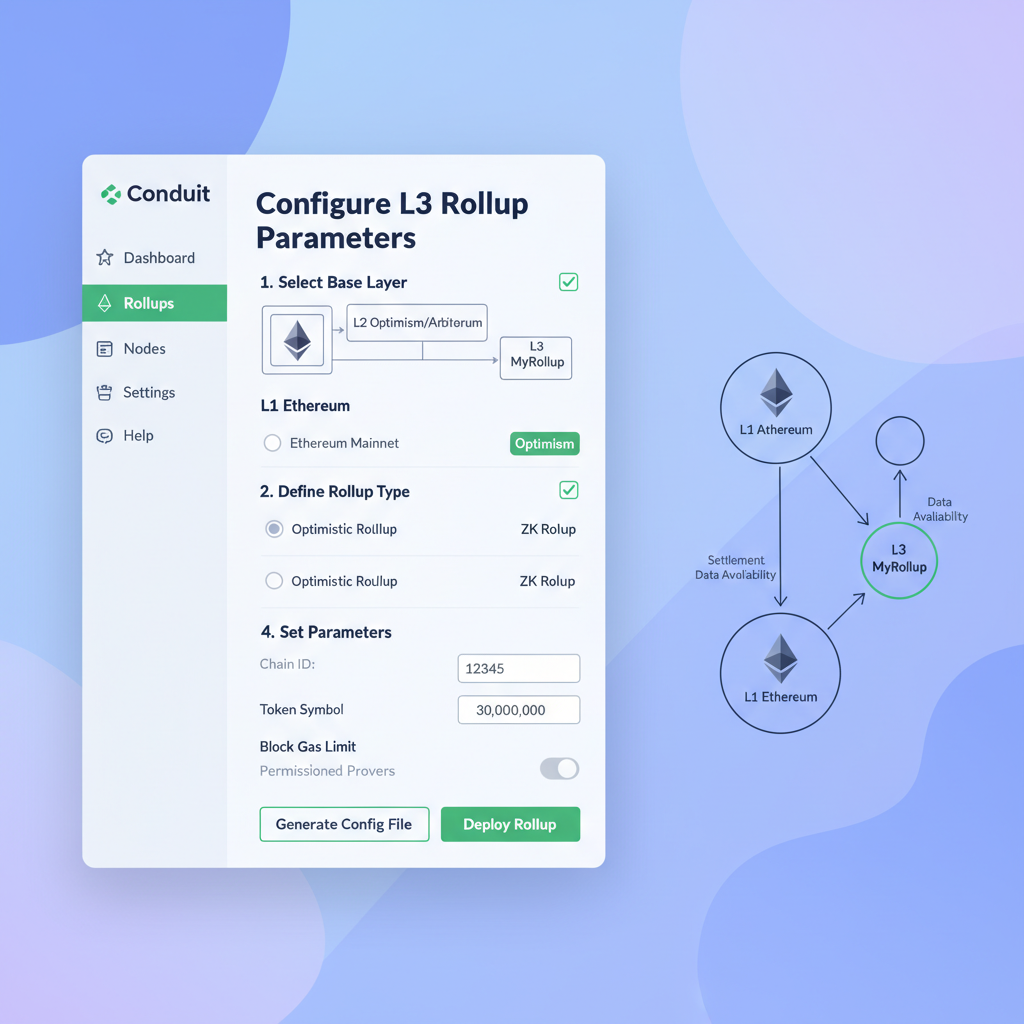
L3 app-specific rollup boilerplates lower barriers, yet demand thoughtful architecture. Conduit's tooling, paired with thirdweb contracts, simplifies L3 rollup spins. Cosmos SDK influences persist, powering fully sovereign stacks. As ecosystems fractalize, early adopters of these templates position for outsized returns in the appchain supercycle.
Strategic deployment begins with selecting the right L3 appchain boilerplate. Frameworks like Conduit streamline the process, enabling developers to spin up rollups with minimal friction. Pair this with thirdweb's smart contract deployment, and you've got a pipeline for rapid iteration. Yet, success hinges on aligning stack choices with application demands; a mismatched VM can bottleneck even the most sovereign design.
Deploy L3 Rollups Strategically: Conduit + thirdweb for Sovereign Appchains
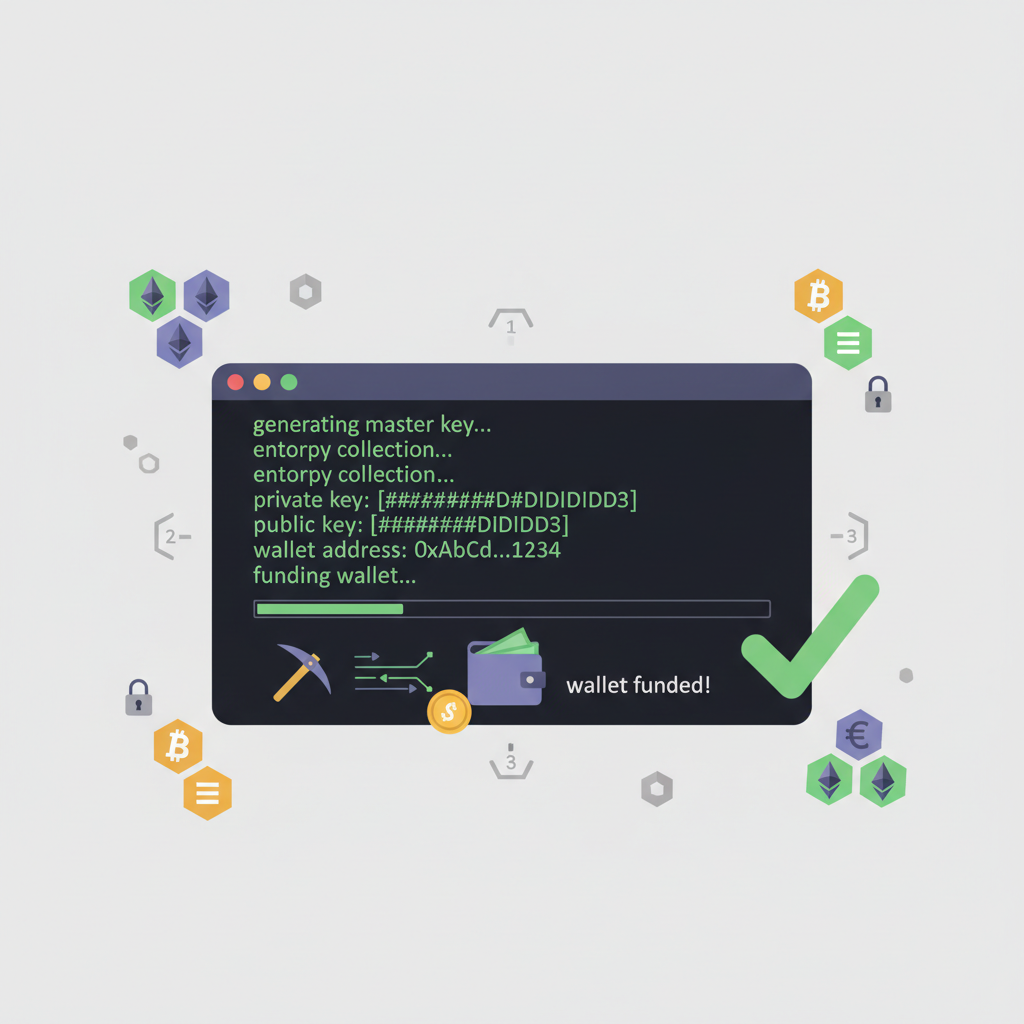
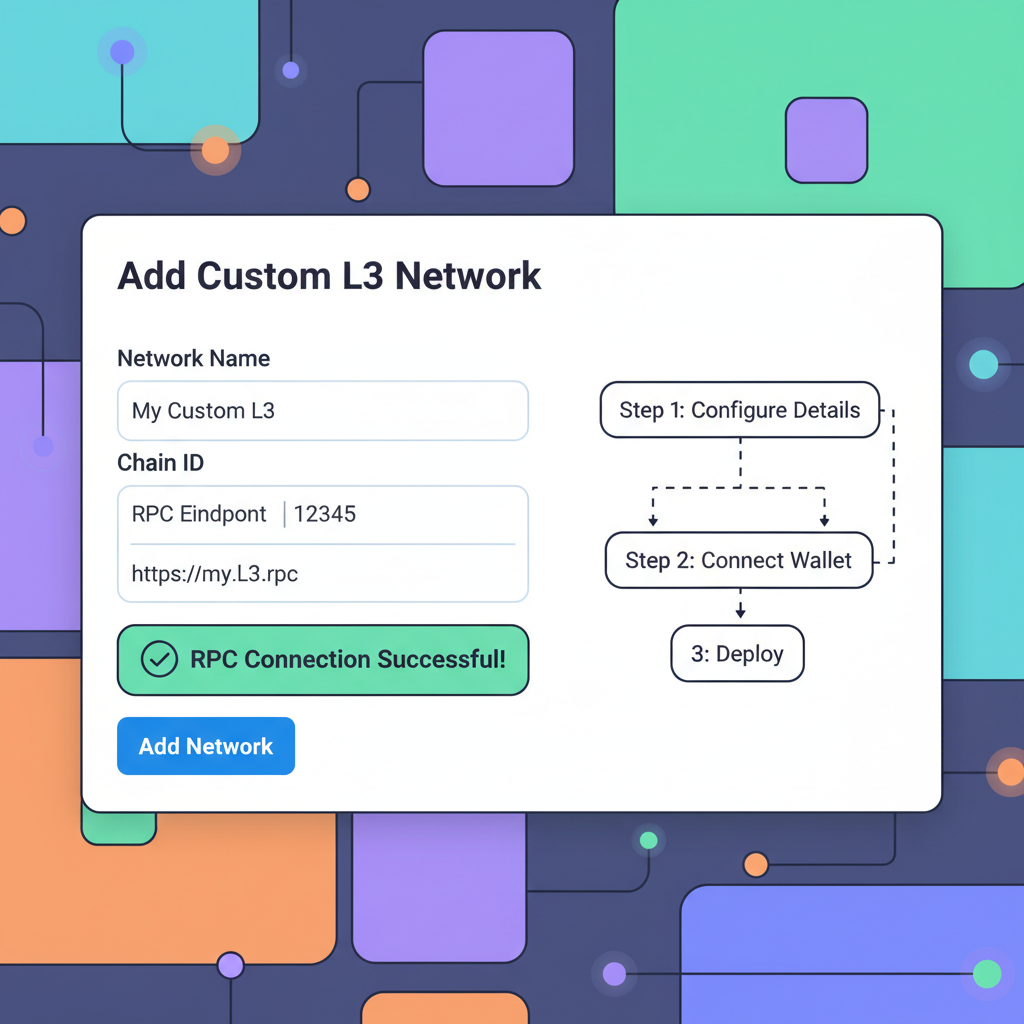
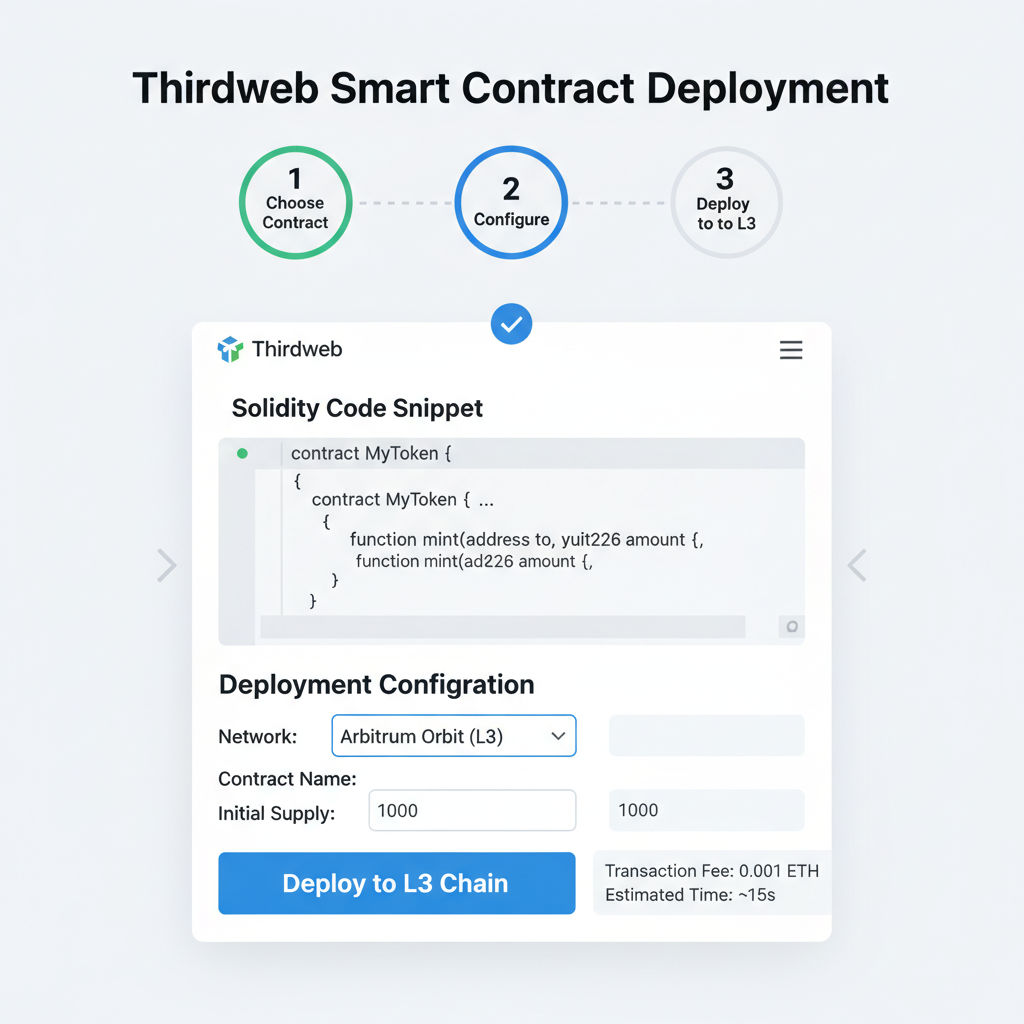
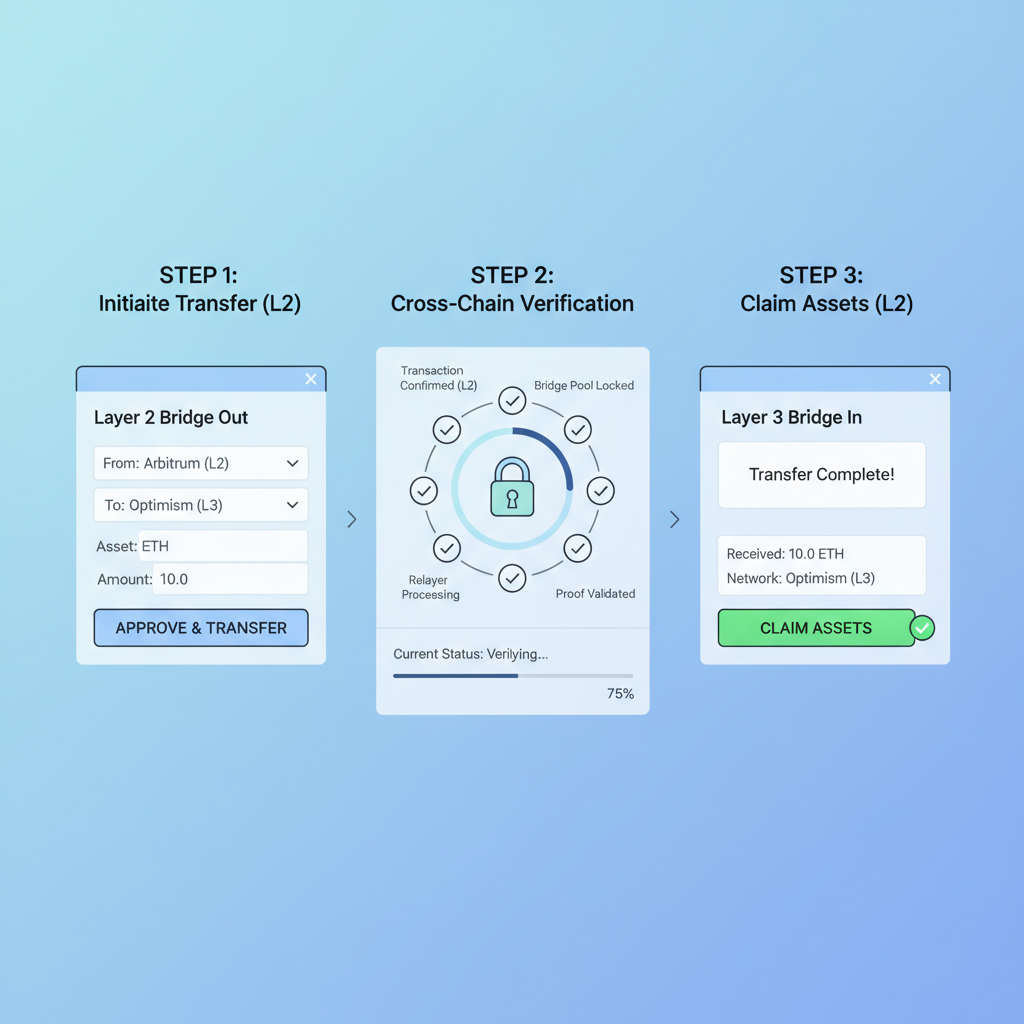
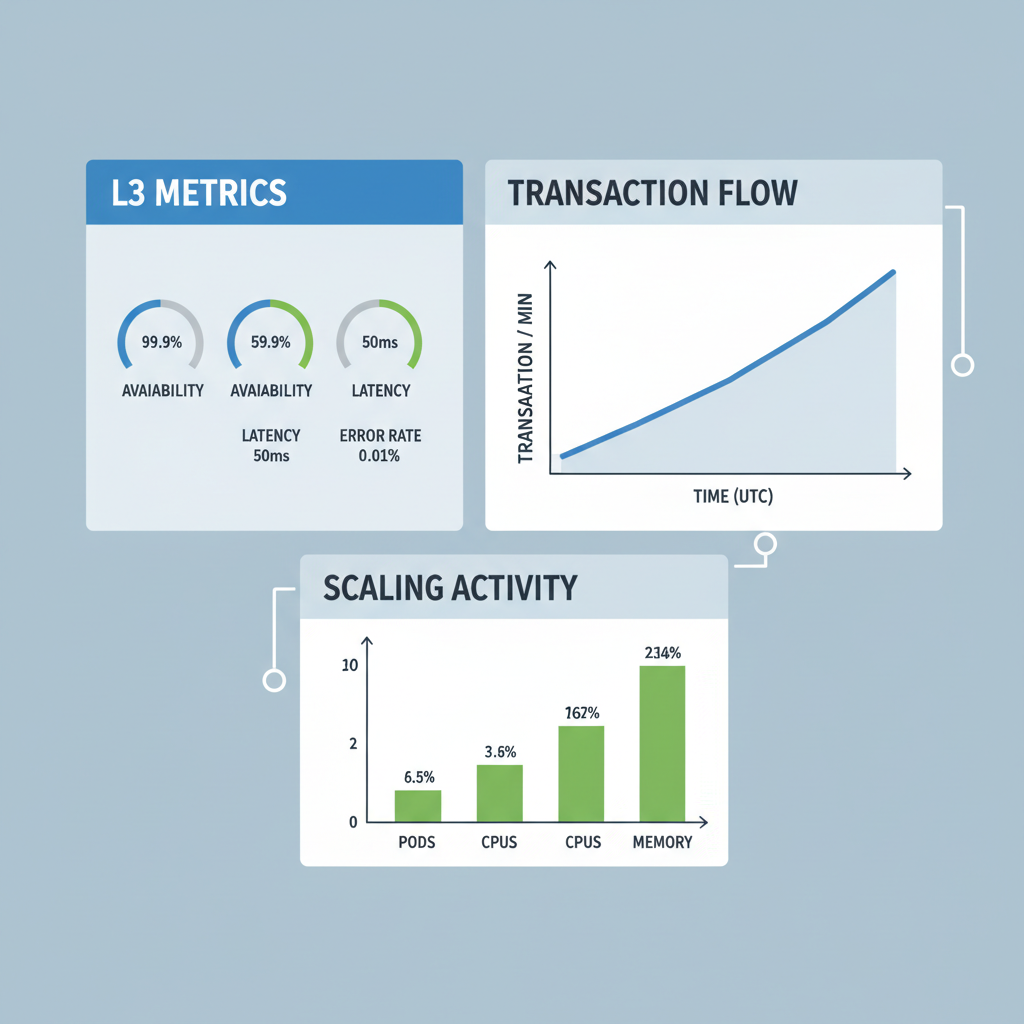
Consider the sovereignty spectrum. Rollkit's agnostic approach lets you swap Celestia for Ethereum DA, fostering experimentation without lock-in. This flexibility echoes Cosmos SDK's ethos, where appchains thrive through full-stack ownership. In my view, as a long-term observer of macro cycles, these tools signal the maturation of L3 ecosystems. Projects launching now on undervalued templates will capture compounding network effects as adoption scales.
Deployment Strategies for Sovereign Rollups
Launching an app-specific rollup boilerplate demands a phased approach. First, prototype on testnets like Spire's public release to validate interoperability. Zeeve's platform excels here, offering managed nodes across OP Stack, Arbitrum Orbit, and beyond. Integrate Base Appchains for seamless L1 bridging if your dApp eyes consumer markets. Opinionated choice: prioritize ZK proofs early via ZK Stack or Polygon CDK, as validity trumps availability in high-stakes DeFi or gaming.
Pros and Cons of Major L3 Appchain Frameworks 📊
| Framework | ✅ Pros | ❌ Cons |
|---|---|---|
| Rollkit | • Sovereign rollups launched swiftly 🚀 • Flexible DA layers, VMs, sequencing • High customization for apps | • Requires dev expertise for choices 🔧 • Less ecosystem maturity vs L2 stacks |
| Spire (Spire Labs) | • Modular L3 on zkEVM L2s • Fractal Ethereum scaling • Interoperable appchains + RaaS 🌐 | • Emerging (testnet phase as of 2024) ⏳ • Limited production adoption yet |
| Arbitrum Orbit | • Custom optimistic rollups • Flexible L2/L3 deployment • Inherits Arbitrum security 🔒 | • 7-day challenge window • Optimistic fraud proofs only |
| OP Stack | • Open-source & modular • Customizable optimistic chains • Proven L2 success (e.g., Base) 🛠️ | • Withdrawal delays • Dependent on Ethereum sequencing |
| ZK Stack (Matter Labs) | • ZK proofs for fast finality ⚡ • Supports non-EVM rollups • Multiple DA options | • Higher ZK proof computation costs • Steeper learning curve for ZK |
| Polygon CDK | • ZK rollups & Validiums • AggLayer for liquidity/unified interoperability 💧 • Rapid chain launches | • Ecosystem-centric (Polygon ties) • Validium tradeoffs (DA off-chain) |
The table highlights trade-offs that shape strategic decisions. Enterprise teams lean toward Zeeve's multi-stack reliability; indie builders favor Rollkit's sovereignty. Regardless, embed governance from day one; modular DA ensures future-proofing against Ethereum upgrades.

Real-world momentum builds through community wins. Videos and threads like these demystify the stack, proving sovereign rollups aren't theoretical. Base Engineering's appchains demonstrate independent scaling with instant bridges, a blueprint for L3s atop any L2. As fractal scaling takes hold, expect AggLayer to unify liquidity, turning siloed chains into interconnected hubs.
DevRel Excellence with L3 Boilerplates
Code alone doesn't launch chains; appchain DevRel kits bridge the gap. L3Boilerplate. com delivers precisely this: premium templates bundled with marketing collateral, SEO docs frameworks, and governance starters. Customize a sovereign rollup template, deploy via Orbit or CDK, then activate pre-optimized landing pages and analytics. This holistic kit shaves months off go-to-market, vital in cycles where first-mover liquidity wins.
Zoom out: L3 sovereign chain starters aren't fads; they're infrastructure for the appchain era. Spire's RaaS model, Rollkit's modularity, and Zeeve's enterprise polish form a robust toolkit. Developers wielding these gain sovereignty without sacrificing Ethereum security. Early positioning yields asymmetric upside, as TVL flows to customized blockspace.
Picture a gaming dApp on Polygon CDK Validium: sub-second finality, sovereign sequencing, AggLayer liquidity. Or a privacy protocol via ZK Stack non-EVM: proofs cascade efficiently atop zkSync L2s. These aren't hypotheticals; boilerplates make them routine. My 18 years tracking macro cycles affirm: buy-and-hold the builders. Invest time in L3 appchain boilerplates today; wealth compounds slowly, but surely, as ecosystems fractalize into abundance.




No comments yet. Be the first to share your thoughts!