
In the high-stakes arena of blockchain development, where sovereign rollups and app-specific chains define competitive edges, time is the ultimate currency. Developers racing to launch Layer 3 (L3) appchains need more than raw code; they require battle-tested L3 appchain boilerplates that deliver sovereignty without the grind of building from scratch. These customizable templates slash deployment timelines from months to mere days, embedding scalability, interoperability, and security from the outset.
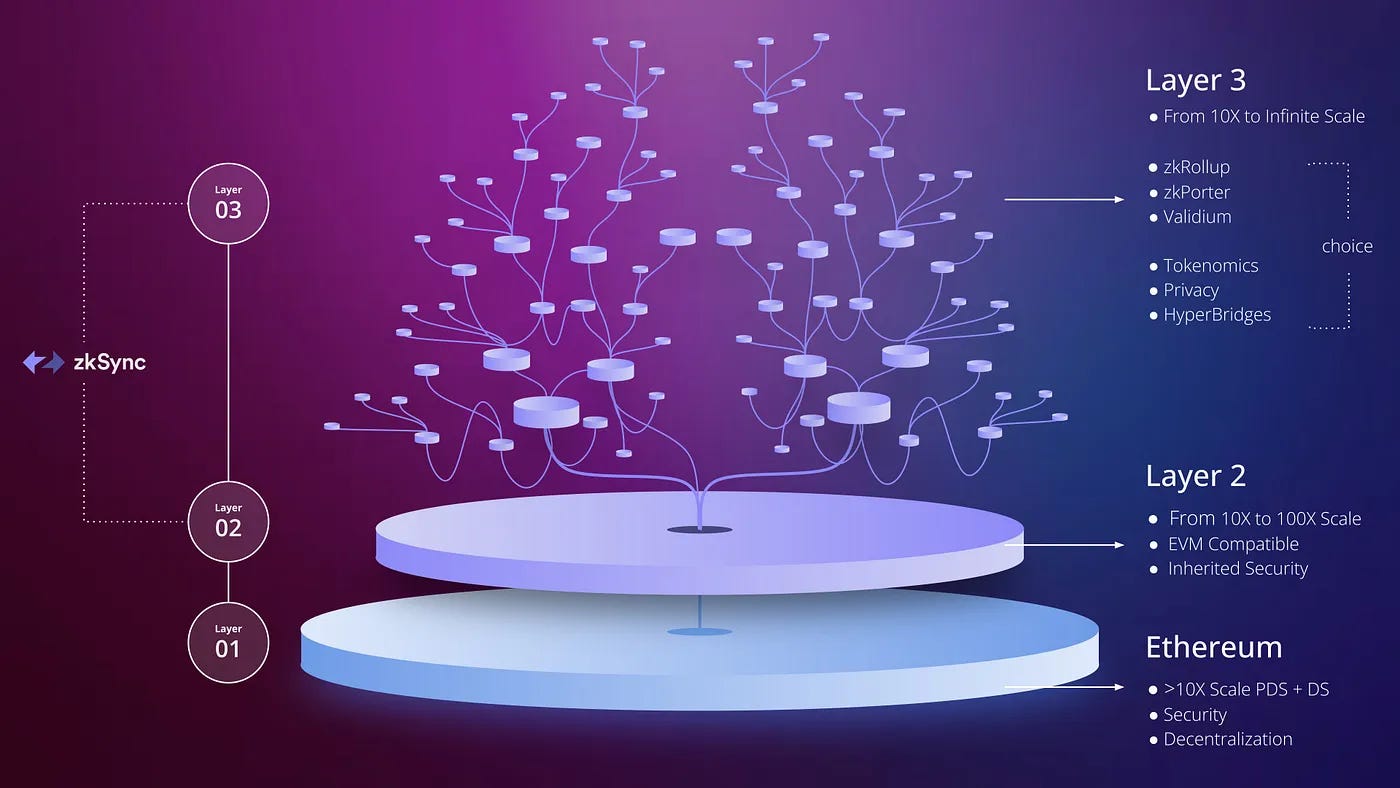
Sovereign rollups represent the pinnacle of chain customization, untethered from rigid L2 ecosystems yet leveraging their proven infrastructure. For app-specific chains, L3 boilerplates like those from Rollkit or Spire enable precise tailoring: swap data availability providers, tweak virtual machines, or redefine sequencing logic. This tactical flexibility empowers teams to isolate workloads, optimize gas economics, and capture niche markets before competitors solidify.
Rollkit: Sovereignty in Seconds for Any State Machine
Rollkit stands out as the minimalist powerhouse among sovereign rollups templates. Its framework abstracts the complexities of rollup deployment, letting developers spin up chains via the Application Blockchain Interface (ABCI and and ). Compatible with Cosmos SDK, it supports diverse state machines, from EVM variants to bespoke logic. Deploy a fully sovereign rollup in seconds, then layer on Celestia for data availability or experiment with validity proofs. For teams prioritizing speed over hand-holding, Rollkit's one-click sovereignty is a tactical masterstroke, sidestepping vendor lock-in while inheriting Ethereum-grade composability.
Spire and zkEVM Fractals: Scaling Ethereum Natively
Spire takes a fractal approach, stacking modular L3 networks atop zkEVM L2s for seamless Ethereum scaling. Developers gain appchain L3s that interoperate effortlessly, tapping L2 smart contracts and EVM network effects. This app-specific chain kit shines for projects needing horizontal scalability; isolate high-throughput apps without fragmenting liquidity. Customize settlement layers or sequencing, all while preserving that familiar Ethereum developer experience. In a world of zk-rollup proliferation, Spire positions your chain as a scalable extension, not an outlier.
Transitioning to optimistic stacks, OP Stack and Arbitrum Orbit offer enterprise-grade modularity. OP Stack, from OP Labs, dissects rollup functions into interchangeable modules: execution, sequencing, settlement. Define custom gas tokens, govern independently, or align with Optimism's Superchain. It's sovereign by design, perfect for L3 boilerplate deploy scenarios where flexibility trumps centralization.
Optimistic Powerhouses: OP Stack and Arbitrum Orbit
Arbitrum Orbit elevates this further, permitting L3s that settle on Arbitrum One or Nova, with DA options spanning Ethereum, AnyTrust, or Celestia. Maximum flexibility defines it; launch as L2 or L3, Ethereum-compatible out of the box. For tactical deployments, Orbit's nitro tech ensures low-latency execution, ideal for gaming or DeFi appchains demanding sub-second finality.
ZK Stack from Matter Labs counters with zero-knowledge rigor, fueling a Hyperchain ecosystem of interoperable sovereign chains. Deploy L3s atop zkSync, craft non-EVM environments, and generate Ethereum-settled proofs. Polygon CDK mirrors this ZK prowess, generalizing zkEVM into sovereign configurations like Validiums. These kits demand more upfront engineering but yield unmatched security for high-value apps.
RaaS platforms like Zeeve, Caldera, Conduit, and AltLayer democratize access. Zeeve's end-to-end stack supports Arbitrum Orbit, zkSync, OP Stack; add staking and nodes without ops headaches. Caldera bundles Nitro, OP, CDK with decentralized sequencing and alt-DA, slashing fees strategically.
Conduit streamlines OP Stack and Arbitrum Nitro deployments to minutes, no code required, with full mainnet readiness. AltLayer adds restaking and multi-VM support, letting developers mix optimistic and ZK stacks for hybrid sovereignty. These RaaS options shift the paradigm from infrastructure drudgery to strategic focus, where custom L3 chain starter kits handle the heavy lifting.
Tactical Selection: Matching Boilerplates to Appchain Ambitions
Choosing among these L3 appchain boilerplates demands precision. Sovereign purists gravitate to Rollkit for its ABCI and and agnosticism, ideal for non-EVM experiments. zkEVM loyalists favor Spire or ZK Stack, stacking L3s atop zkSync for proof-secured isolation. Enterprise teams lean on Arbitrum Orbit or Polygon CDK, balancing customization with battle-tested nitro stacks and Ethereum settlement.
Comparison of Top L3 Appchain Boilerplates
| Framework | Core Stack (Optimistic/ZK/Modular) | DA Options (Ethereum/Celestia/AnyTrust) | Deployment Time (seconds/minutes/days) | Sovereignty (Full/High/Medium) | Best For (Apps/Games/DeFi) |
|---|---|---|---|---|---|
| Rollkit | Modular | Celestia/Any | seconds | Full | Apps |
| Spire | ZK | Ethereum | minutes | High | Apps/Games |
| Zeeve | Modular | Ethereum/Celestia/AnyTrust | days | Medium | DeFi |
| OP Stack | Optimistic | Ethereum/Any | days | High | DeFi |
| Arbitrum Orbit | Optimistic | Ethereum/Celestia/AnyTrust | minutes | High | Apps |
| ZK Stack | ZK | Ethereum | days | Full | Apps |
| Polygon CDK | ZK | Ethereum | minutes | Full | DeFi |
| Caldera | Modular | Celestia/NEAR/Eigen | minutes | High | Games/DeFi |
Optimistic frameworks like OP Stack excel in modularity, permitting custom gas tokens and sequencer control without ZK overhead. Yet for workloads craving instant finality, ZK Stack's Hyperchains or Polygon's Validium modes deliver, albeit with steeper proof generation curves. RaaS layers like Zeeve amplify this by bundling staking and nodes, crucial for mainnet sovereignty where uptime equals revenue.
Beyond tech stacks, these boilerplates embed sovereign rollup DevRel essentials. Production-ready docs starters, SEO-optimized templates, and marketing kits accelerate community bootstrap. Picture deploying via Caldera, then leveraging pre-built grant proposals and hackathon pitches tailored for ETHGlobal-style events. Scroll's zkEVM showcase at Bangkok underscores the momentum: familiar Ethereum UX atop scaled infrastructure, a blueprint for L3 appchains.

Integrating alt-DA like Celestia or EigenDA slashes costs 90% while preserving sovereignty, a tactical edge for high-TPS apps. Teams must audit sequencer centralization risks, favoring decentralized options in Caldera or AltLayer. Hybrid approaches shine too: Orbit L3s settling on Arbitrum Nova inherit fraud-proof efficiency, then fractal to Spire-style L3s for ultra-niche isolation.
Forward-thinking developers pair these with on-chain hedging strategies, mirroring crypto options tactics to mitigate sequencer downtime or DA failures. Volatility in chain economics? Collar your native token exposure post-launch. The result: appchains not just sovereign, but antifragile.
L3Boilerplate. com distills this ecosystem into premium kits, fusing boilerplates with DevRel firepower. Customizable blockchain appchain templates mean your sovereign rollup launches not as code, but as a market force. In blockchain's arms race, these tools turn vision into velocity, securing first-mover dominance before the next scaling wave crests.




No comments yet. Be the first to share your thoughts!