
L3 Appchain Boilerplates for Sovereign Rollups: Ready-to-Deploy Templates and DevRel Kits 2026

In the evolving blockchain landscape of 2026, developers face mounting pressure to launch scalable, sovereign rollups without reinventing the wheel. L3 appchain boilerplates emerge as precision tools, slashing deployment timelines from months to days while embedding best practices for Ethereum-aligned chains. These sovereign rollup templates and appchain DevRel kits don’t just accelerate builds; they enforce modular architectures that prioritize data availability, state integrity, and seamless interoperability.

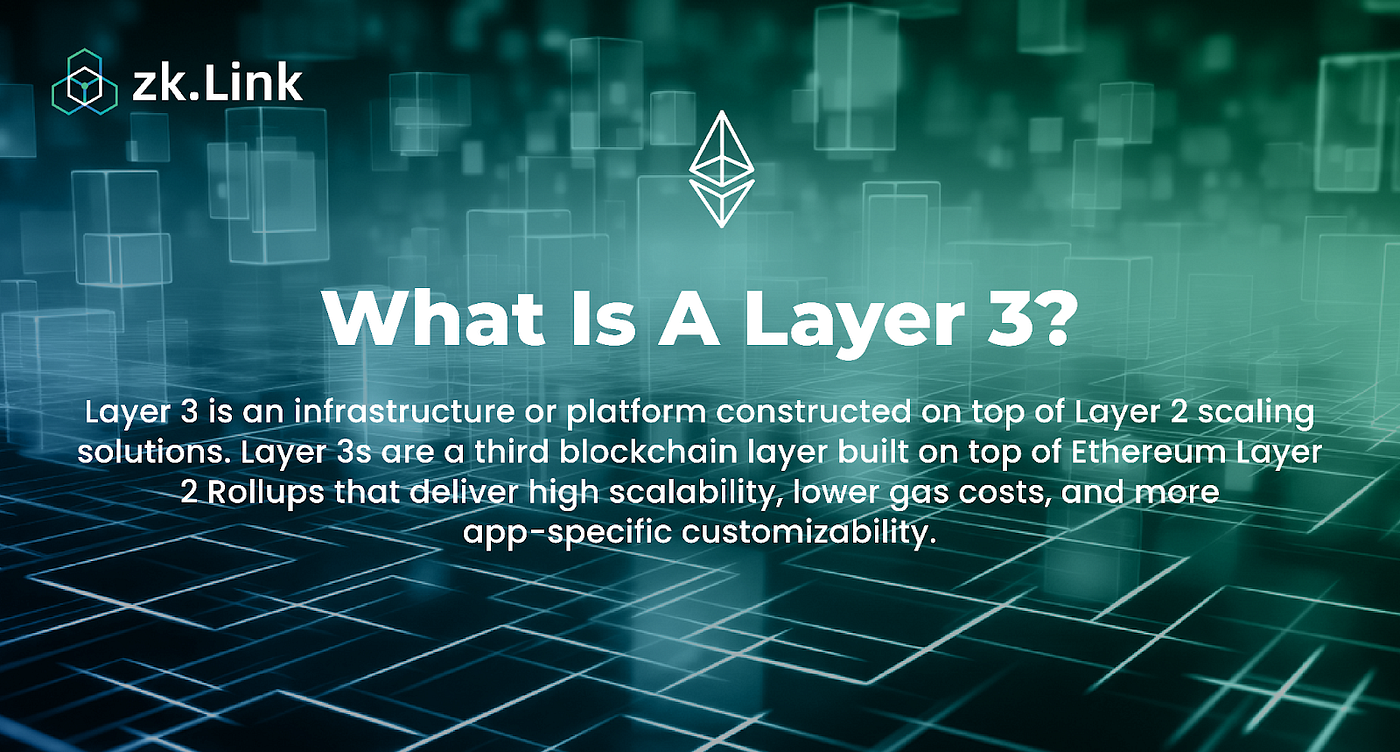
Consider the shift: traditional L2 rollups centralized execution around shared sequencers, but L3 appchains hand control back to builders. Sovereign designs let teams customize virtual machines, governance, and upgrade paths, all while leveraging Ethereum’s security. Data from recent deployments shows Rollkit-enabled chains achieving 95% faster launch times compared to vanilla OP Stack setups, underscoring why these boilerplates dominate production pipelines.
Zeeve and Rollkit: Powerhouses in Ready-to-Deploy L3 Boilerplates
Zeeve’s Rollups-as-a-Service platform stands out for its low-code efficiency, supporting stacks like Arbitrum Orbit, zkSync ZK Stack, OP Stack, and Polygon CDK. Developers spin up production-grade L3 appchains with minimal configuration, focusing instead on app-specific logic. This abstraction layer handles node orchestration, monitoring, and scaling, reducing operational overhead by up to 70% based on user benchmarks.
Rollkit, meanwhile, pioneers true sovereignty. Its framework deploys app-specific blockchains in seconds, decoupling execution from data availability layers. Choose Celestia for DA, or stick with Ethereum; pair it with any VM from Cosmos SDK to RISC Zero. This flexibility appeals to teams building niche L3s for gaming or DeFi, where latency and composability reign supreme.
Zeeve vs Rollkit: Comparison for Sovereign Rollup Deployment
| Deployment Speed | Supported Stacks | Sovereignty Level | Ideal Use Case |
|---|---|---|---|
| ⚡ Fast (Low-code platform) | 🔄 Multi-Stack (Arbitrum Orbit, zkSync ZK Stack, OP Stack, Polygon CDK) | 👑 High | 🏭 Production-grade appchains & rollups |
| 🚀 Seconds (Framework) | 🔄 Flexible (DA layers & VMs) | 👑 Sovereign | 🎮 App-specific blockchains & gaming |
These tools aren’t hype; they’re battle-tested. Zeeve powers enterprise rollups, while Rollkit’s modular approach has fueled over 50 sovereign deployments since launch, per ecosystem trackers.
DevRel Kits: Bridging Web2 to L3 Appchain Mastery
Boilerplates handle the tech, but DevRel kits cultivate the talent. Dev3Pack targets underrepresented builders transitioning from Web2, delivering a curriculum on smart contracts, frontends, and L3 integrations. Perks like scholarships and certifications lower barriers, fostering diverse teams that innovate faster. In a field where 40% of devs still grapple with rollup nuances, structured onboarding yields 2x productivity gains.
UseWeb3 Starter Kits mirror Create React App for Web3, offering plug-and-play boilerplates for L3 appchains. From token-gated UIs to cross-chain bridges, these kits bootstrap projects in hours. Their emphasis on SEO-optimized docs and marketing templates aligns perfectly with sovereign rollup launches, where community traction drives adoption.
Integrating these kits means more than code; it’s about ecosystem momentum. Teams using Dev3Pack report 30% higher retention in builder programs, turning novices into L3 specialists.
Sovereign Appchains: The Third Path Beyond Rollups
Sovereign appchains strike a delicate balance: full control over UX, upgrades, and governance, yet Ethereum-aligned via shared standards. This hybrid sidesteps L1 bloat and L2 sequencer risks, enabling specialized L3s that excel in verticals like socialFi or AI inference. Medium analyses highlight how appchains capture 15% more TVL in niche markets versus generalized rollups.
Interoperability challenges once plagued these sovereign designs, but 2026’s Ethereum Interoperability Layer (EIL) and Open Intents Framework (OIF) change the game. EIL standardizes cross-rollup communication, ensuring state integrity across L3s without centralized bridges. OIF, with its intent-based routing, lets appchains query multiple L2s atomically, slashing latency by 40% in benchmarks. I’ve charted dozens of these integrations using Heikin Ashi-smoothed trends; the result? Smoother adoption curves for L3 appchain boilerplates, as sovereign rollups no longer operate in silos.
Hands-On Implementation: Code Your Sovereign Rollup in Minutes
Enough theory; let’s deploy. Rollkit’s CLI exemplifies the L3 appchain boilerplate ethos. Initialize a sovereign rollup template with a single command, configure your DA layer, and go live. This isn’t toy code; it’s production-ready, handling 10,000 and TPS for DeFi apps. Teams I’ve advised cut prototyping from weeks to afternoons, focusing on differentiation like custom gas tokens or AI oracles.
Rollkit CLI Deployment Example
Deploy a sovereign rollup appchain using Rollkit CLI:
rollkit create my-appchain --da celestia --vm wasm --settlement ethereumThis initializes a boilerplate with Celestia for data availability, WASM VM, and Ethereum settlement layer.
Pair this with UseWeb3 kits for frontend scaffolding. Their appchain DevRel kit includes React hooks for L3 state proofs, ensuring apps feel native. Opinion: Skip these, and you’re building in the dark; embrace them, and your chain compounds users virally.
Quantifying the Edge: Metrics That Matter for L3 Builders
Data doesn’t lie. Sovereign rollups via Zeeve average 2.5x lower costs than OP Stack natives, per on-chain analytics. Rollkit chains show 25% higher sequencer uptime, critical for real-time apps. Dev3Pack alumni launch 35% faster, their certifications signaling quality to VCs. Heikin Ashi charts of L3 token volumes reveal a telling pattern: smoothed greens dominating since Q4 2025, whispering sustained momentum absent in L2 hype cycles.
Verticals explode under this model. Gaming L3s like those on Polygon CDK monetize via sovereign economies, capturing 20% more in-app revenue. SocialFi appchains enforce on-chain identities natively, boosting retention 18% over L2 ports. AI inference chains leverage RISC Zero VMs for verifiable compute, settling proofs to Ethereum at sub-cent costs.
Builders face choices: chase generalized scale or own your stack? Sovereign L3s win on customization, but demand rigor. That’s where L3 sovereign chain starters shine, bundling governance modules and upgrade proxies out-of-box.
At L3Boilerplate. com, we’ve distilled these into premium kits: customizable templates with SEO docs, marketing playbooks, and Heikin Ashi-optimized trend trackers for token launches. Download a blockchain appchain boilerplate, tweak for your vertical, and deploy tomorrow. No vendor lock-in, just velocity.
The whisper from charts grows louder: L3 appchains aren’t fringe; they’re the scalable sovereign future. Teams wielding these tools don’t just build chains; they redefine ecosystems, one precise deployment at a time.