
In the ever-cycling world of blockchain, where patterns from commodities trading echo into crypto's volatile rhythms, Layer 3 appchains stand out as the next sovereign frontier. As we hit March 2026, developers no longer wrestle with months-long setups for custom rollups; instead, L3 appchain boilerplates deliver ready-to-deploy sovereignty in days. Drawing from my 14 years analyzing BTC-gold correlations, I see these tools as fundamental assets, much like resource-backed tokens that anchor value amid speculation. L3Boilerplate. com captures this shift with templates that blend Orbit chains, zk stacks, and app-specific logic, empowering teams to launch scalable solutions without the bootstrap grind.

Sovereign rollups merge Layer 1 autonomy with rollup efficiency, sidestepping validator hunts or premature security bootstraps. This isn't hype; it's a pragmatic evolution. Platforms now offer sovereign rollups templates that let any VM or app claim its chain. Reflecting on cycles, we've seen L2s commoditize scaling; L3s now specialize it for apps craving protocol-level control, like bespoke fee models or governance tweaks.
Sovereign Rollups Reshape Appchain Deployment
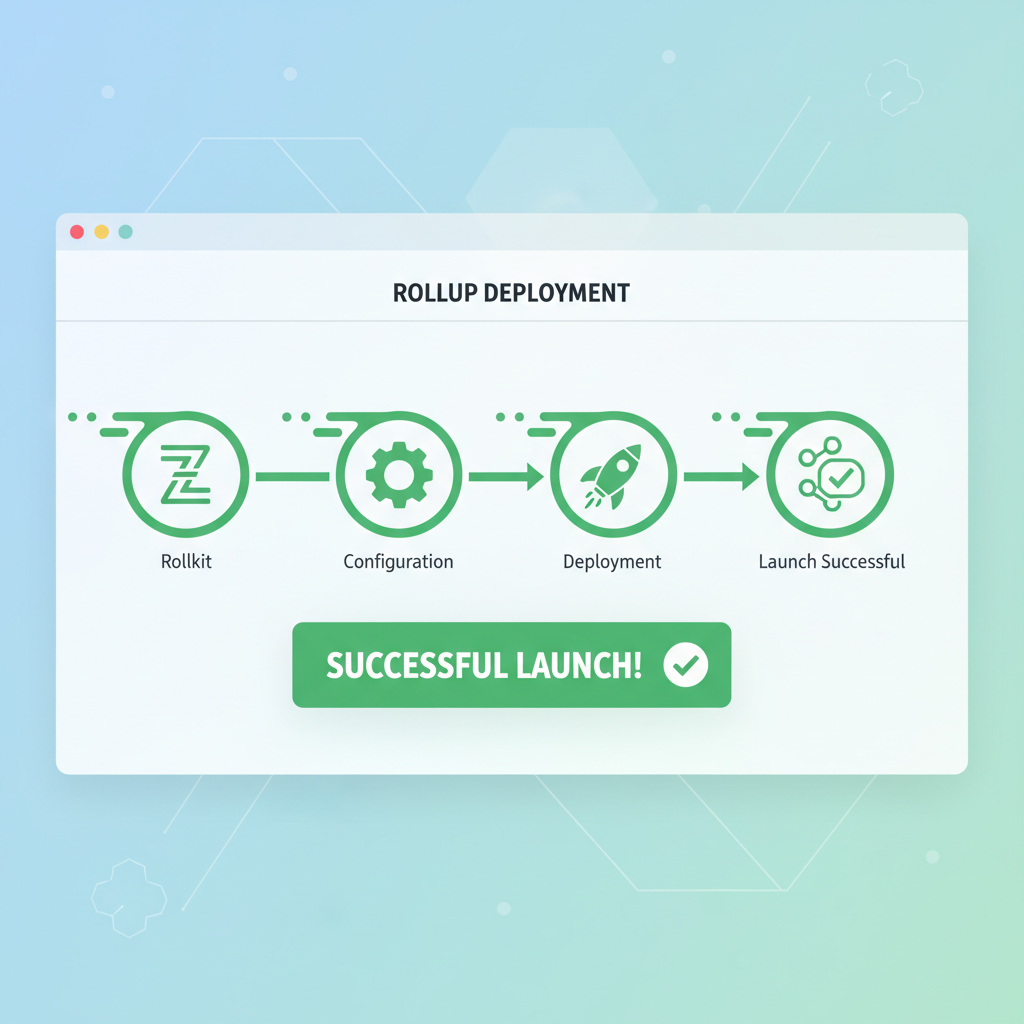
Consider Rollkit's framework: it spins up sovereign rollups in seconds, a one-click path to independence. No more recruiting decentralized guardians from scratch. This aligns with Tanssi's Ethereum-compatible appchains, where EVM runtimes deploy smart contracts instantly, ideal for projects demanding custom execution. Avail layers in data availability, supporting SDKs from Stackr to Sovereign, fueling ZK validiums and beyond. These aren't isolated tools; they form a modular ecosystem where L3 rollup starters reduce complexity to checklists.
Zeeve's Rollups-as-a-Service ties it together, managing stacks like Arbitrum Orbit, OP Stack, Polygon CDK, even Cosmos SDK or Substrate. Enterprise-grade infra handles the heavy lifting, letting devs focus on innovation. From my macro lens, this mirrors gold's stability propping BTC rallies; robust infra props up appchain sovereignty.

Why L3 Appchain Boilerplates Slash Time-to-Market
Traditional blockchain appchain deployment dragged on, mired in config mazes and security audits. Enter L3 appchain boilerplate kits from L3Boilerplate. com: pre-packed with Orbit chain templates, DevRel resources, and SEO-optimized docs. Slash months to days by forking customizable sovereign rollups, complete with marketing kits for launch hype. It's not just code; it's a full-stack accelerator for 2026's app-specific chains.
These boilerplates embed best practices: modular DA layers via Avail, rapid sovereignty from Rollkit, EVM flexibility from Tanssi. Developers gain blockchain appchain deployment flows that scale, with governance baked in. Opinionated take: in a sea of generic L2s, sovereign L3s win by tailoring economics to apps, much like how physical gold underpins digital scarcity.
Comparison of Key L3 Platforms
| Platform | Supported Stacks | Deployment Time | Key Features |
|---|---|---|---|
| Zeeve | Arbitrum Orbit, zkSync ZK Stack, OP Stack, Polygon CDK, Avalanche L1, Cosmos SDK, Polkadot Parachains, Substrate Chains, Hyperledger Fabric | Days | Production-grade rollups & appchains, fully managed infrastructure, end-to-end secure scaling |
| Rollkit | Any virtual machine or application | Seconds | One-click sovereignty, L1 self-governance with rollup ease, no validator set needed |
| Tanssi | Ethereum-compatible appchains, EVM runtimes | Immediate smart contract deployment | Protocol-level control, custom execution logic, flexible fees, aligned governance |
| Avail | Stackr SDK, Sovereign SDK, Rollkit, Cosmos Avail DA Module, OpEVM, Dymension, Paima Engine | Rapid via SDKs | Data availability solutions, Avail-powered ZK Stack Validium, sovereign rollup support |
DevRel Kits Elevate Sovereign Chain Launches
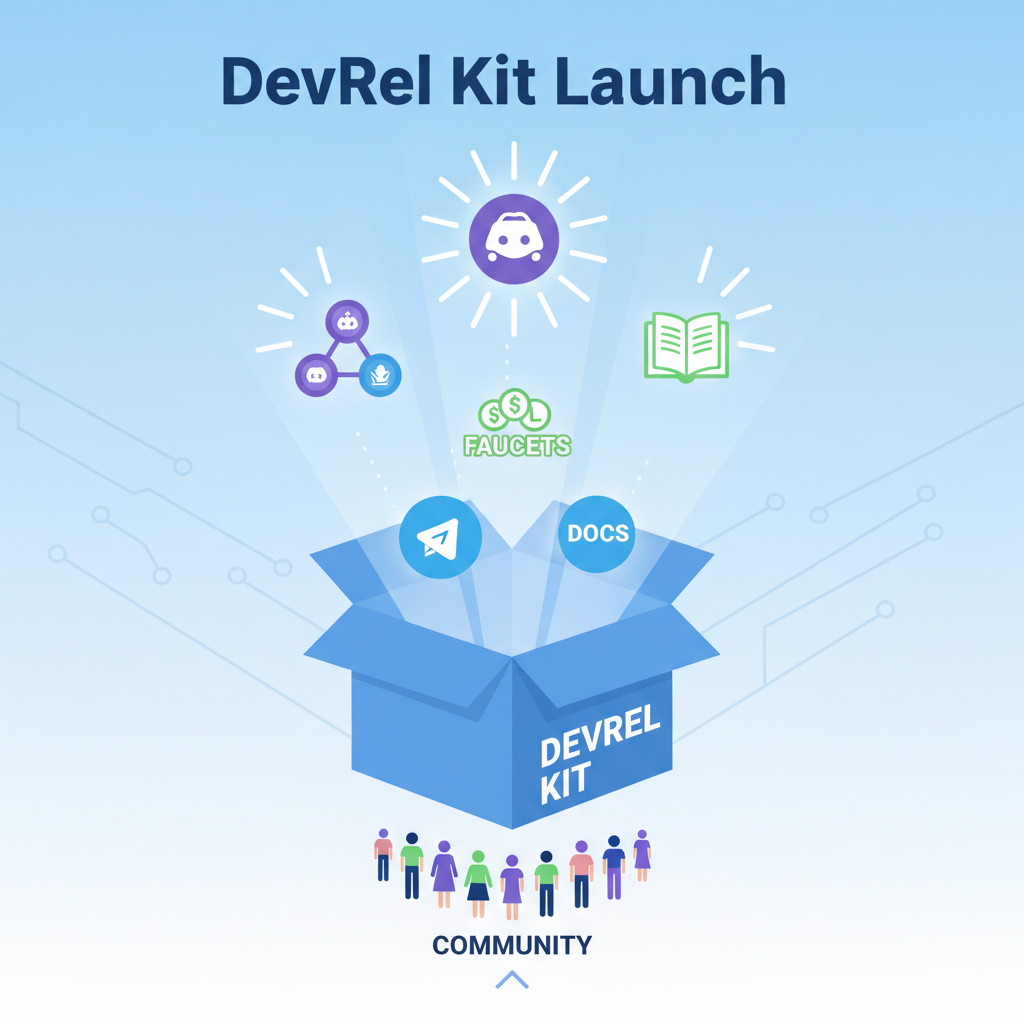
Beyond templates, appchain DevRel kits from L3Boilerplate. com arm teams with community builders, polished docs, and engagement playbooks. Launch a sovereign chain boilerplate 2026, and pair it with pre-crafted narratives that resonate in dev forums. Tanssi's protocol tweaks shine here, enabling fee models that align incentives without L1 compromises.
Reflectively, this ecosystem's maturity echoes past bull cycles: tools precede adoption. Zeeve's managed services ensure production readiness, while Rollkit's speed invites experimentation. Avail's DA modules prevent bottlenecks, creating flywheels for ZK and optimistic stacks alike. For builders, it's liberation; no longer chained to shared layers, apps claim true sovereignty.
Hands-on adoption starts with grasping how these sovereign rollups templates integrate into workflows. Builders fork an L3Boilerplate kit, tweak the VM, plug in Avail DA, and deploy via Rollkit or Zeeve. Tanssi handles EVM tweaks seamlessly. This modular stack turns abstract sovereignty into tangible chains, where apps dictate their rules without shared-layer friction.
Streamlining Blockchain Appchain Deployment
Picture a DeFi protocol tired of L2 congestion: it grabs a L3 rollup starter, customizes fees via Tanssi, secures DA with Avail, and launches sovereign via Rollkit. Days later, it's live with bespoke governance. Zeeve's RaaS oversees scaling, mirroring how gold's physicality stabilizes BTC amid volatility. From my vantage, these boilerplates aren't shortcuts; they're pattern recognition, distilling years of chain-building into deployable wisdom.
Deploy L3 Appchain Boilerplates: Sovereign Rollups in 2026 – Step-by-Step Mastery
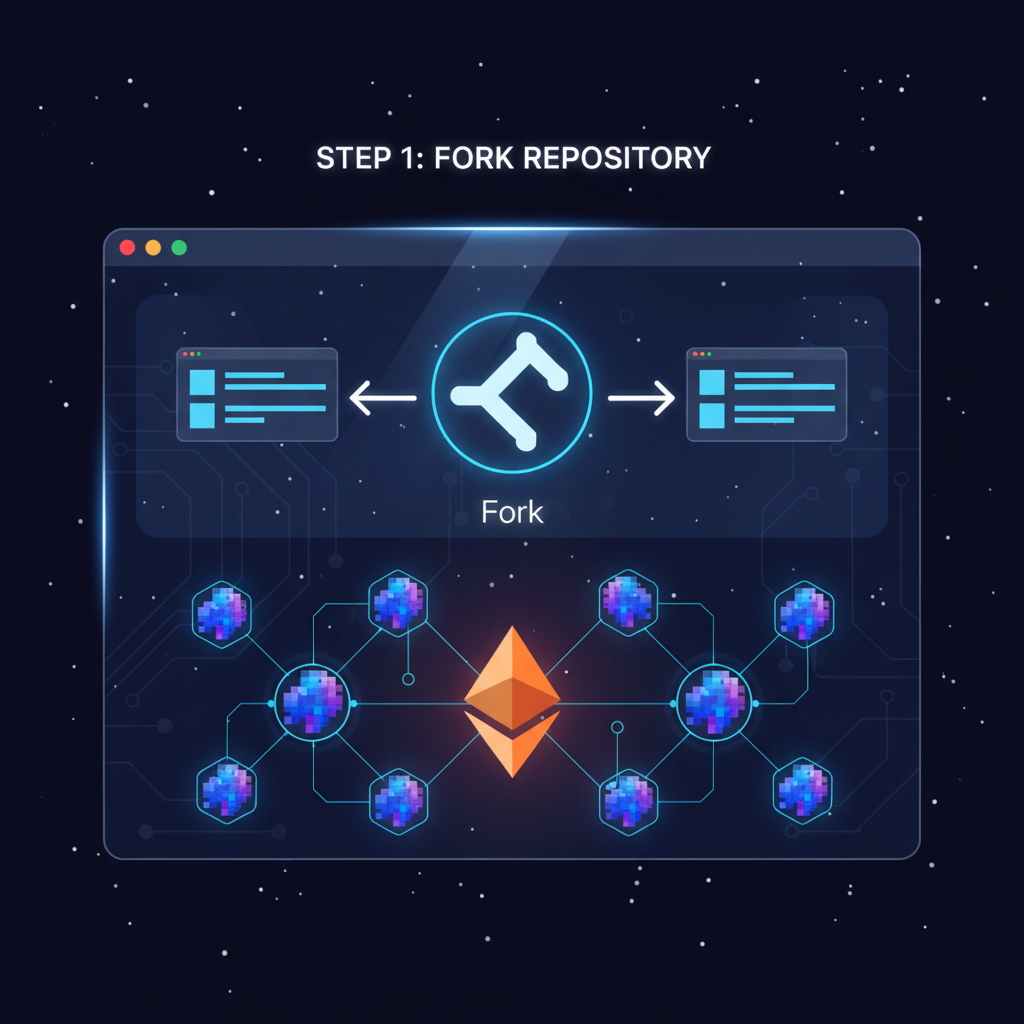
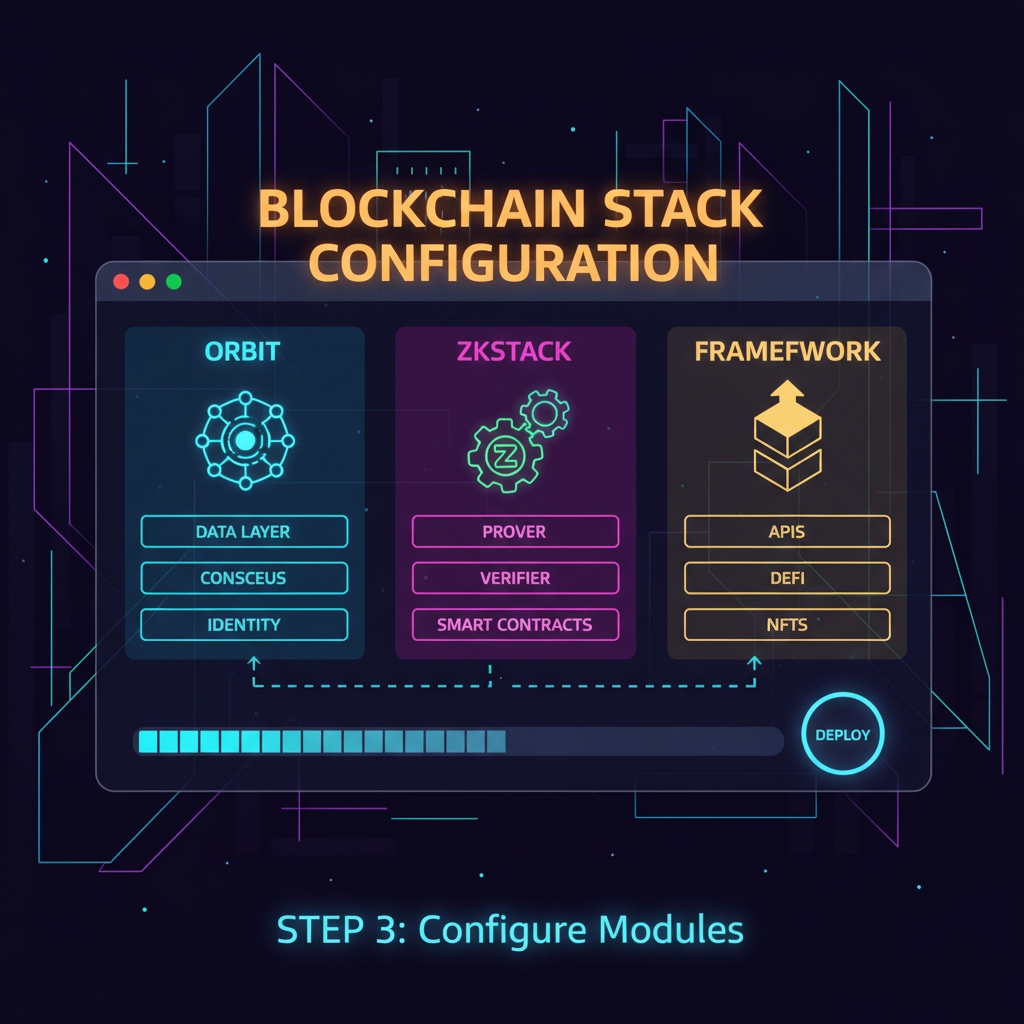
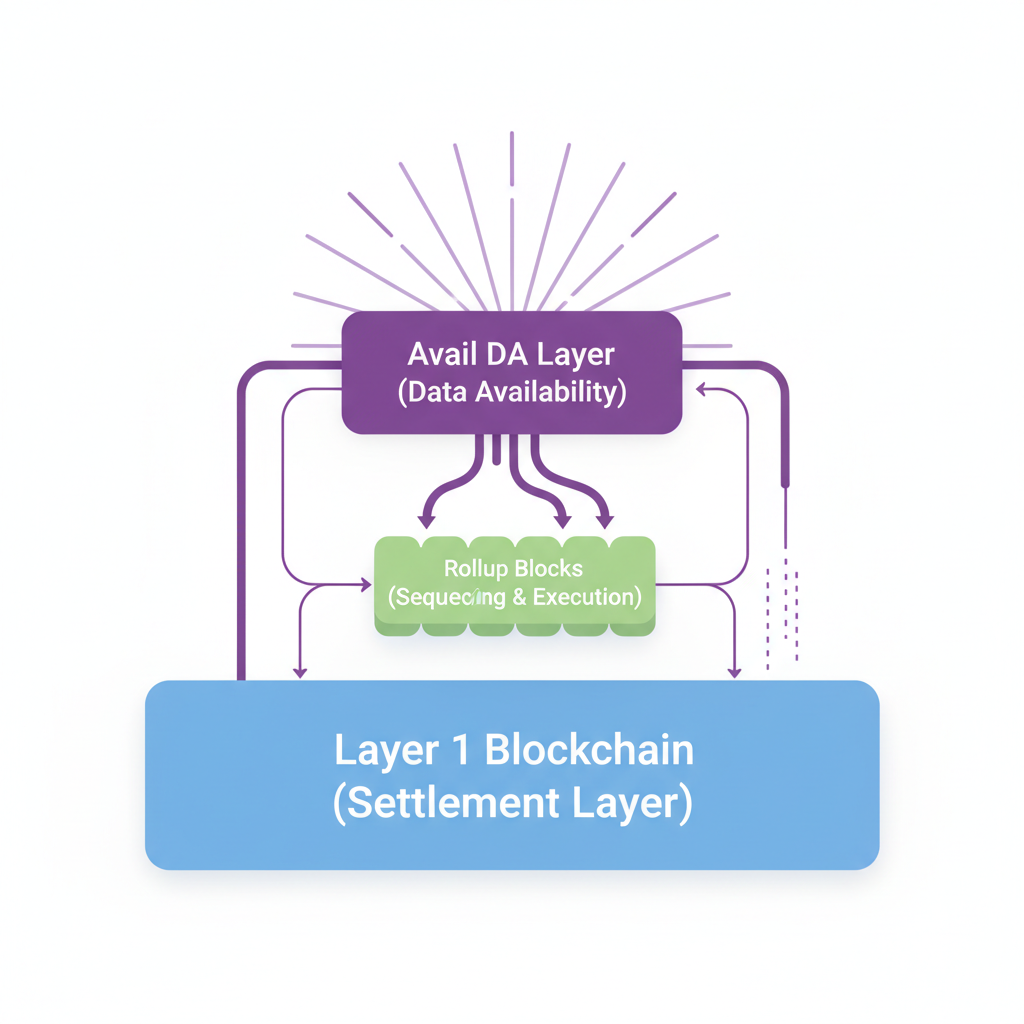
Such flows democratize sovereignty. Teams sidestep the validator bootstrap trap, focusing on product-market fit. Opinion: generic L2s flood the space, but tailored L3s carve niches, much like resource tokens outperforming memes in downturns. L3Boilerplate's kits bundle this edge with DevRel ammo: tweet threads, doc skeletons, community onboarding scripts.
Deeper still, these tools foster economic sovereignty. Custom fee models via Tanssi prevent extractive L1 dynamics; Rollkit's one-click chains enable rapid iteration. Avail ensures data flies unhindered, powering ZK proofs or optimistic frauds. Zeeve wraps it in ops reliability, from monitoring to upgrades. Reflecting on cycles, 2026 marks the trough-to-peak pivot: infra matures, adoption surges.

Future-Proofing with Sovereign Chain Boilerplates 2026
By mid-2026, expect sovereign chain boilerplate 2026 evolutions: hybrid ZK-optimistic stacks, AI-orchestrated governance, seamless cross-chain bridges. L3Boilerplate anticipates this with extensible templates, letting devs layer innovations atop proven cores. Zeeve expands to quantum-resistant infra; Rollkit iterates sovereignty primitives; Tanssi deepens EVM mods; Avail scales DA for petabyte apps.
Macro parallel: as BTC traces gold's ballast through uncertainty, appchains anchor crypto's specialization wave. No longer monolithic, blockchains fractalize into app-fit shards. Builders wielding these kits ride the cycle's upswing, deploying value-capture machines that outlast hype. From commodities lens, true assets endure patterns; L3 appchains embody that resilience.
Embrace the boilerplates. Fork, deploy, sovereignize. Patterns affirm: those armed with fundamentals lead the next rotation.



No comments yet. Be the first to share your thoughts!