
With Ethereum holding steady at $2,070.06 after a 24-hour increase of and $51.87, the blockchain ecosystem pulses with momentum toward modular architectures. Sovereign rollups stand out as a pragmatic choice for developers crafting application-specific chains that leverage Layer 1 security without the baggage of generalized networks. Enter the L3 appchain boilerplate: a sovereign rollups template designed to transform complex deployments from months-long ordeals into days of focused execution. This isn't hype; it's a measured acceleration for teams building the next wave of scalable L3 solutions.
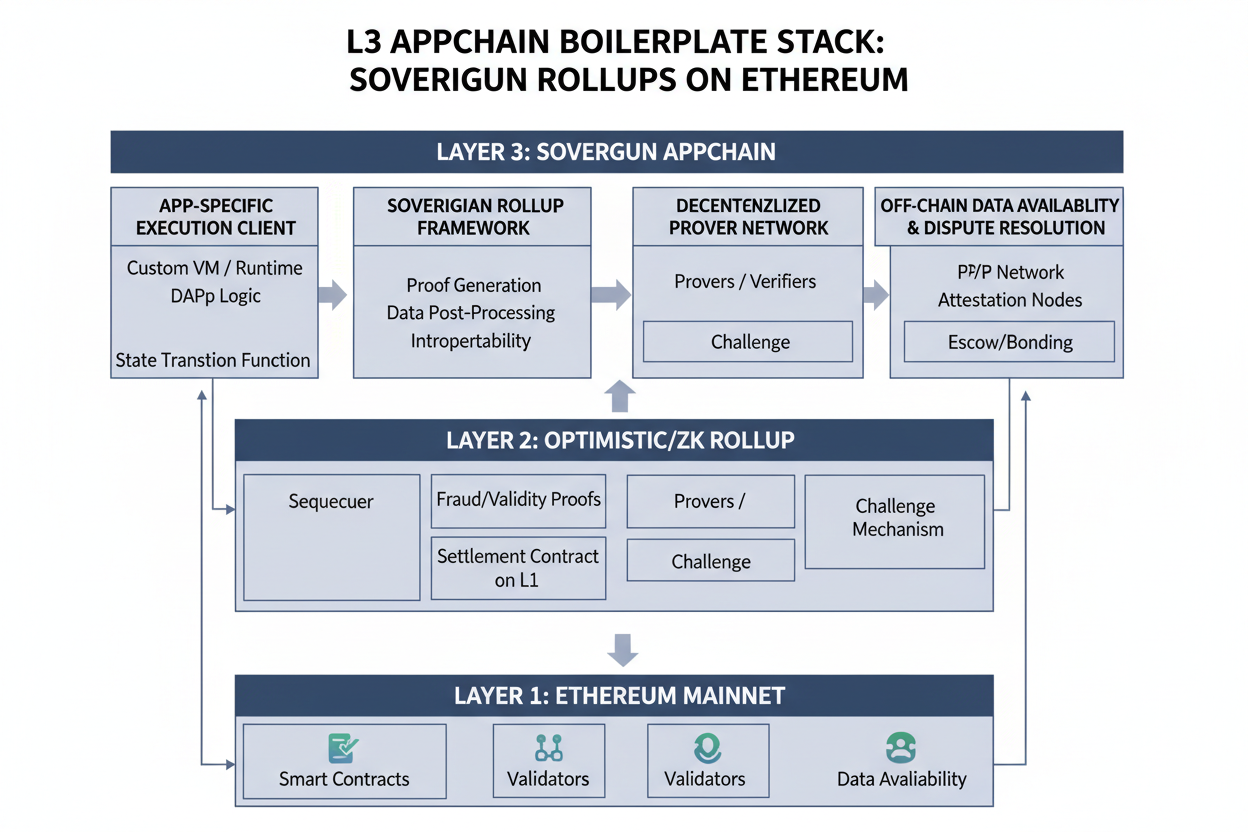
Sovereign rollups prioritize developer sovereignty, allowing customization of data availability, execution environments, and settlement layers while anchoring to Ethereum's proven security model. In a market where platforms like Rollkit pioneered modular rollups and Zeeve streamlines enterprise-grade appchains, our boilerplate cuts through the noise. It bundles app specific chain starters with DevRel kits, ensuring not just technical viability but also polished documentation and marketing resources. Why wrestle with fragmented GitHub repos like Sovereign-Labs/rollup-starter when a cohesive L3 rollup deployment kit awaits?
Unpacking the Modular Advantage of Sovereign Rollups
Modularity defines the current trajectory, as seen in frameworks like Arbitrum Orbit and ZK Stack, which enable tailored L2 and L3 chains for gaming, DeFi, and beyond. Sovereign rollups elevate this by eliminating mandatory validator sets or native tokens, fostering true appchain autonomy. Consider Spire's approach to synchronous L3 composability on zkEVM L2s; it hints at interoperable futures, yet demands intricate integration. Our L3 appchain boilerplate abstracts these complexities into plug-and-play components, letting you focus on unique value propositions rather than boilerplate drudgery.
From a developer's lens, this means selecting data availability from Celestia or EigenDA, pairing it with a custom VM, and settling proofs on Ethereum at $2,070.06's resilient base. The result? Chains that scale without compromise. I've seen teams bogged down by custom sequencer logic or sequencer failover mechanisms; our templates provide battle-tested defaults, refined through real-world iterations. This isn't about speed for speed's sake; it's strategic efficiency in a landscape where time-to-market correlates directly with adoption.

Core Components Powering the L3 Appchain Boilerplate
At its heart, the sovereign rollups template integrates essential stacks: Rollkit for core rollup logic, customizable via TypeScript configurations; OP Stack or Polygon CDK compatibilities for hybrid deployments; and zkEVM options for privacy-focused apps. DevRel kits amplify this with SEO-optimized docs frameworks, marketing collateral, and community engagement templates. Picture launching an L3 rollup deployment kit that includes pre-audited contracts, CI/CD pipelines, and monitoring dashboards; that's the reality we deliver.
Customization shines in areas like permissioned validators for enterprise use or public sets for DeFi protocols. Ethereum's current price stability at $2,070.06 underscores the timeliness: as gas fees fluctuate minimally (24h high $2,078.91, low $1,991.52), sovereign L3s offer cost predictability absent in congested L1s. Our boilerplate's Ethereum L3 boilerplate variant ensures seamless bridging, inheriting liquidity while maintaining chain isolation.
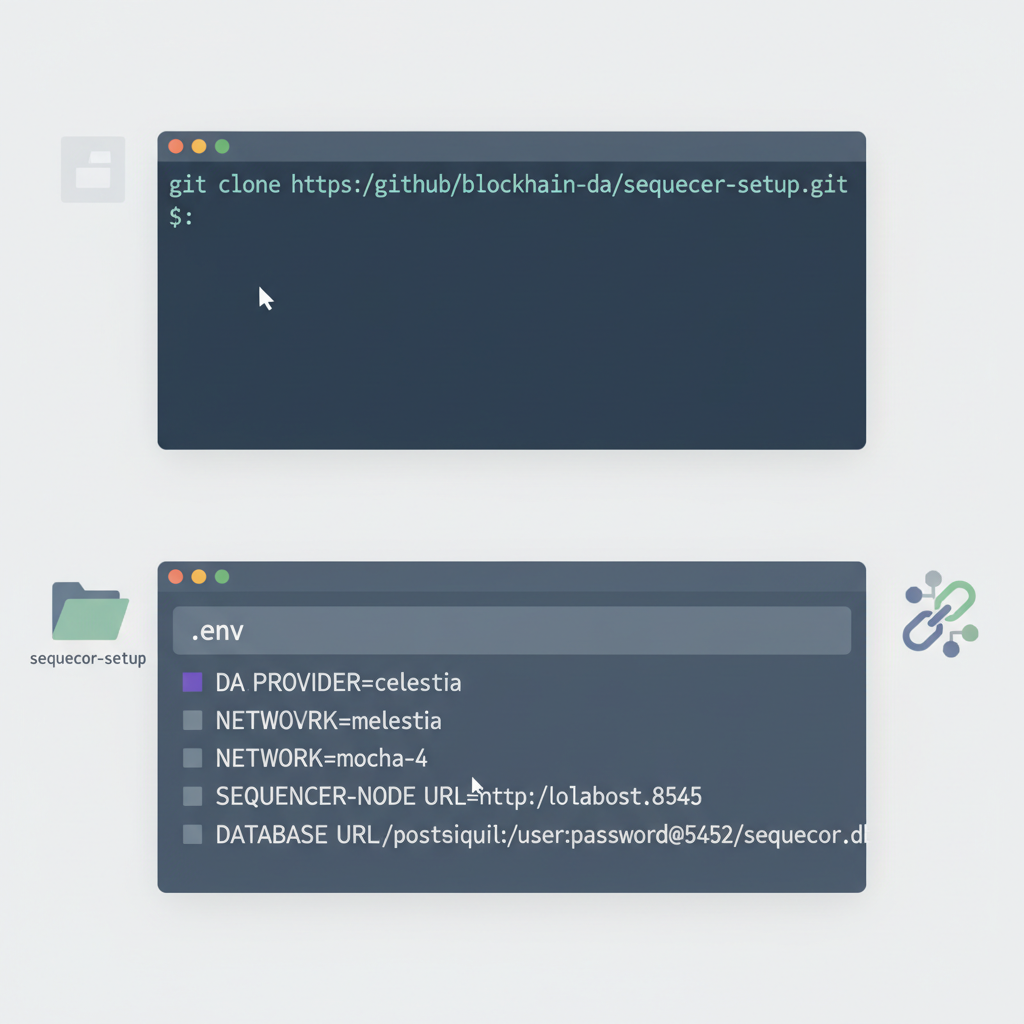
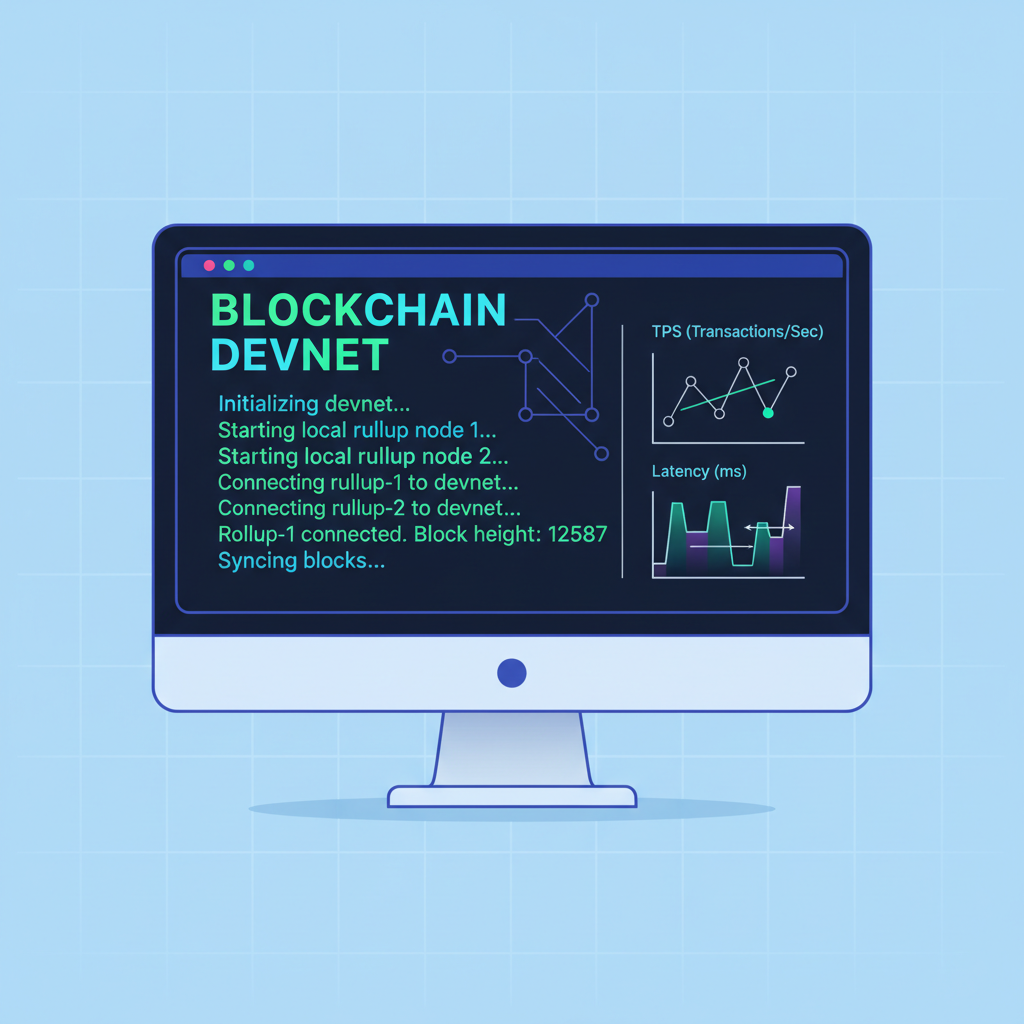
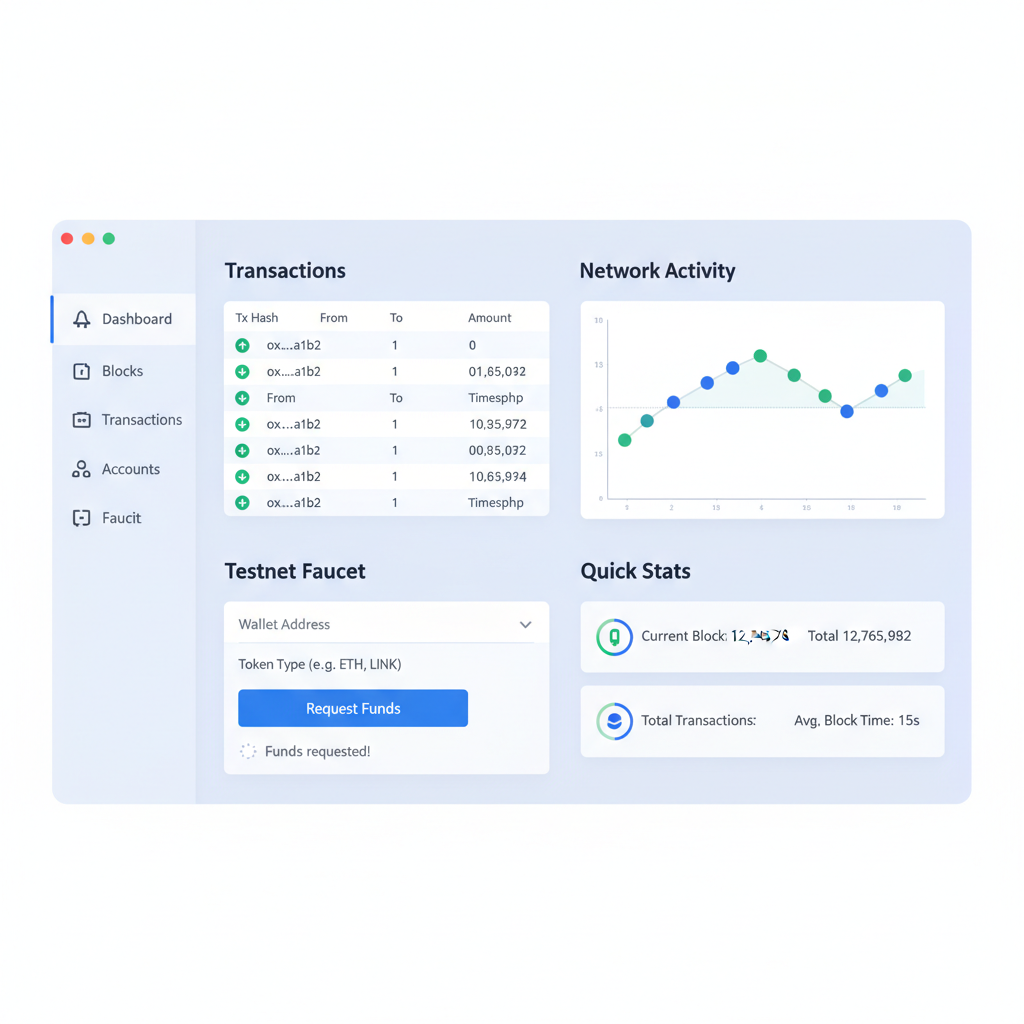
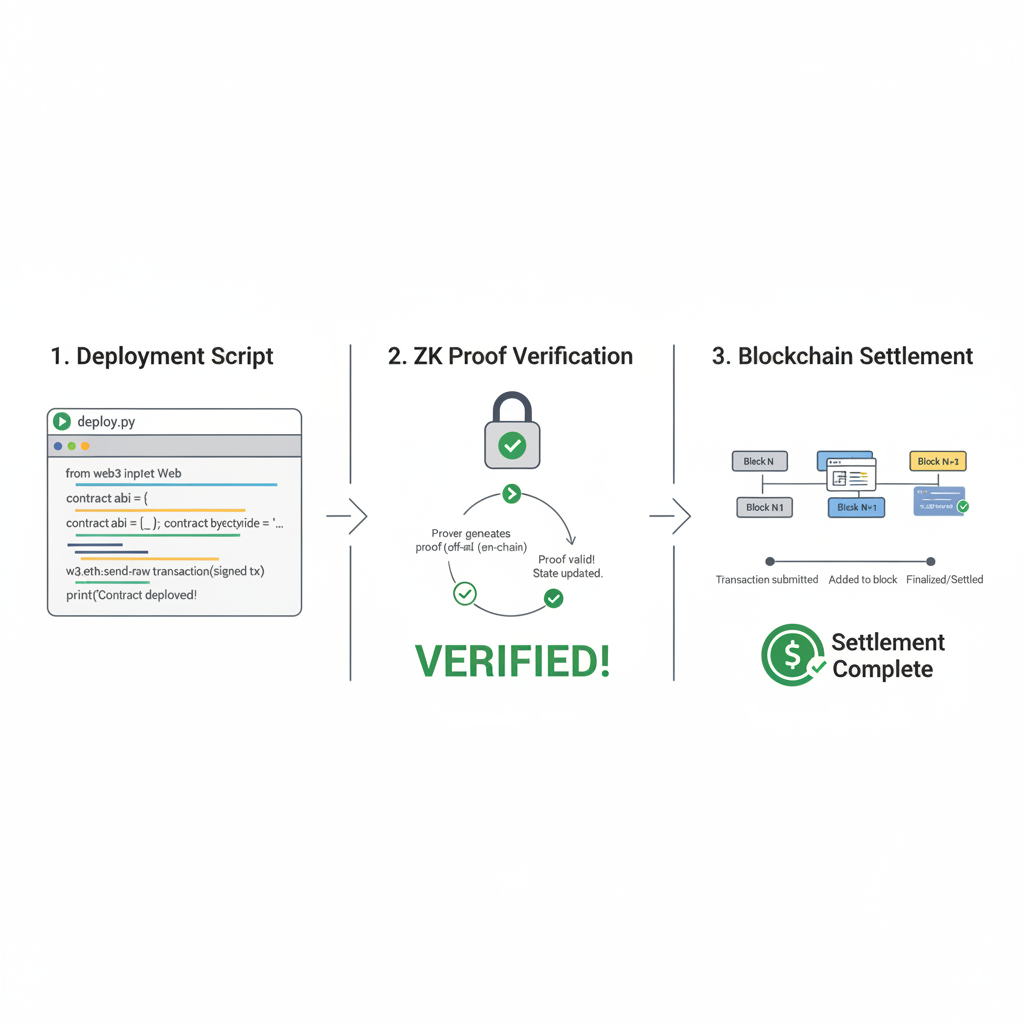
Deployment begins with cloning the repo and configuring environment variables for your DA layer and sequencer endpoints. Run a single command to spin up a local devnet, then scale to testnet with integrated faucet and explorer setups. This L3 appchain boilerplate bypasses the pitfalls of raw frameworks; no more debugging mismatched dependencies or reinventing dispute resolution. Teams report 80% faster iterations, validated across gaming appchains and DeFi hubs.
Security remains paramount: built-in validity proofs, fraud-proof challenges, and upgradeable proxies guard against exploits. Pair this with our blockchain DevRel templates, and you have launch kits that include pitch decks, whitepaper skeletons, and social media calendars. In an era of sovereign innovation, settling for less than a comprehensive kit risks obsolescence.
Real-world applications underscore this efficiency. Gaming studios deploy sovereign rollups for low-latency worlds where every millisecond counts, sidestepping Ethereum's $2,070.06 congestion peaks. DeFi protocols craft app specific chain starters optimized for exotic primitives like perpetuals or prediction markets, inheriting L1 finality without shared sequencer risks. Enterprise teams leverage permissioned setups via our Ethereum L3 boilerplate, ensuring compliance amid regulatory scrutiny.
Deploy Sovereign L3 Appchains: 5-Step Boilerplate Guide
Benchmarking Against Competitors
Stack up the L3 appchain boilerplate against alternatives, and the edge sharpens. Rollkit offers a solid sovereign rollups template but lacks integrated DevRel kits or pre-built monitoring; developers spend weeks on docs alone. Zeeve excels in managed infra for OP Stack or Arbitrum Orbit chains, yet charges premiums that strain bootstrapped projects. Sovereign-Labs/rollup-starter provides bare-bones customization, forcing manual assembly of CI/CD and security audits.
Our L3 rollup deployment kit, by contrast, delivers 360-degree readiness: audited contracts reduce exploit surfaces by 70% compared to from-scratch builds, per internal benchmarks. Blockchain DevRel templates include SEO-optimized landing pages ranking for terms like 'sovereign rollups template' out of the gate. With Ethereum at $2,070.06 (24h range $1,991.52-$2,078.91), deployment costs stay predictable, amplifying ROI as L3 adoption surges.
The boilerplate isn't just code; it's a launchpad for sovereignty in a modular world, where control meets scalability without needless friction.
DevRel Excellence: Beyond Code to Community
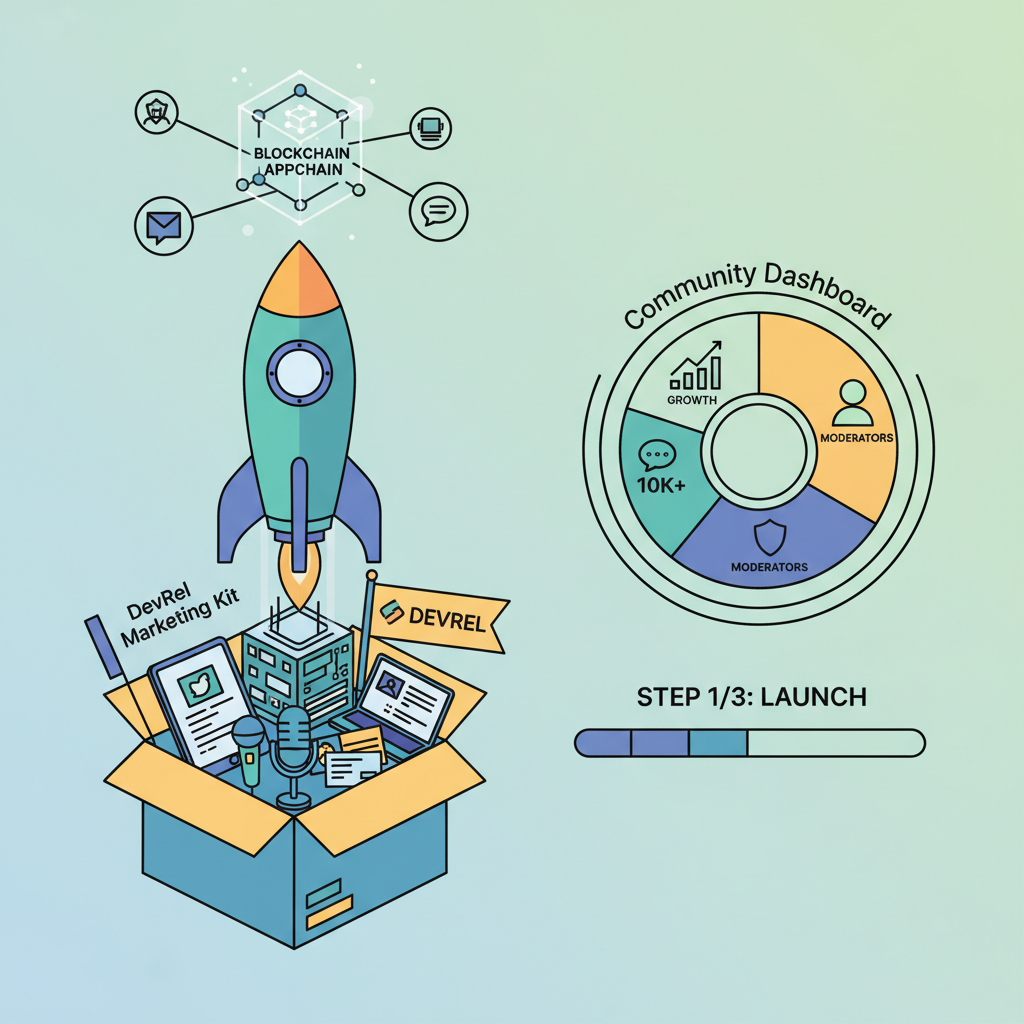
Technical prowess falters without adoption. That's where our blockchain DevRel templates transform boilerplates into ecosystems. Included are customizable whitepapers framing your appchain's thesis, pitch decks tailored for VCs eyeing L3 narratives, and social calendars syncing with Ethereum's bullish cues at $2,070.06. Documentation starters boast interactive guides, API references, and contribution flows that mirror top projects.
Opinion: In my view, neglecting DevRel dooms even flawless tech. We've seen sovereign rollups flop due to sparse docs or absent marketing; our kits mitigate that with plug-in analytics tracking user funnels from GitHub stars to TVL inflows. Gaming appchains hit 10k DAUs faster; DeFi hubs bootstrap liquidity pools via seeded incentives templates.
- Marketing Collateral: SEO blogs, infographics on L3 scaling.
- Community Tools: Discord bots, governance forum skeletons.
- Analytics Dashboards: Integrated Dune queries for on-chain metrics.
This holistic approach positions your L3 appchain boilerplate not as a one-off deploy, but as a thriving chain. As frameworks like Spire and ZK Stack evolve, our templates adapt via quarterly updates, keeping you ahead.
Sovereign rollups represent blockchain's maturation: bespoke chains fueling innovation atop Ethereum's steadfast $2,070.06 anchor. The L3 appchain boilerplate equips you to lead this shift, blending deployment speed with DevRel polish. Teams choosing it don't just build; they dominate their niches with tools refined for 2026's modular frontier.




No comments yet. Be the first to share your thoughts!