
L3 Sovereign Chain Boilerplates: From Fork to Mainnet

Layer 3 sovereign chains represent the pinnacle of customization in blockchain architecture, allowing developers to stack application-specific rollups atop Layer 2 networks for unparalleled scalability and control. As projects like Planck₀ and Avalanche’s Avalanche9000 lower barriers to launching sovereign L1s and L3s, the demand for L3 sovereign chain boilerplates has surged. These ready-to-fork templates bridge the gap from prototype to mainnet, incorporating battle-tested configs for ZK proofs, data availability, and interoperability. In this guide, we dissect the journey of appchain fork to mainnet, drawing from real-world tools like ZK Stack and MultiversX Sovereign Chains.

Decoding L3 Sovereignty in a Modular Era
Sovereign L3 chains decouple from L1 settlement entirely, inheriting L2 security while granting full governance over tokens, validators, and execution. Lux Network’s LP-0011 specification crystallizes this: L3 appchains trade some inherited security for operational sovereignty, ideal for high-throughput apps like gaming or DeFi verticals. Opinion: this shift favors builders tired of L2 sequencer centralization; Planck₀’s device-connecting compute sharing exemplifies frictionless sovereignty.
Avalanche9000 pushes further, enabling scaled L1 deployments with dynamic fees, while Owl Protocol’s EVM-compatible rollups offer Node-as-a-Service for noobs. Movement Network’s forkless sidechain-to-L1 pivot and Mantle Network’s ZK validity rollup via Succinct underscore hybrid paths. SphereOne’s Base L3 testnet proves L3s are production-ready. These aren’t hypotheticals; they’re blueprints for your sovereign rollup mainnet guide.
Key L3 Sovereign Advancements
-

Planck₀: Enables deployment of custom L1 chains with full governance, token ownership, and performance tools. Source
-
Avalanche9000: Upgrade for seamless L1 deployments on Avalanche at scale, with dynamic fees and flexibility. Source
-
Lux LP-0011: Specs defining L1 sovereign, L2 primary-validated, and L3 app chains with sovereignty-security trade-offs. Source
-
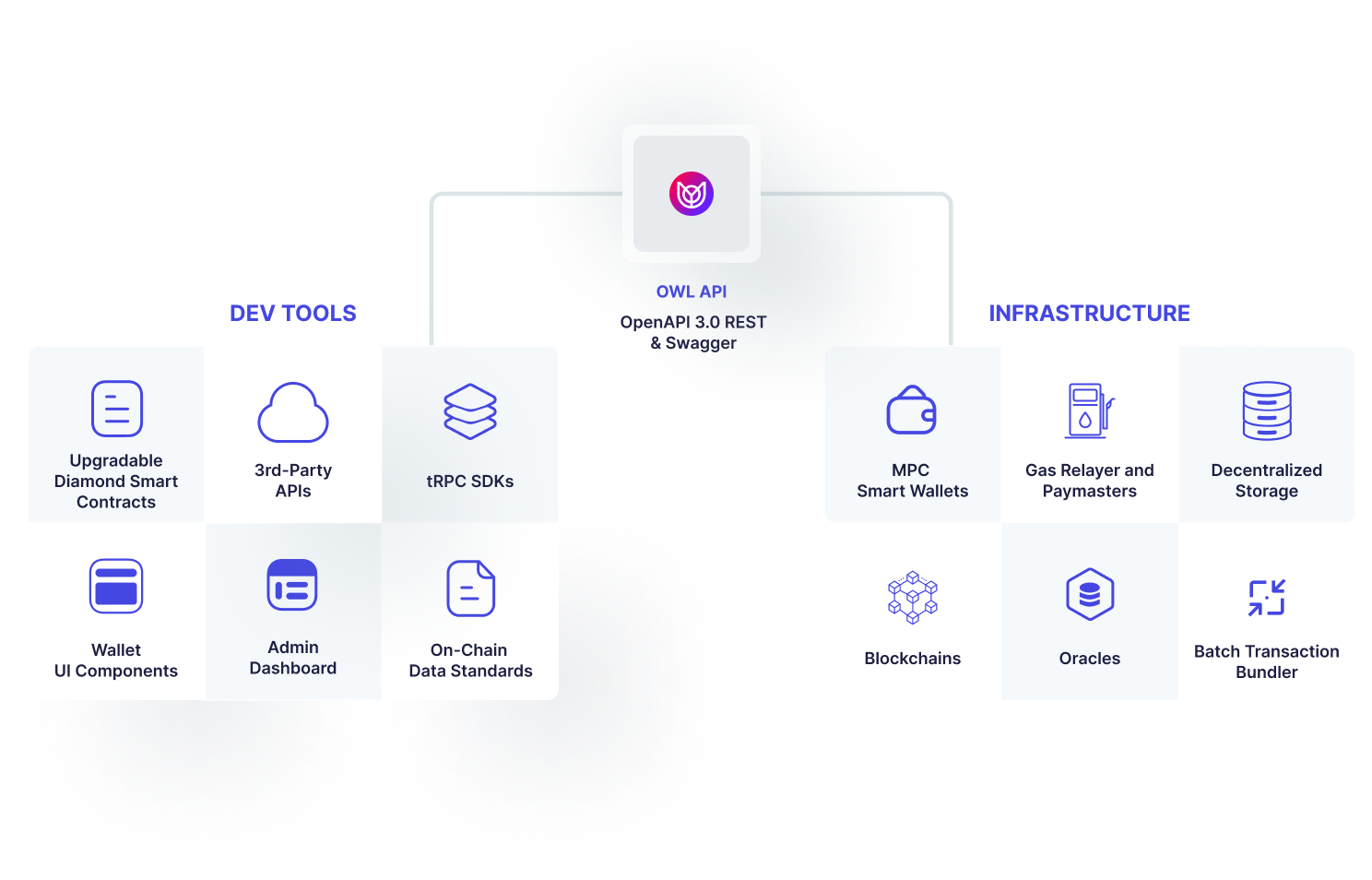
Owl Protocol: Rollups for custom EVM-compatible L2/L3 launches via Node-as-a-Service and frameworks. Source
-

Movement Network: Sidechain-to-sovereign L1 transition without hard fork, targeting 10k+ TPS. Source
-
Mantle Network: ZK validity rollup via Succinct alliance, with modular DA and proofs. Source
-

SphereOne: L3 testnet on Base using Conduit Rollup Infrastructure. Source
-

MultiversX SDK: Sovereign Chain SDK for custom L2s/appchains with scalability and security. Source
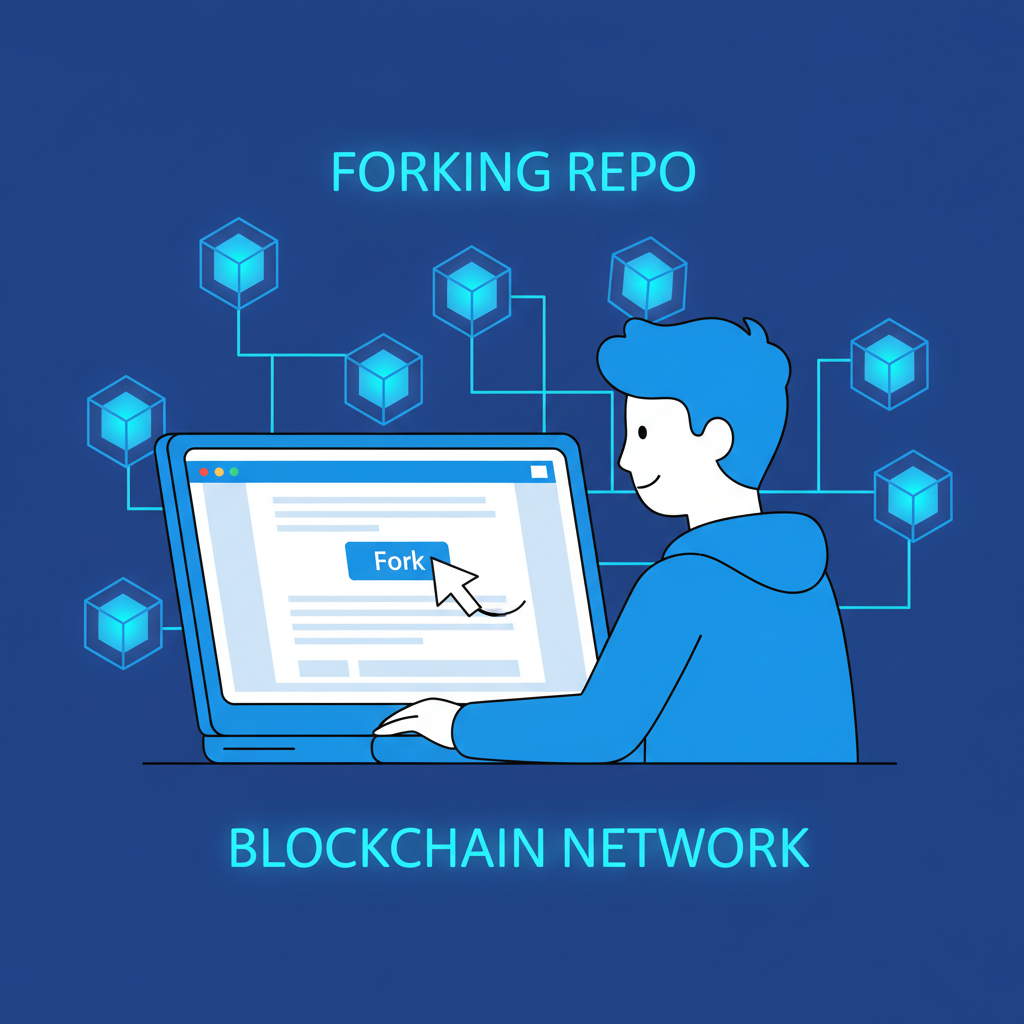
Forking Mainnet: Your First Sovereignty Checkpoint
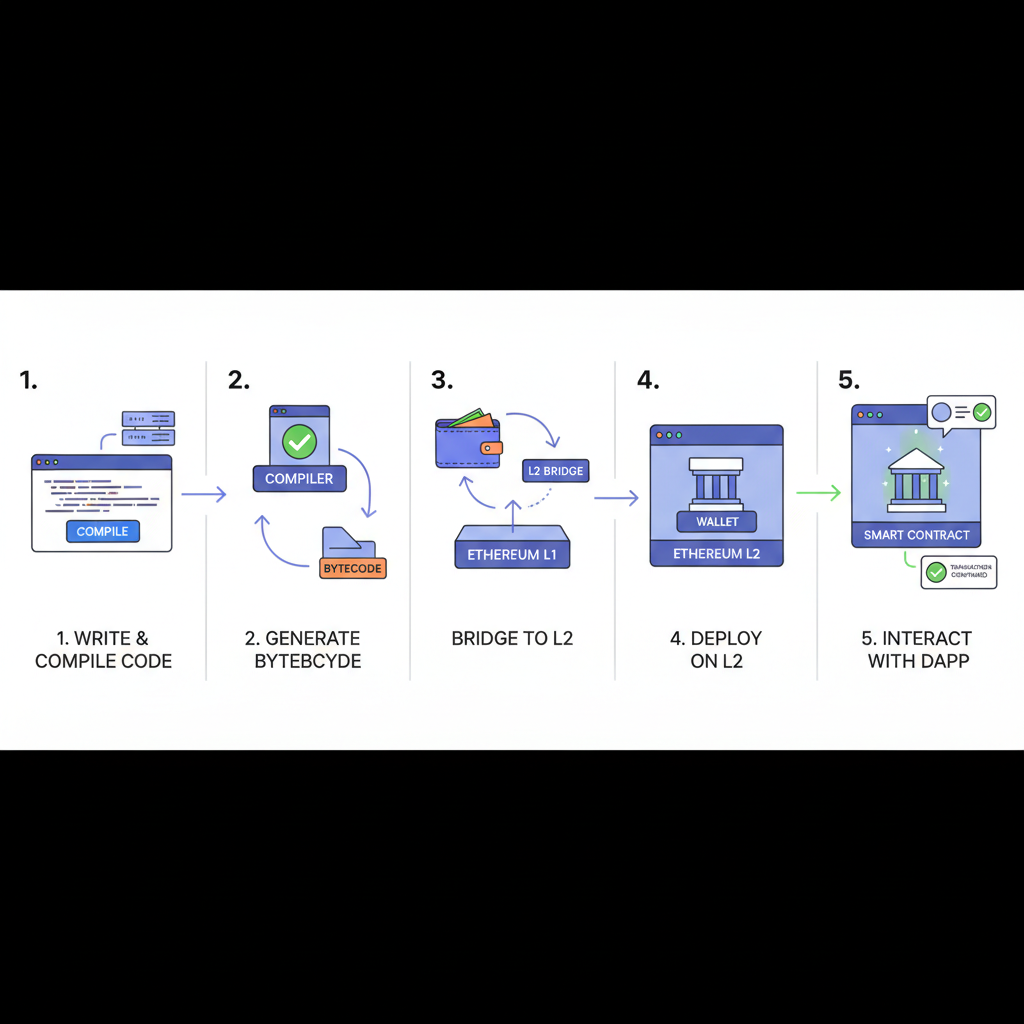
Forking mainnet locally accelerates testing without real funds, a cornerstone of any L3 chain deployment boilerplate. Hardhat shines here: spin up an Ethereum fork, impersonate whale accounts loaded with USDC, and simulate chain configs. Aaron Li’s Medium deep-dive nails it; pair with scaffold-eth for UI scaffolding. Austin Griffith’s tutorial video? Pure gold for visualizing Hardhat’s magic.
ZK Stack’s GitHub issue #778 reveals ecosystem nuances: nesting L3s on ZKsync hyperchains shares base tokens, demanding precise sequencer tweaks. MultiversX’s Sovereign Chain Factory MIP-14 mandates config smart contracts for validators and staking; fork these as starters. Pro tip: always fork post-upgrade blocks to capture latest opcodes. This phase uncovers gas pitfalls early, saving mainnet disasters.
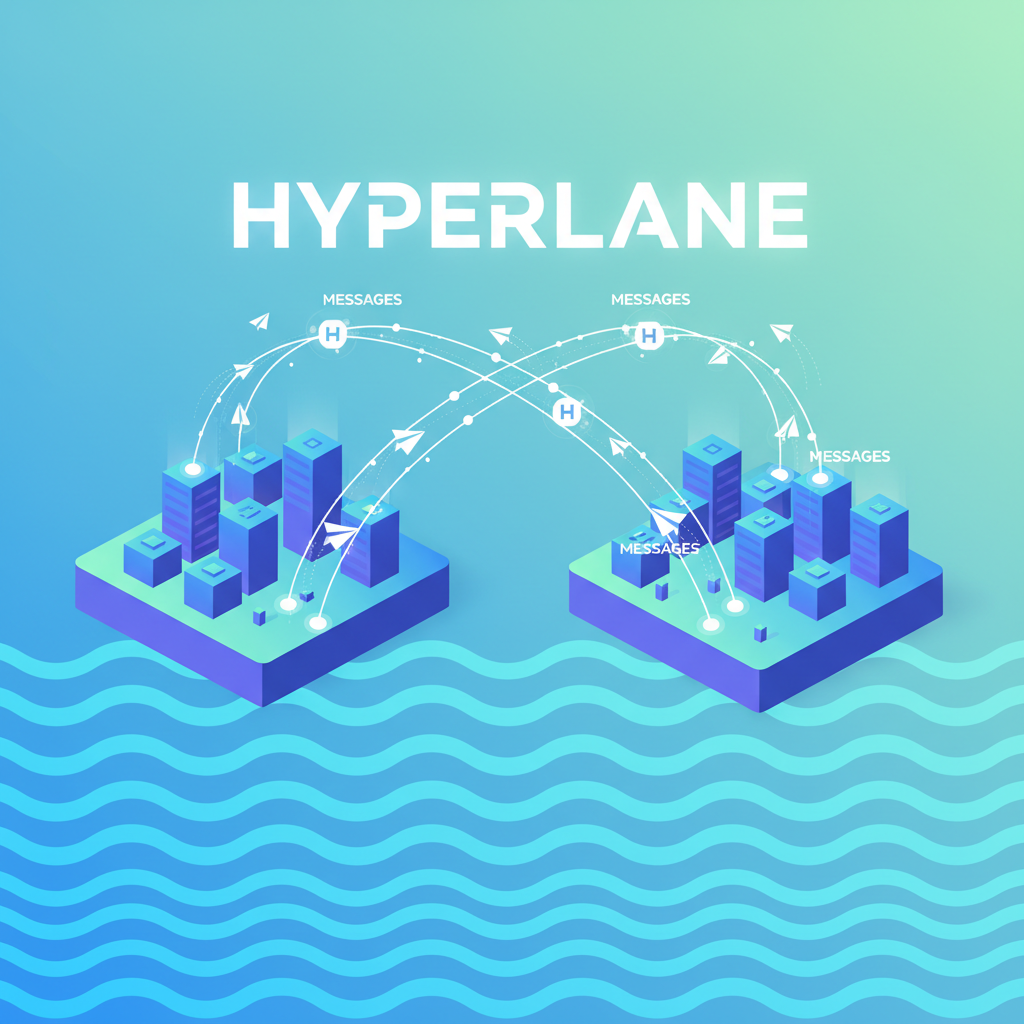
Hyperlane’s permissionless messaging adds cross-chain spice; deploy its primitives sans approval for sovereign interoperability. Uniswap V3’s GitHub deployments offer verbatim scripts for new chains, adaptable to L3s. Boba Network’s guide stresses contract sequencing: factories first, then pools. These forks evolve into full blockchain sovereign starters.
Boilerplate Blueprints: Modular SDKs and Deployment Flows
ChainScore Labs defines Modular SDKs as rollup toolkits; L3 boilerplates extend this with pre-forked op-stack variants, ZK provers, and DA layers. Input Output Group’s PartnerChains vision integrates modular stacks without security trade-offs, a template for your kit. SolidityDeveloper. com’s Remix-for-mainnet mantra applies: manual MetaMask steps ensure control.
MultiversX SDK lets you spin custom appchains scalably; fork, tweak genesis, deploy validators. Opinion: ignore one-size-fits-all; tailor boilerplates to your vertical. Planck₀’s no-friction tools connect hardware natively, while Owl’s frameworks suit advanced devs. From here, script mainnet migrations: anvil for local, then tenderlys for verification.
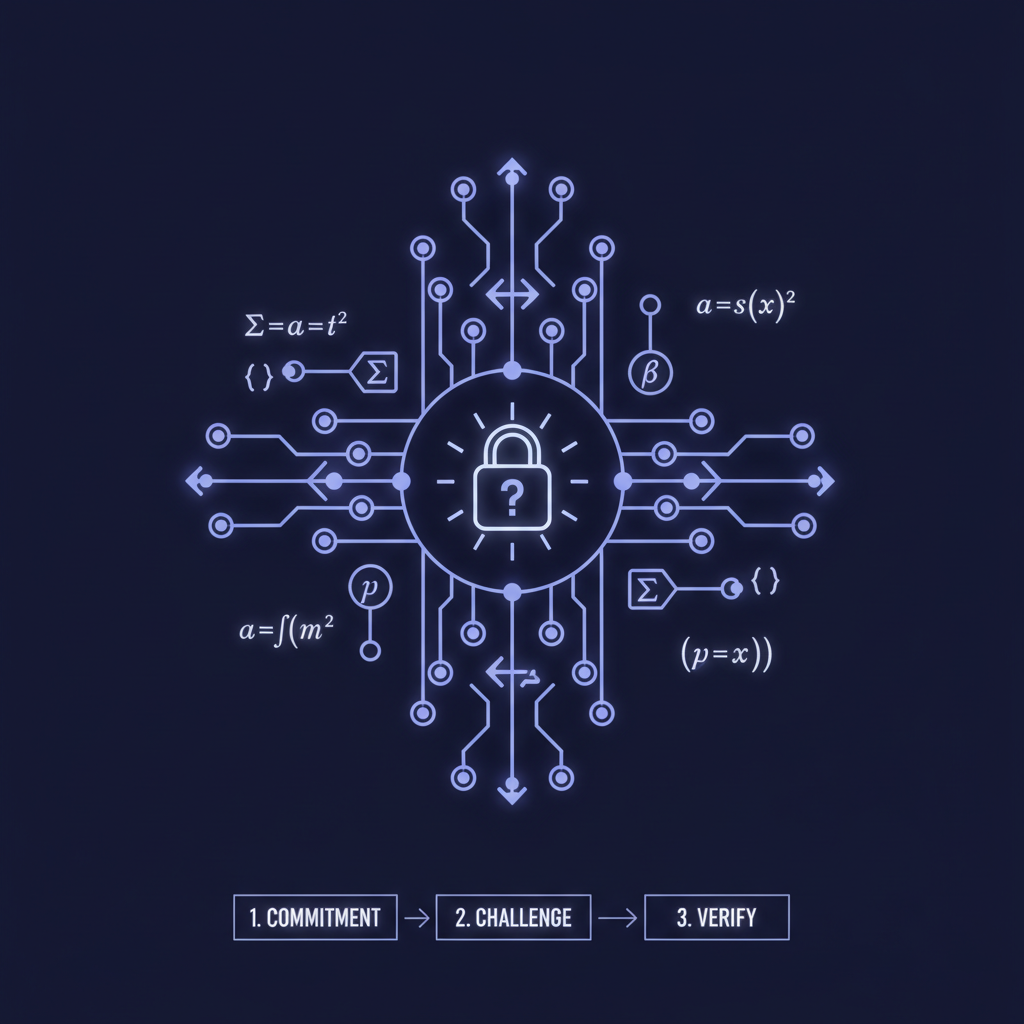
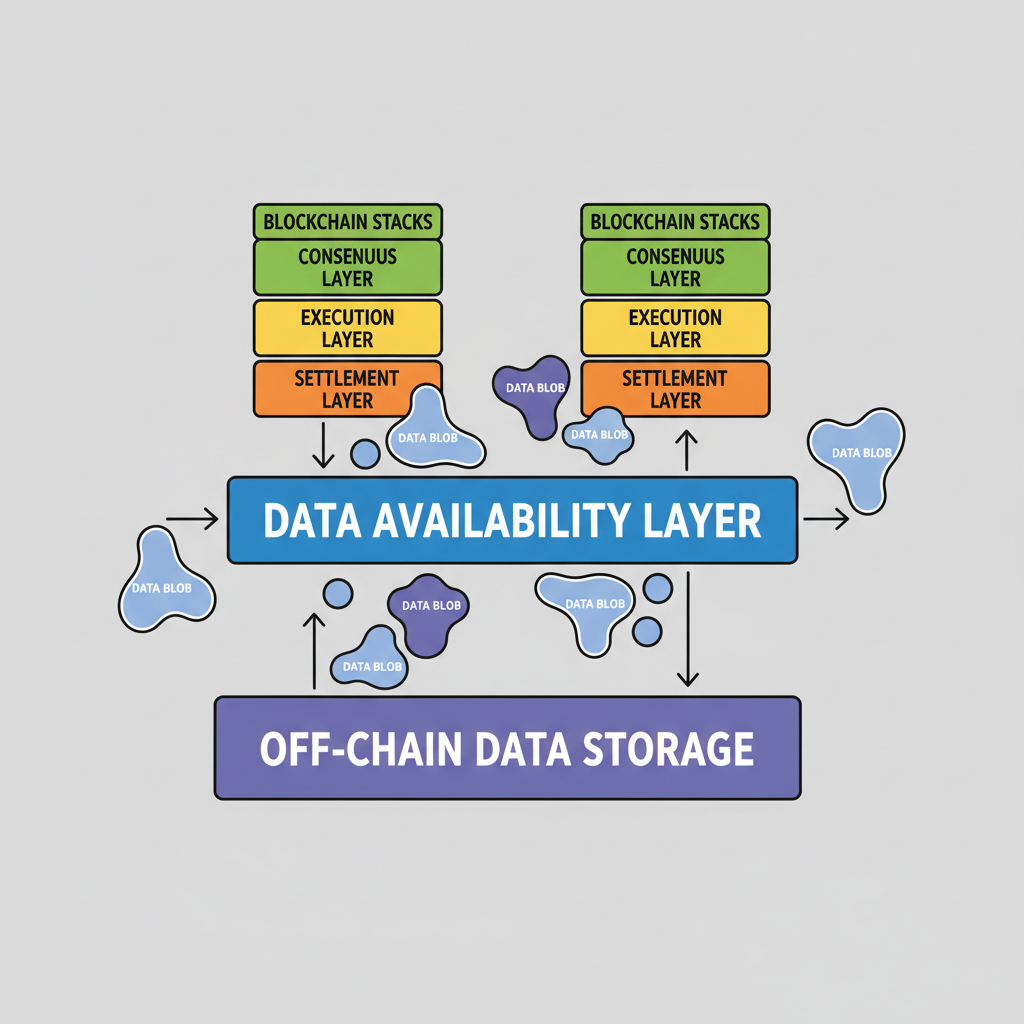
Now, translate these forks into live deployments. Start with testnets mimicking mainnet conditions: deploy your config contracts via Remix for precision, then scale to L2 parents like Base or ZKsync. Lux LP-0011’s tiered chain model guides sovereignty levels; pick L3 for app-specific gas models. Tailor genesis files with custom tokenomics, validator sets from MultiversX MIP-14 patterns. Opinion: boilerplates without modular DA options like Celestia or EigenDA are obsolete; integrate early for cost efficiency.
Launch Your L3 Sovereign Chain: Fork to Mainnet Guide
Mainnet Ignition: Sequencer Launch and Validator Bootstrap
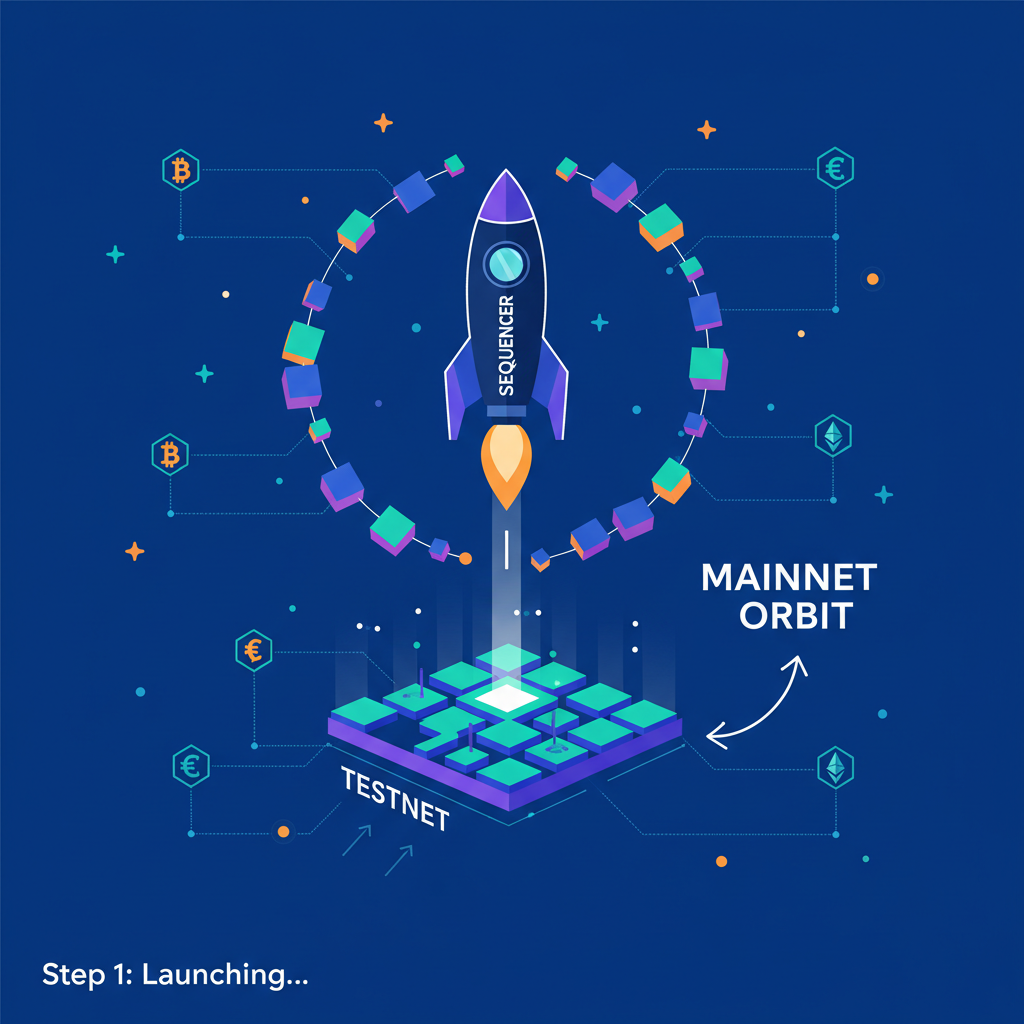
Mainnet demands sequencer resilience; ZK Stack’s hyperchain lessons show shared tokens simplify economics but expose L3-L2 sync risks. Bootstrap validators using forked staking SCs: deploy factory, register nodes, incentivize with emissions. Avalanche9000’s P-Chain decoupling inspires dynamic fees, preventing congestion at launch. For EVM fans, Owl Protocol’s rollup frameworks auto-handle node ops; pair with Hardhat forks for dry runs.
Uniswap V3 deployments teach sequencing: factories precede pools, nonces matter. Adapt for L3: deploy core protocol post-genesis, then bridges. Hyperlane’s permissionless interop slots in seamlessly; any sovereign chain broadcasts messages sans gatekeepers. Pro move: simulate forkless upgrades like Movement Network’s L1 pivot, testing ZK rollups via Succinct SP1 as Mantle did. These ensure your sovereign rollup mainnet guide withstands scrutiny.
Hardhat Config for Ethereum Mainnet Forking and L3 Sovereign Deployment
To replicate mainnet conditions for L3 sovereign chain development, Hardhat forks Ethereum mainnet, providing access to live balances and contracts. A custom chainId isolates the simulation, while generous account balances support testing. Impersonation of whales in deployment scripts enables realistic funding and staking without personal funds.
require('@nomicfoundation/hardhat-toolbox');

module.exports = {
  solidity: {
    version: '0.8.24',
    settings: {
      optimizer: {
        enabled: true,
        runs: 200,
      },
    },
  },
  networks: {
    hardhat: {
      forking: {
        url: process.env.ETHEREUM_RPC_URL || 'https://eth-mainnet.g.alchemy.com/v2/YOUR_KEY',
      },
      chainId: 901, // Custom chainId simulating L3 sovereign chain
      accounts: {
        accountsBalance: '10000000000000000000000', // 10,000 ETH balance for deployer
      },
      initialBaseFeePerGas: 7,
    },
  },
};

// In scripts/deploy-sovereign-config.js (snippet):
// const whale = '0x1F573D6Fb3F13d689FF44D833B4435b27D33EBbc'; // Example USDC whale
// await network.provider.request({
//   method: 'hardhat_impersonateAccount',
//   params: [whale],
// });
// const whaleSigner = await ethers.getSigner(whale);
// const config = await deploy('SovereignConfig', []);
// await config.connect(whaleSigner).stake(ethers.parseEther('10000'), { value: ethers.parseEther('100') }); // Stake for validator
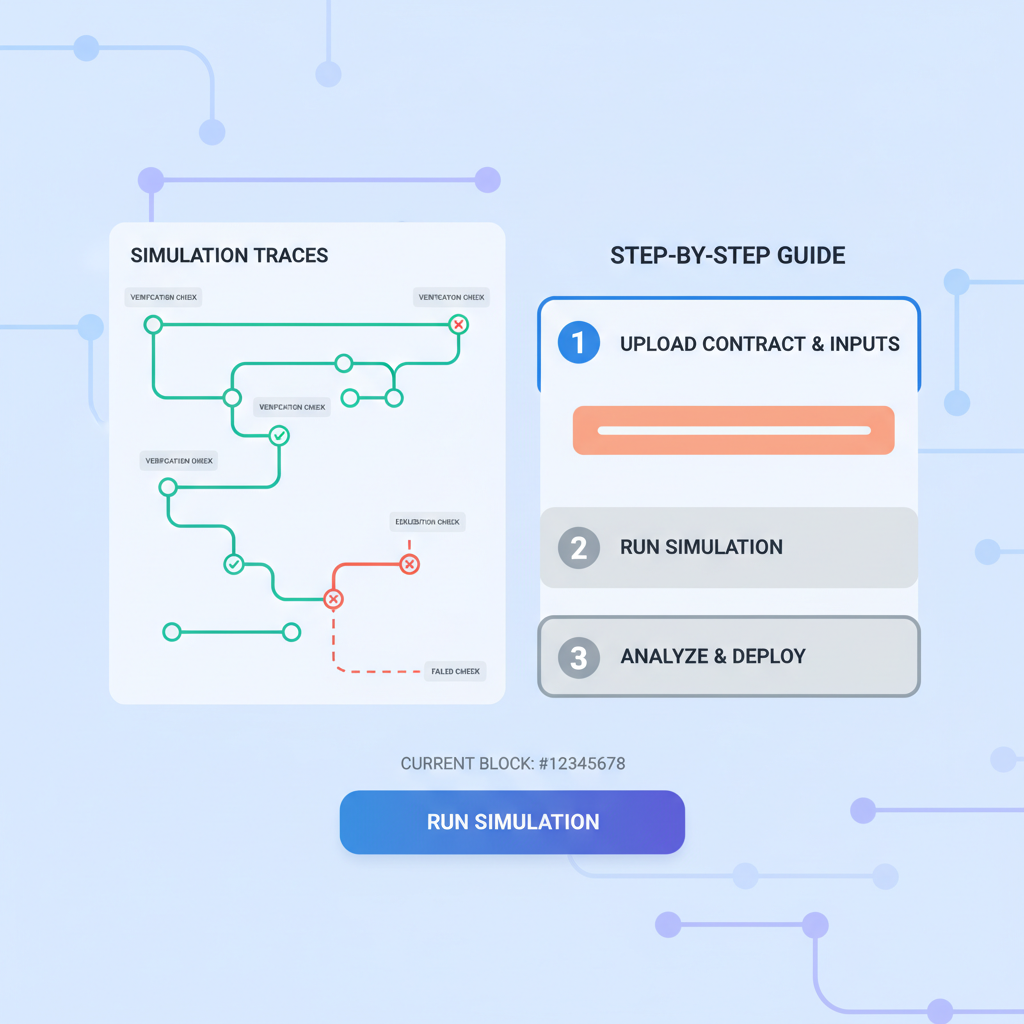
This configuration ensures analytical precision in testing sovereign rollup mechanics. Run `npx hardhat node` to start the forked network, then execute `npx hardhat run scripts/deploy-sovereign-config.js –network hardhat`. Analyze gas costs and state changes to validate validator staking logic before mainnet deployment.
Pitfalls, Polish, and Production Sovereignty
Common traps? Underestimating DA costs or sequencer downtime; Planck₀ mitigates with shared compute, but audit your stack. Fork post-Dencun for blob support, slashing L3 fees. Verify everything on Tenderly or Etherscan equivalents; Uniswap’s GitHub scripts include multicall verifiers. Monitor with price_widget for token launches, though sovereignty shines in non-price metrics like TPS.
SphereOne’s Base L3 testnet validates Conduit infra; replicate for production. Input Output’s modular vision warns against siloed chains; weave Hyperlane early. Opinion: true sovereignty means owning upgrades; avoid L2-tied sequencers long-term. MultiversX SDK’s appchain focus proves dedicated chains crush generalists on latency.
Armed with these L3 chain deployment boilerplate insights, fork confidently. From Hardhat impersonations to validator genesis, your path to a live appchain fork to mainnet is paved. Embrace modularity, test ruthlessly, launch boldly. L3Boilerplate. com kits distill this into deployable starters, accelerating your sovereign empire in blockchain’s next frontier.
L3 Boilerplate Features Comparison
| Framework | Fork Ease | DA Integration | Interop | Mainnet Time |
|---|---|---|---|---|
| ZK Stack | 🟡 Medium | ✅ ZK Native | 🌐 High (Ecosystem) | ⏱️ 4-6 Weeks |
| MultiversX SDK | 🟢 Easy | ⚙️ Configurable | 🔗 Medium (Partners) | 🚀 1-2 Weeks |
| Owl Protocol | 🟢 Easy | ✅ Rollup Native | 🔗 EVM Compatible | 🚀 <1 Week |
| Planck₀ | 🟢 Easiest 🚀 | ⚙️ Fully Custom | 🌐 Seamless | ⚡ Hours |