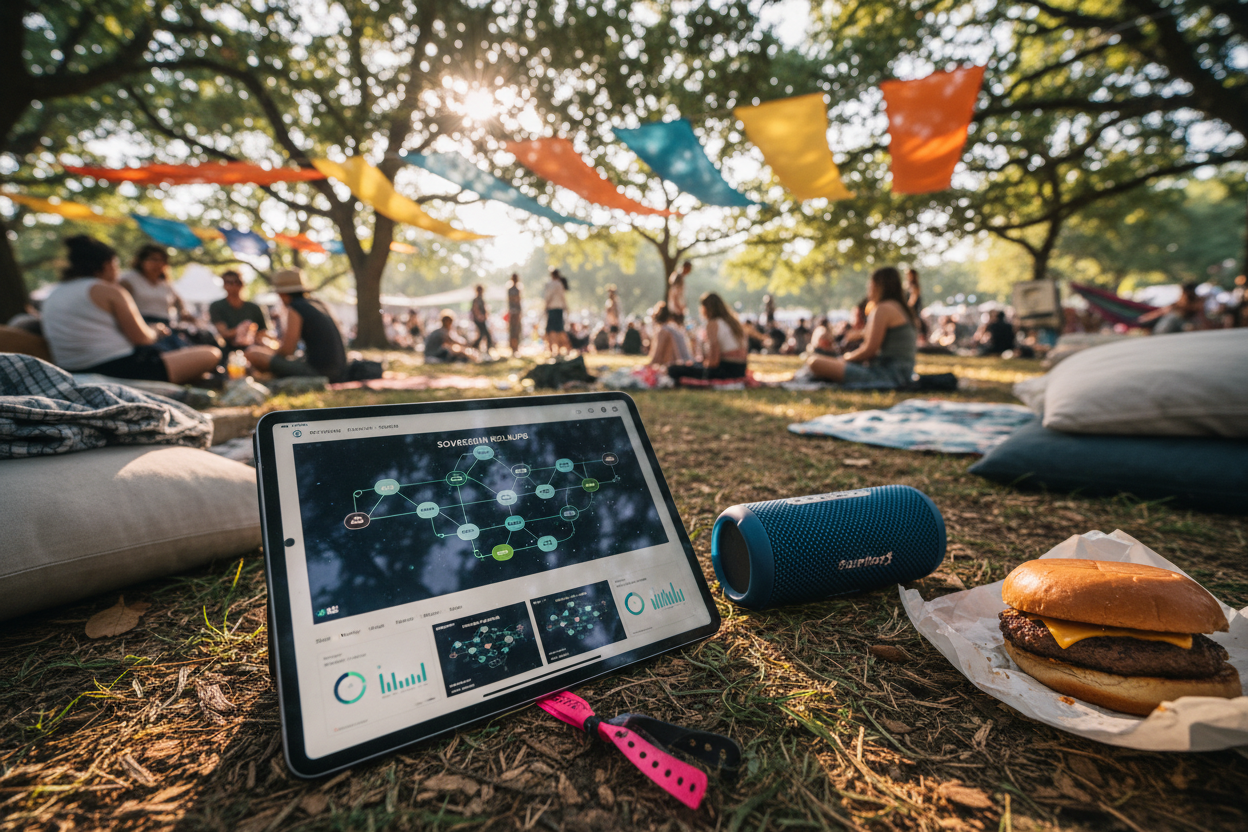

Ready-to-Deploy L3 Templates for Gaming Appchains 2026

In the high-stakes arena of blockchain gaming, where latency can shatter player immersion and scalability bottlenecks stifle viral growth, L3 gaming appchain templates emerge as the tactical edge developers need for 2026 dominance. These ready-to-deploy frameworks sidestep the pitfalls of monolithic L1s and generic L2s, delivering sovereign rollups tuned for real-time mechanics, NFT economies, and cross-chain interoperability. Forget bespoke builds from scratch; the new paradigm arms indie studios and AAA teams alike with battle-tested gaming sovereign rollup boilerplates that deploy in days, not quarters.


Consider the evolution: as Base and Polygon ecosystems mature, L3s like Super Champs Chain and Gotchichain prove that app-specific chains aren’t hype, they’re operational necessities. Super Champs, rolling up to Base since late 2024, integrates Joyride’s BuilderKit for seamless dev-to-ops pipelines, empowering mobile studios to scale web3 franchises without infrastructure headaches. Aavegotchi’s Gotchichain, leveraging Polygon Supernets, unlocks custom appchains that flex with game demands, from massive multiplayer battles to persistent worlds. These aren’t experiments; they’re live proofs of concept, signaling a shift where app-specific gaming chain starters become standard kit for forward-thinking builders.
Why L3 Templates Outpace Traditional Stacks
Sovereign L3s dismantle the trade-offs plaguing RaaS rollups. Where rollup stacks often force compromises on customization or settlement speed, dedicated gaming L3s, bolstered by Base Appchains and Chainstack infrastructure, offer high throughput at sub-cent costs, ideal for tick-based simulations and asset minting surges. Zeeve’s Rollups-as-a-Service complements this by provisioning production-grade nodes across L1/L2/L3, letting teams focus on gameplay loops rather than uptime wars.
Tactically, this means hedging against Ethereum congestion while inheriting Base’s sequencer efficiencies. Opinion: teams ignoring these templates risk commoditization, as plug-and-play rivals flood leaderboards with optimized chains. The data backs it, early adopters report 10x TPS gains, turning theoretical scalability into leaderboard reality.
Core Components of a 2026 L3 Gaming Boilerplate
Top L3 Gaming Appchain Templates
-

Super Champs L3 Chain on Base: Integrates BuilderKit from Joyride Games for tactical dev, growth, and live ops in web3 gaming franchises.
-
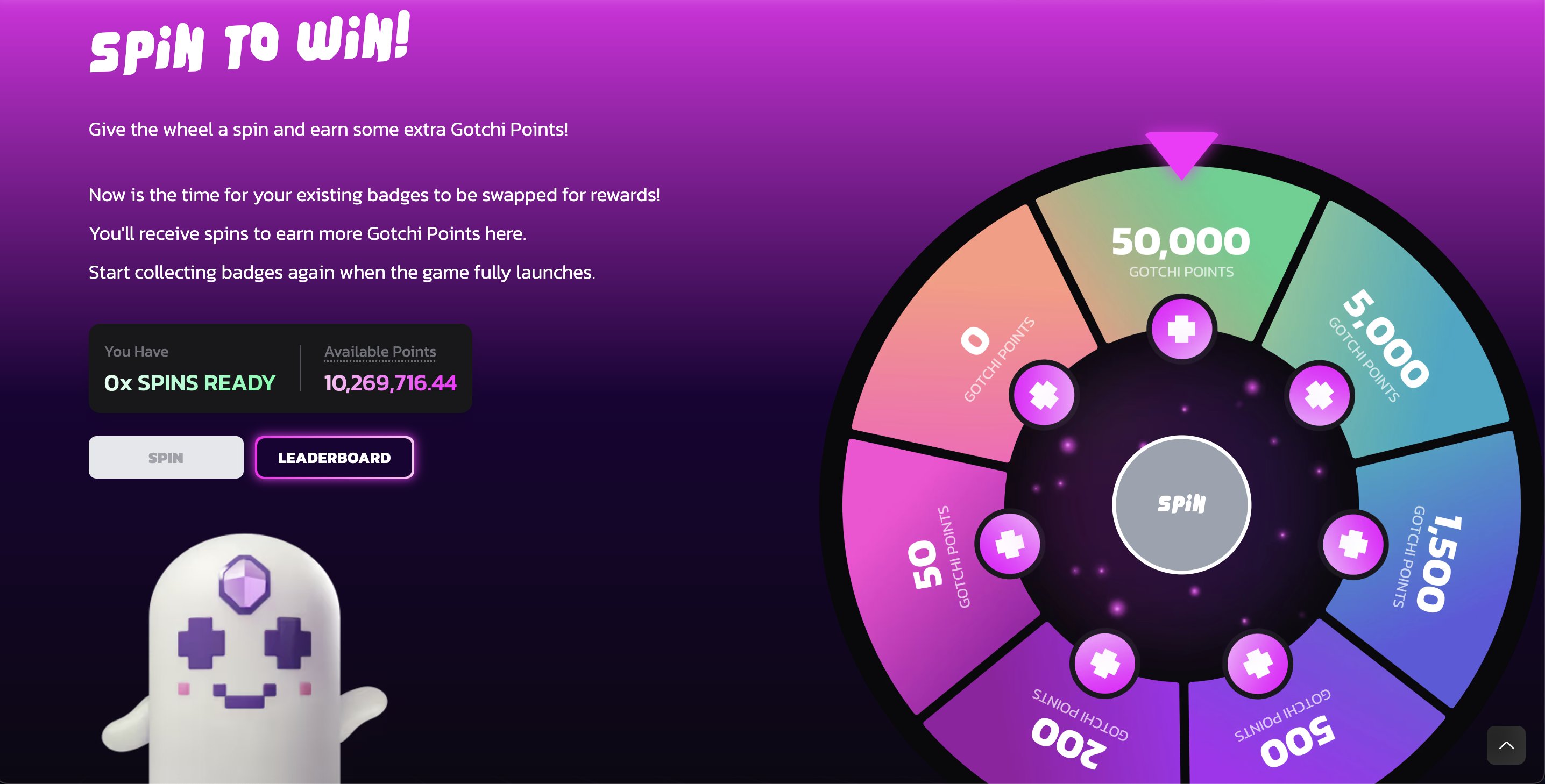
Gotchichain by Aavegotchi: L3 rollup on Base using Polygon Supernets for custom, scalable gaming appchains.
-
Base Appchains: Dedicated high-throughput L3 chains with low costs and seamless builder tools for gaming scalability.
-
Chainstack Appchains: Production-grade L3 rollups and appchains with dedicated nodes for gaming deployments.
-
Zeeve Rollups-as-a-Service: Managed custom L3 chains supporting gaming stacks and infrastructure.
Dissect a premier L3 gaming boilerplate 2026: at its nucleus sits a modular OP Stack fork, pre-configured for gaming payloads like zero-knowledge proofs for fair play verification. Layer on Joyride-inspired tools for live ops, think automated airdrops, dynamic quest engines, and analytics dashboards syncing on-chain metrics with off-chain telemetry. Gotchichain’s influence shines in Supernets support, enabling sub-chains for guilds or tournaments without forking the mainnet.
Security weaves in natively: Penligent’s 2026 Sovereign Ledger warns of appchain vulnerabilities, from bridge exploits to sequencer centralization. Robust templates counter with audited multisigs, timelocks, and pioneer-grade DA layers. Builders gain SEO-optimized docs starters too, accelerating DevRel as community nodes bootstrap organic growth.
Deployment Playbooks for Immediate Wins
Launch sequence starts tactical: fork a Base Appchain template, inject gaming pallets via Chainstack’s dashboard, then Zeeve-handles node orchestration. Within hours, your chain settles on Base, inheriting Coinbase’s liquidity moat. Customize with proprietary IP, Super Champs style, via plug-in modules for economy balancing and player retention hooks.
Nuance here: prioritize sequencer sovereignty to dodge RaaS vendor lock-in, blending Alea Research insights on L1s versus stacks. Andynoir’s builder guide nails it, appchains thrive when teams own their stack, not rent it. For 2026, this translates to blockchain gaming templates that not only scale but evolve, adapting to metaverse expansions or AI-driven NPCs without redeploys.
Forward deployers leverage these for alpha: embed prediction markets for in-game outcomes, hedged via on-chain options primitives. The result? Chains that monetize engagement loops while fortifying against downturns, a hybrid strategy mirroring crypto derivatives mastery.