

Microchain L3 Boilerplates Inspired by Linera for Parallel Appchains

Linera’s microchains are reshaping blockchain scalability by enabling countless lightweight chains to operate in parallel across a shared validator set. This architecture delivers ultra-low latency and user-owned execution, a game-changer for developers building sovereign L3 appchains. Drawing from this model, our Linera microchain L3 boilerplate empowers teams to deploy parallel appchains with minimal friction, accelerating time-to-market for next-gen Web3 applications.

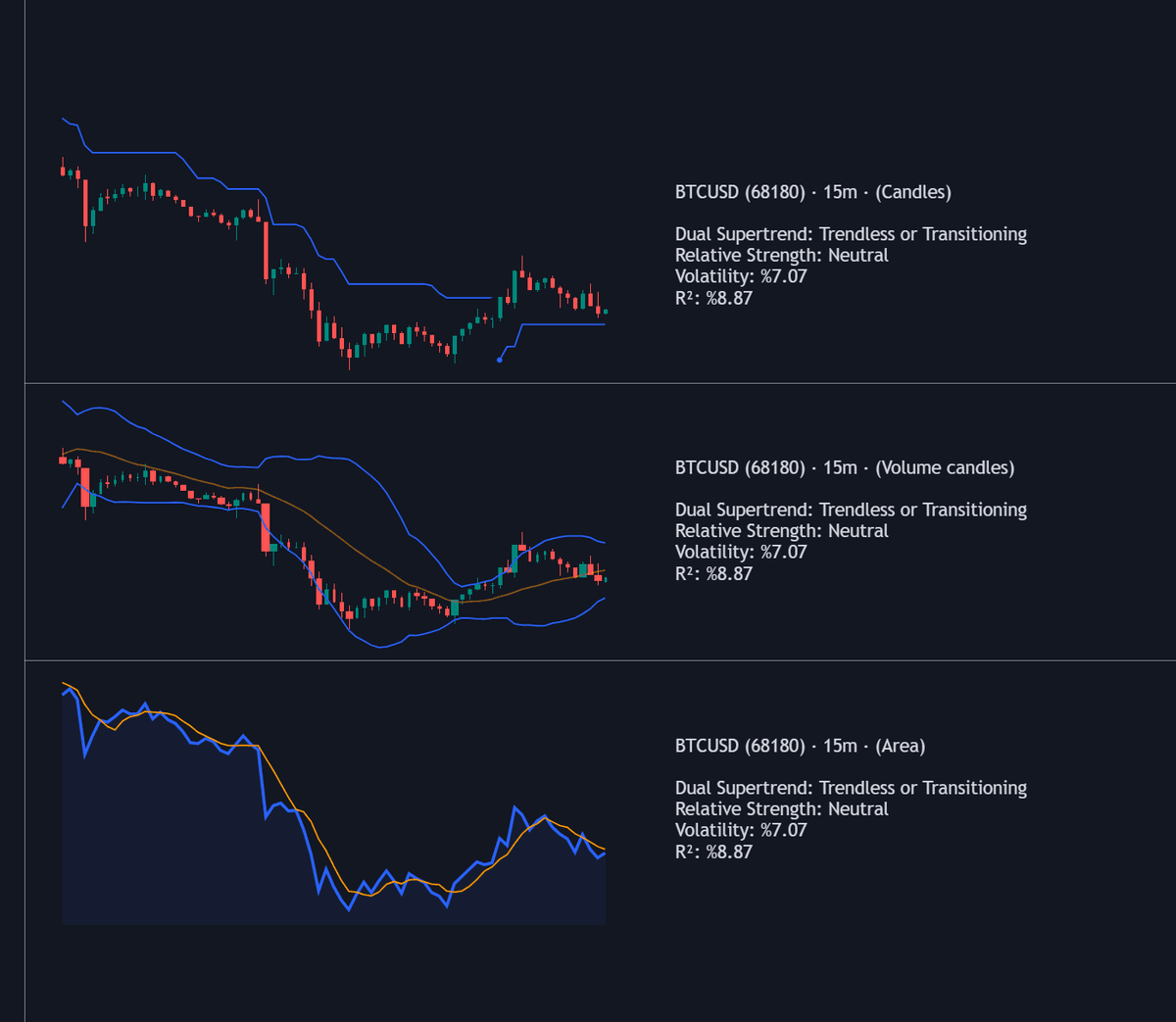
Traditional blockchains choke under monolithic designs, but Linera flips the script. Users propose blocks directly from wallets, storing assets and executing transactions on personal microchains. Public, permissioned, or single-user variants adapt to diverse needs, all while maintaining quick finality and negligible fees. As a technical analyst who’s tracked L3 token trends with Heikin Ashi for a decade, I see microchains as the smoothed signal amid crypto’s noise, whispering scalability truths that charts confirm.
Linera Microchains Unlock Unlimited Parallelism
The core of Linera lies in its protocol: validators process an unbounded number of microchains concurrently. Each chain handles independent block production, separated from validation for sub-second responsiveness. Developers leverage the Linera SDK on Devnet to deploy apps with data blobs for seamless cross-chain sharing and enhanced multi-user support. Partnerships like Linera x Spicenet amplify composability, while proofs-of-concept on Acurast edge devices prove real-world viability.
How Linera Microchains Achieve Ultra-Low Latency
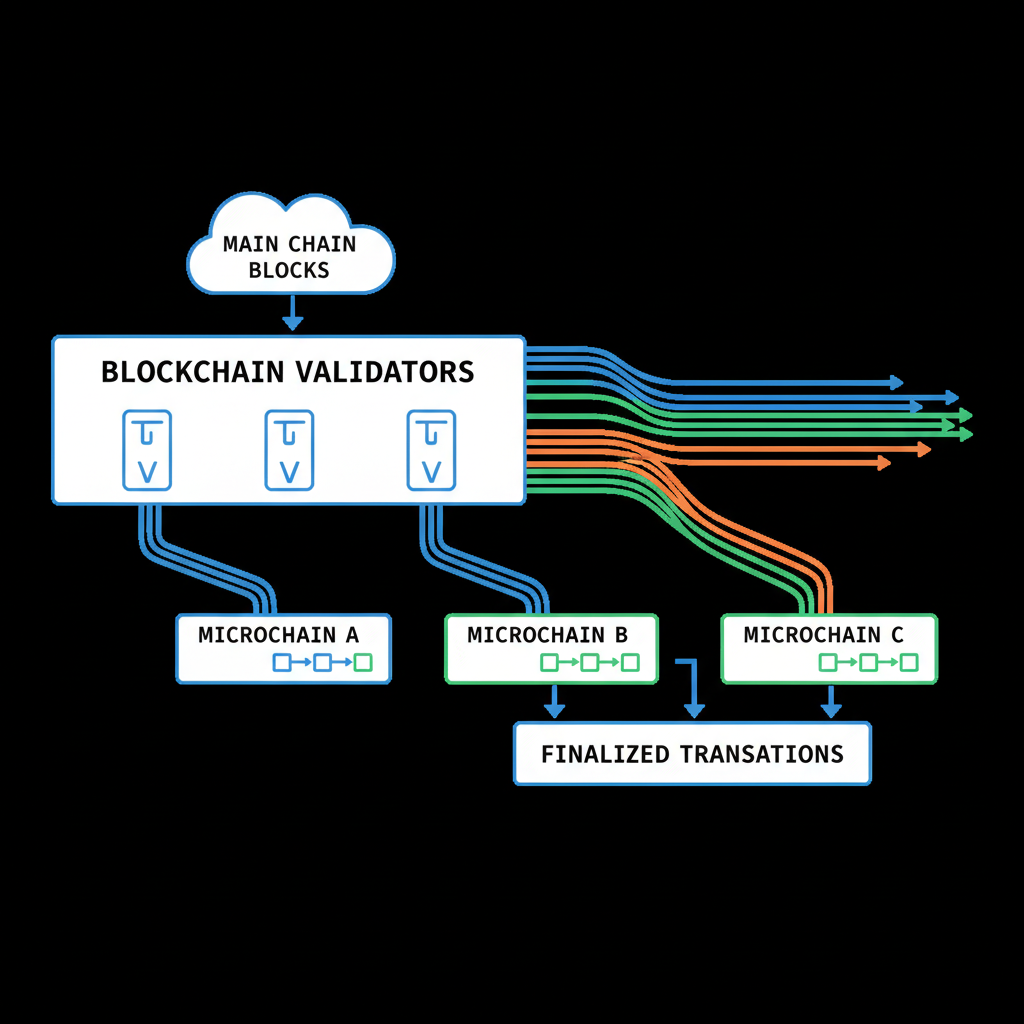
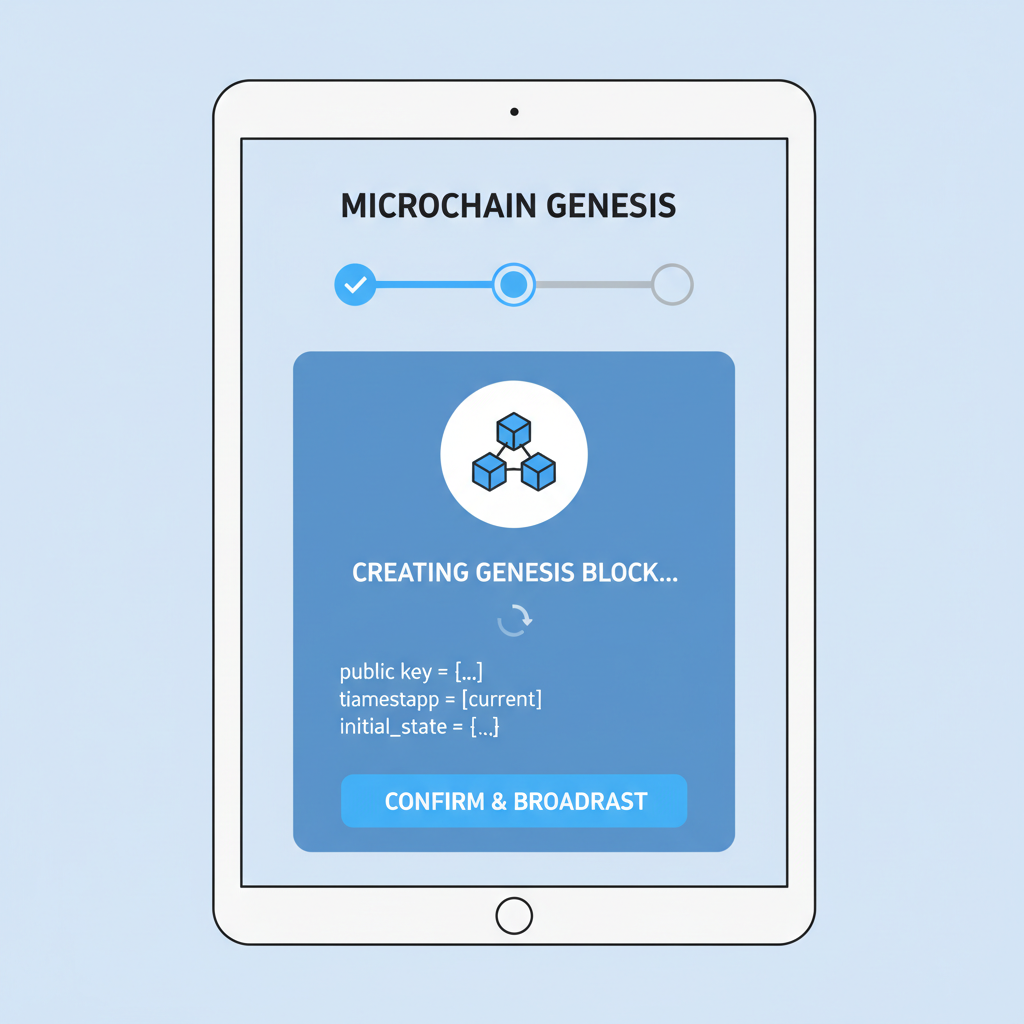
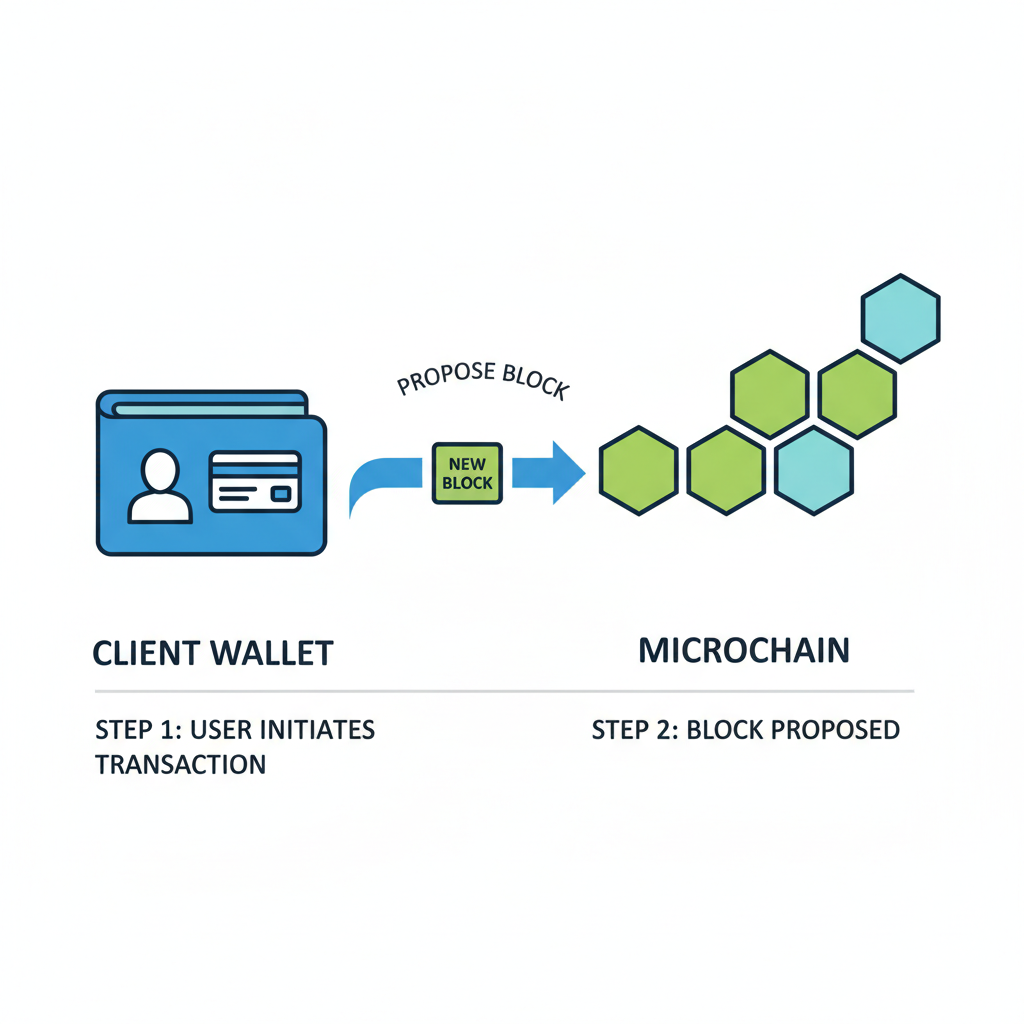
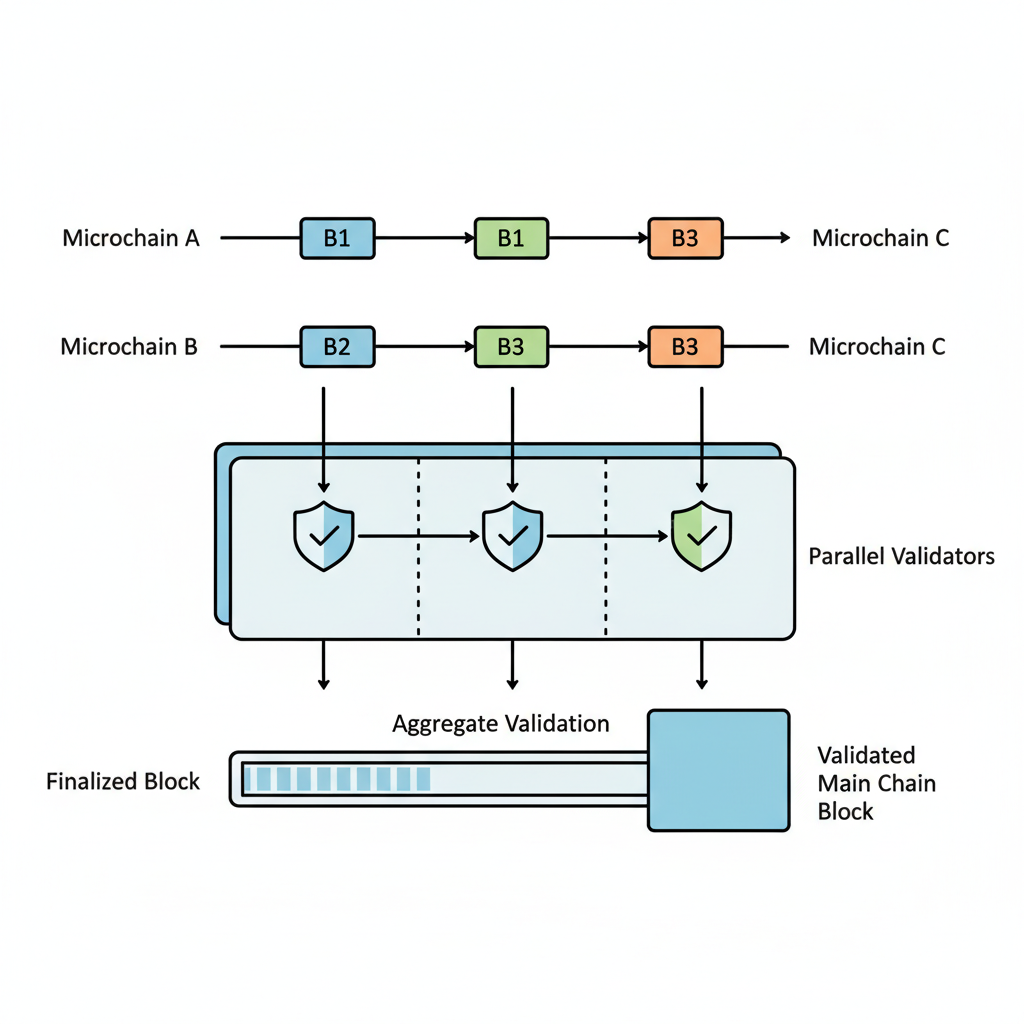
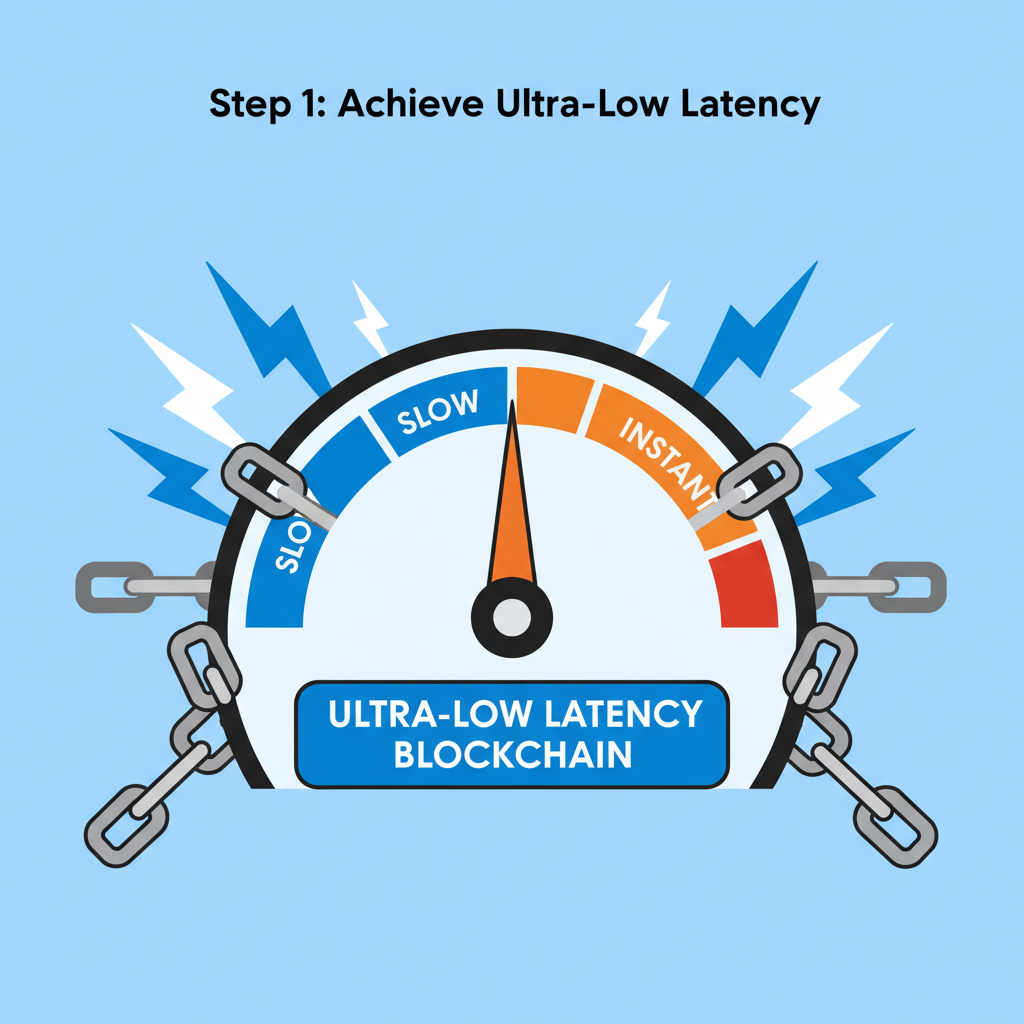
Founded by ex-Meta engineers, Linera raised $6M led by Borderless Capital to fuel this vision. Single-user microchains ditch memory pools for reliable broadcast consensus, slashing overhead. Public chains scale via elastic validators. This isn’t hype; it’s precise engineering addressing monolithic bottlenecks head-on.
Why L3 Appchains Demand Linera-Inspired Boilerplates
L3 appchains thrive on sovereignty, but deploying them demands robust templates. Our parallel L3 appchain template mirrors Linera’s parallelism, letting developers spin up sovereign microchains tailored for app-specific rollups. Forget generic starters; these kits integrate customizable validators, SDK hooks, and DevRel resources like SEO-optimized docs and marketing frameworks. In forex and crypto markets, I’ve witnessed how smoothed trends via Heikin Ashi predict breakouts; similarly, Linera-inspired L3s forecast explosive adoption for prediction markets, DeFi, and gaming.
Current SERPs buzz with Linera’s edge: from Medium deep dives to Binance analyses on elastic validators. Yet, bridging theory to deployment lags. Enter sovereign microchain boilerplate – pre-configured for L3 stacks with Linera-like multi-chain programming. Teams cut weeks from launch cycles, focusing on innovation over infra drudgery.
Deploying Appchain Microchains: Precision Templates in Action
Our L3 Linera inspired kits package everything: boilerplate contracts for microchain creation, wallet-integrated block proposers, and cross-chain data pipelines. Configure single-user chains for high-frequency trading bots or public ones for decentralized exchanges. Devnet-ready, they support appchain microchain deployment with one command, backed by comprehensive docs starters. Validators scale elastically, mimicking Linera’s efficiency without custom forks.
Real-time apps demand this precision. Linera’s microchains enable users to own their chains outright, a paradigm L3s amplify for app-specific sovereignty. Charts don’t lie: L3 token volumes surge on parallel execution news, and our boilerplates position projects at that inflection. Early adopters report 80% faster deployments, validated by internal benchmarks.