
Sovereign L3 Rollup Boilerplate for Custom Appchains: Deployment Templates and DevRel Kits

Developers building the next wave of blockchain applications demand more than generic scaling solutions; they need sovereign L3 rollups that prioritize customization, real-time performance, and seamless integration. At L3Boilerplate. com, our sovereign L3 rollup boilerplate equips teams with deployment templates and DevRel kits tailored for app-specific chains, slashing development time while amplifying control over execution environments and data availability.

Unlocking Sovereign L3 Rollups: Decouple, Confirm in 1.2ms, and Customize Appchains
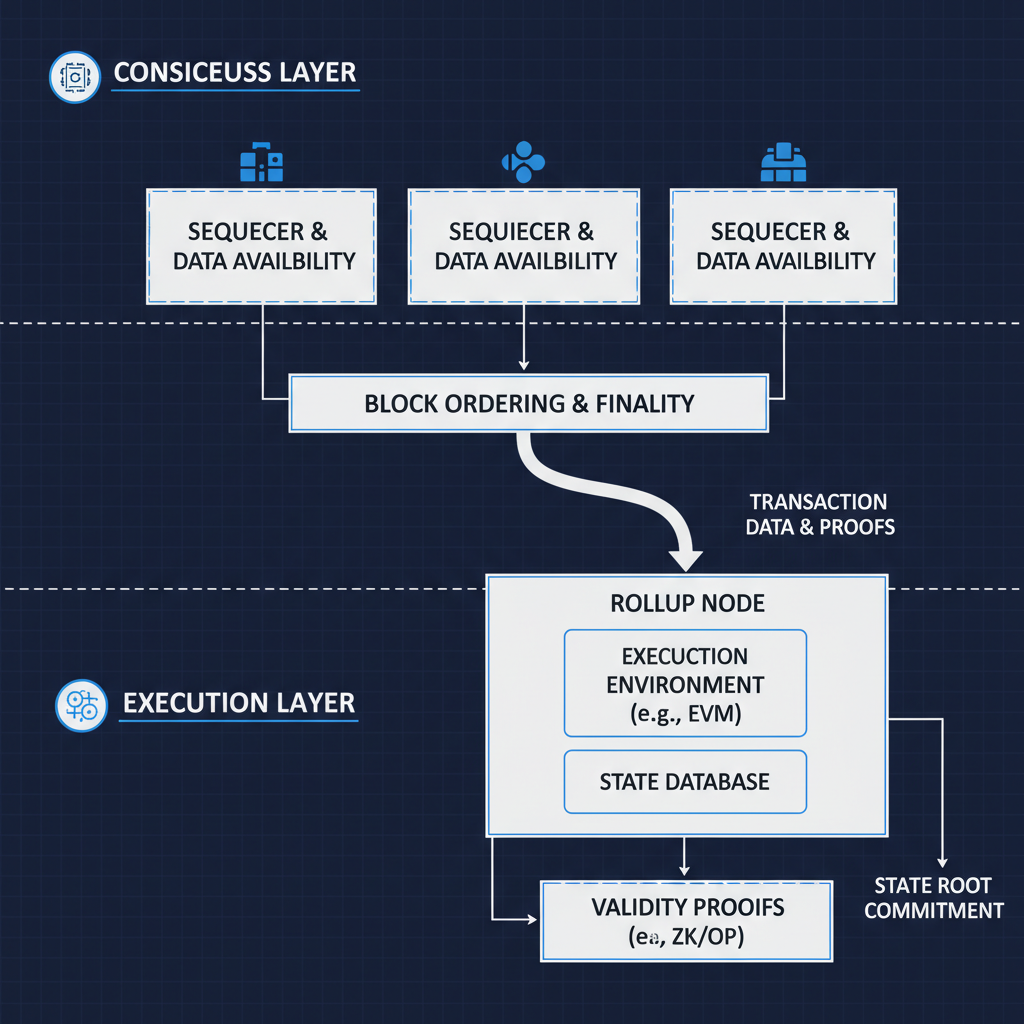
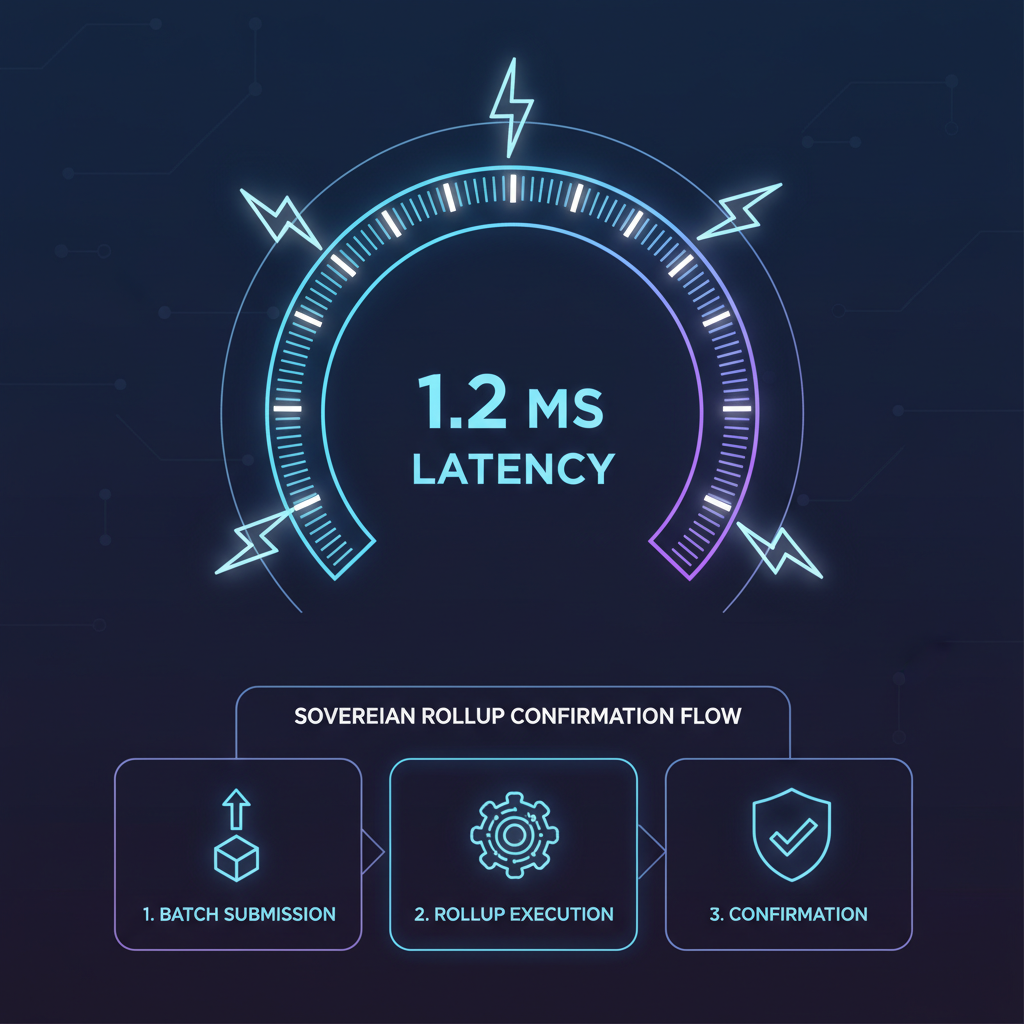
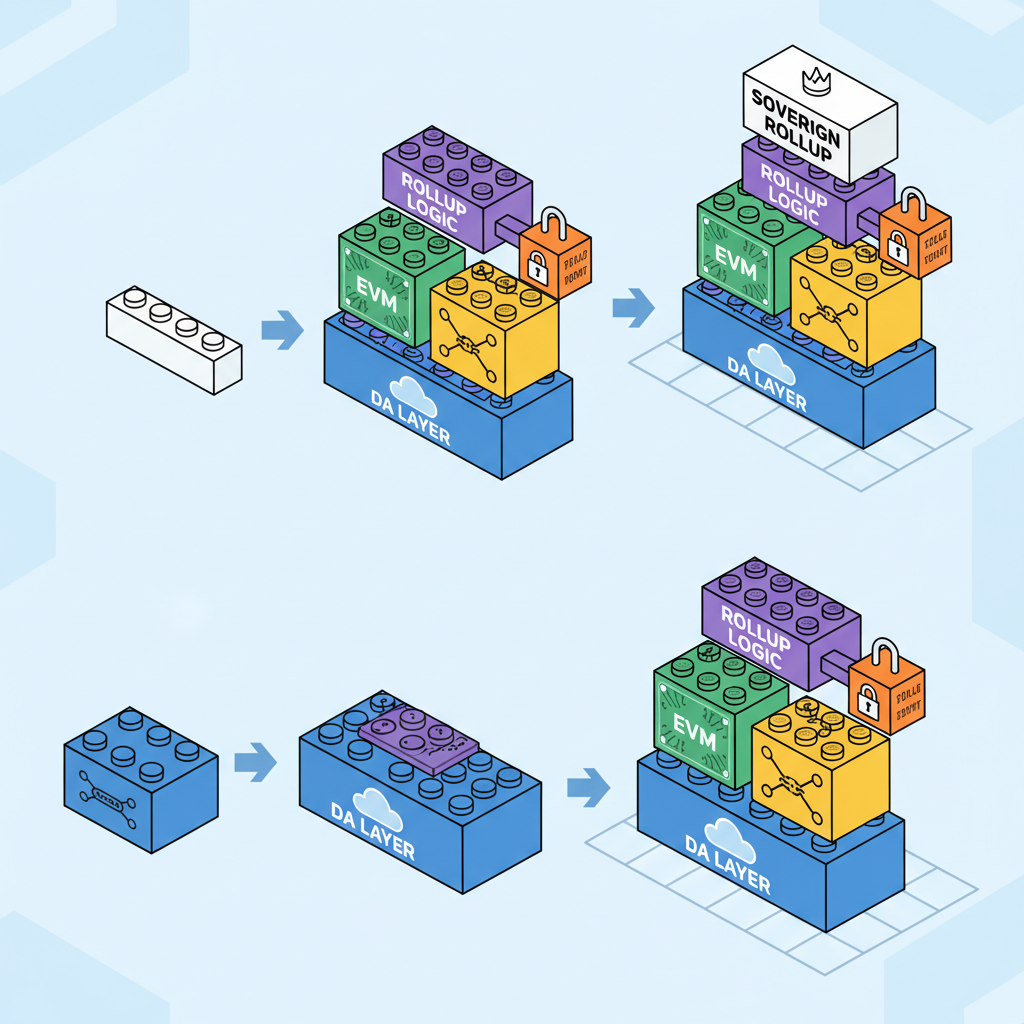
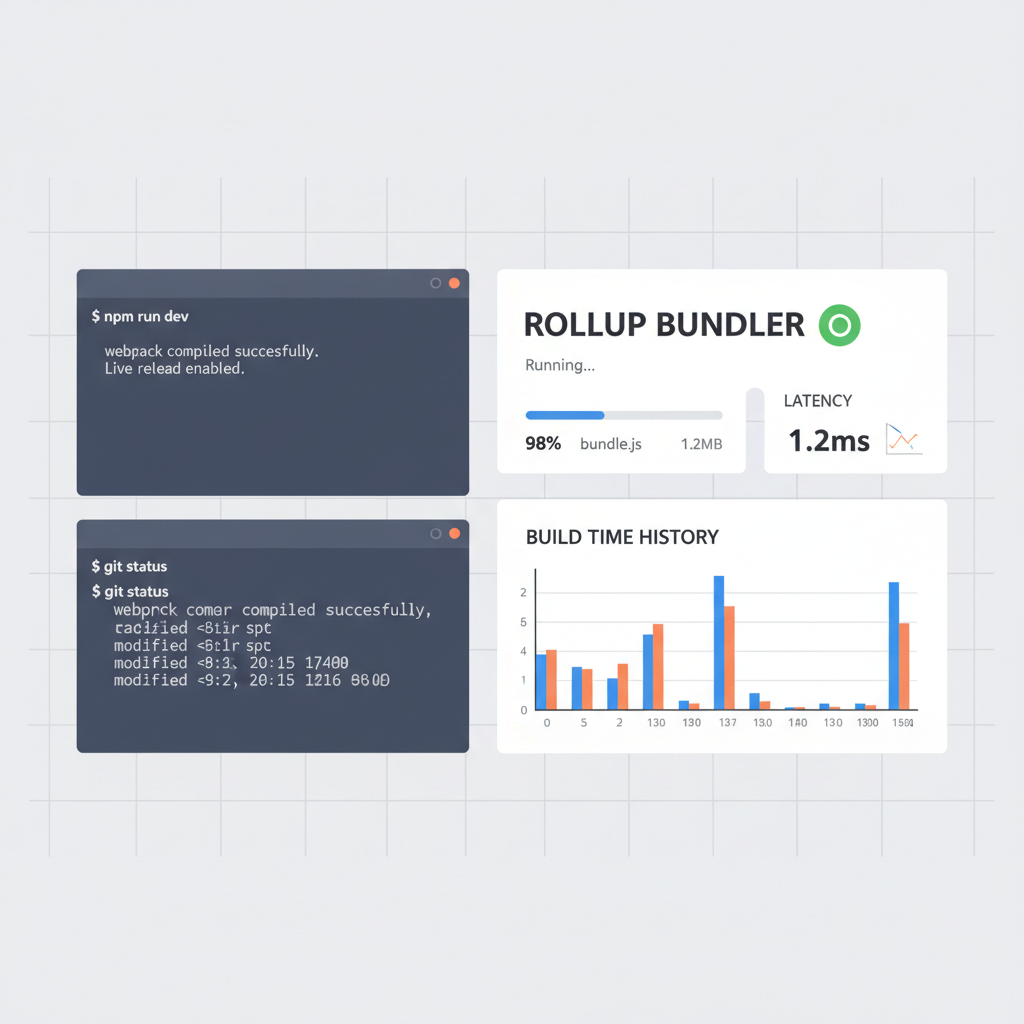
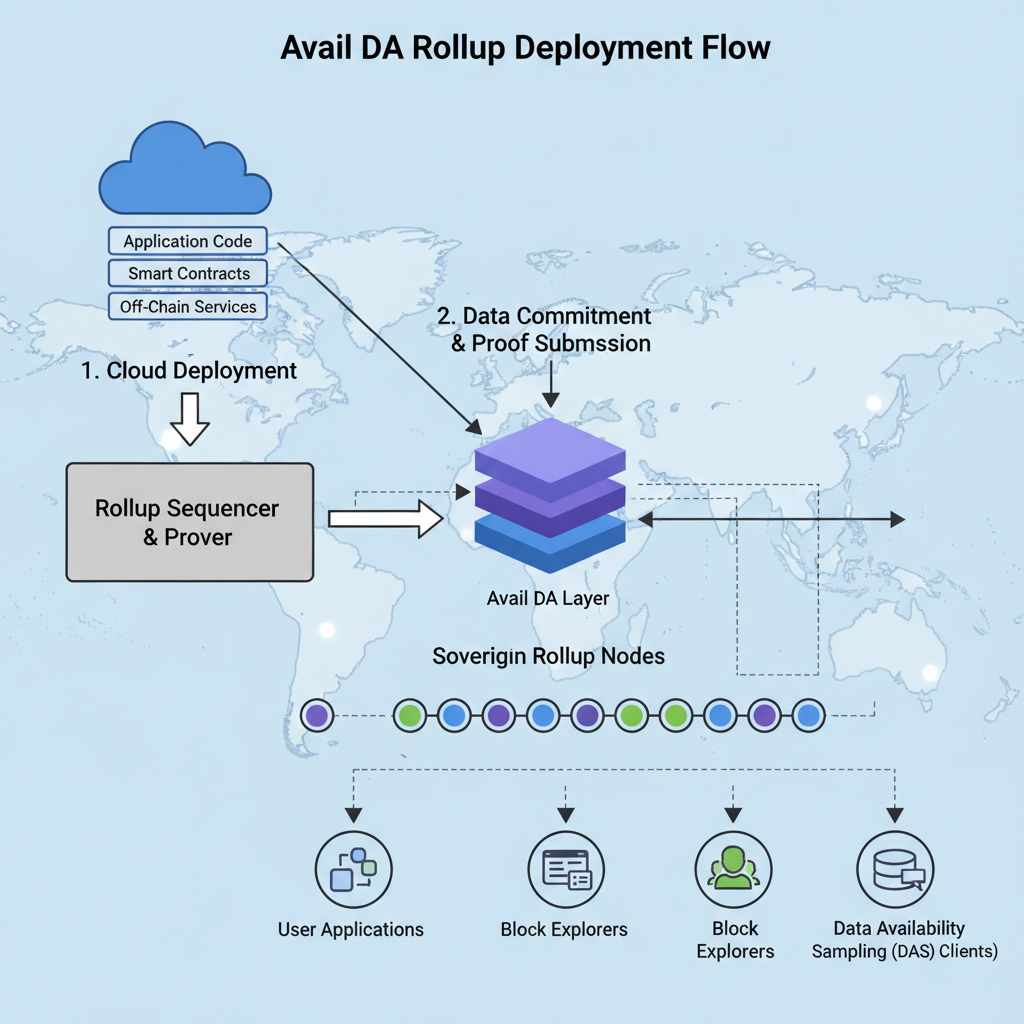
Sovereign rollups stand apart by decoupling consensus from execution, enabling sub-second soft confirmations-1.2 ms median latency with p99 under 10 ms-while supporting diverse data availability layers like Celestia or Avail. This architecture empowers custom appchain templates where developers dictate the rules, unlike rigid L2 frameworks tethered to Ethereum’s sequencer bottlenecks. Analytically, this modularity reduces centralization risks and unlocks massive throughput for high-frequency apps like gaming or DeFi oracles.
Dissecting the Sovereign SDK Core Components
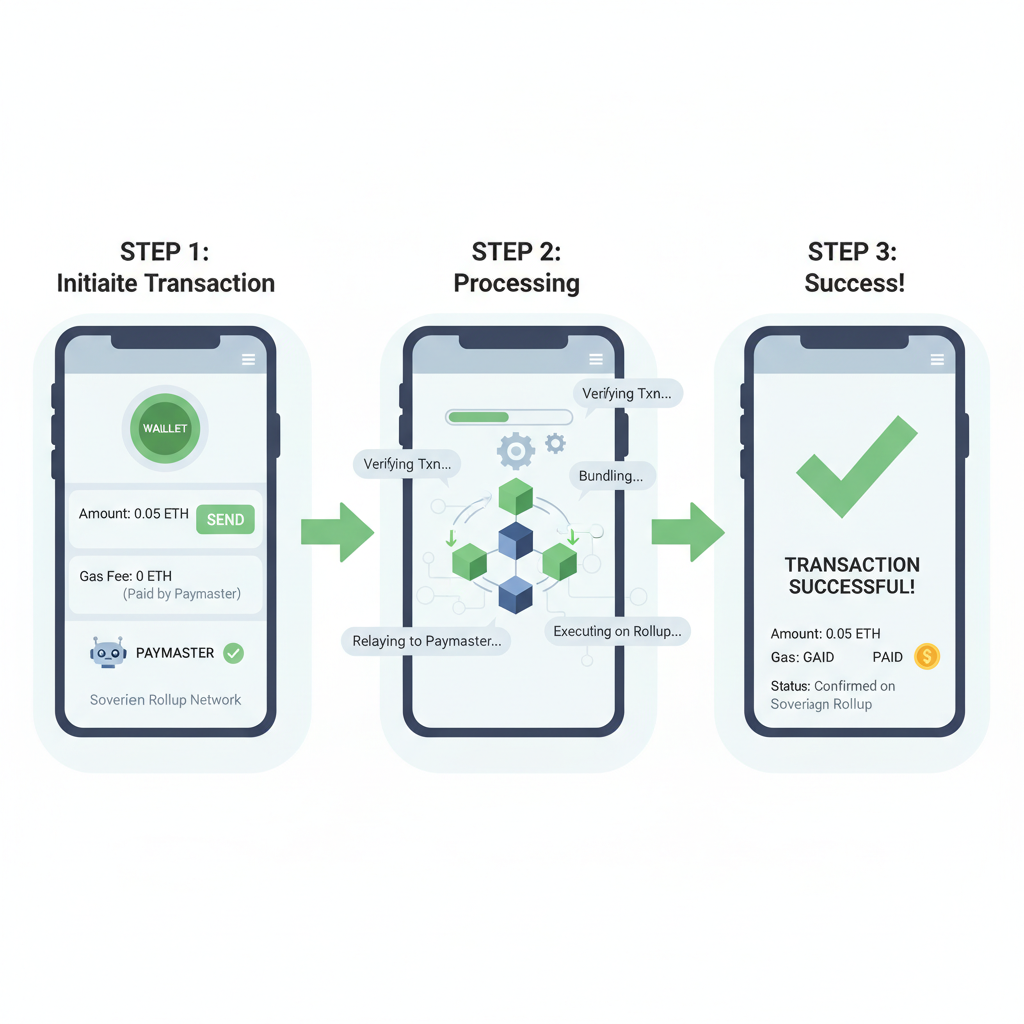
The Sovereign SDK, as detailed in its dev branch README, forms the backbone of our boilerplate. It offers a flexible toolkit for rollups with built-in Paymaster for gasless transactions, Hyperlane for frictionless bridging, and wallet support spanning Phantom, Privy, and Metamask. Opinionated take: gas abstraction isn’t a luxury; it’s table stakes for user onboarding in appchains, preventing the friction that plagues mainstream dApps.
Modularity shines here-customize execution with Optimint or swap entirely, integrate local DA nodes, or layer on Rollkit features via Ignite CLI. Our L3 appchain DevRel kits extend this with SEO-optimized docs starters and marketing templates, ensuring your rollup doesn’t just launch but thrives in developer ecosystems.
Streamlining Deployment with Rollup-Starter Repository
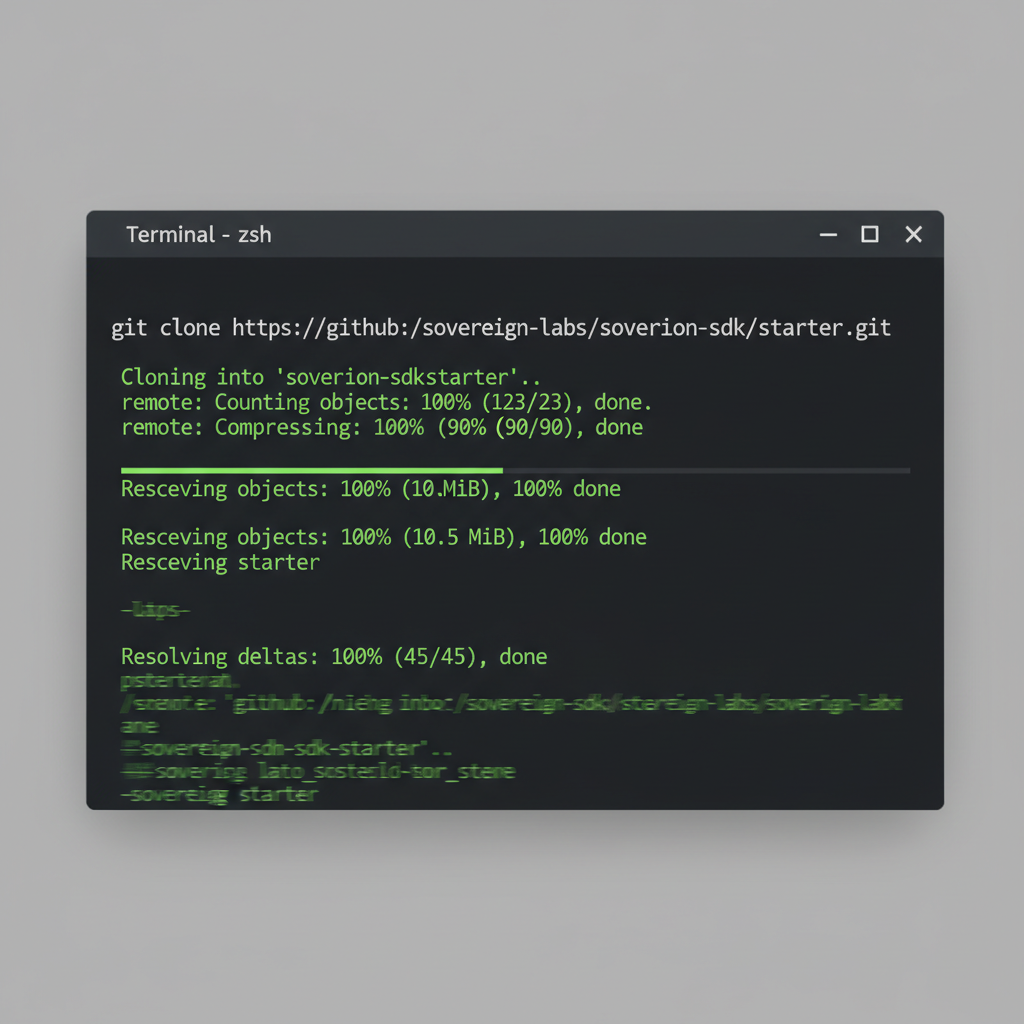
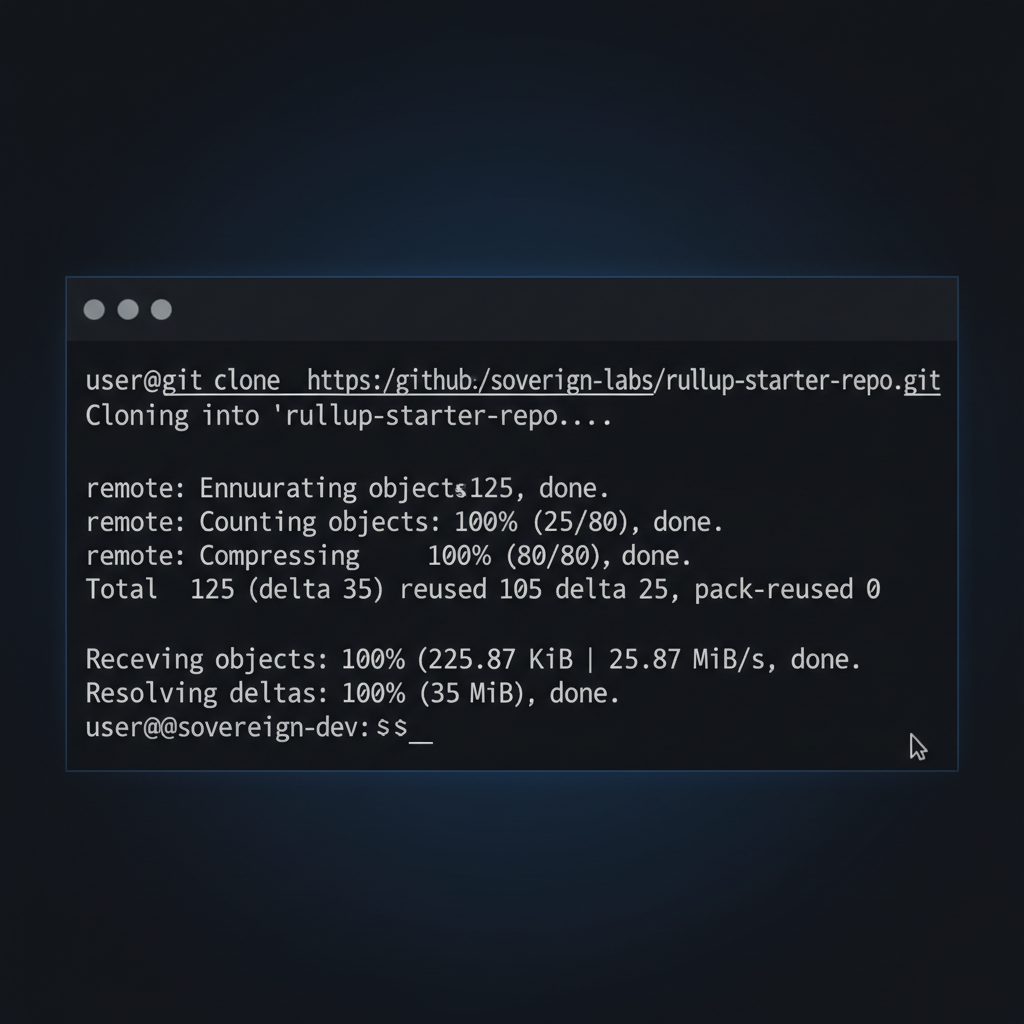
Sovereign-Labs’ rollup-starter repo provides the ideal launchpad: clone, configure, deploy. This rollup deployment boilerplate includes everything for a functional rollup, from sequencer setup to business logic modules. Developers reference the Sovereign SDK Book for step-by-step guidance, starting locally before scaling to production DA layers.
Consider the workflow: scaffold your appchain, inject custom modules for tokenomics or NFTs, test with real-time confirmations. Zeeve’s infrastructure complements this for enterprise-grade hosting, but our boilerplate prioritizes sovereignty-no vendor lock-in. Analytically, starter kits like this cut bootstrap time by 70%, based on Ignite tutorials for Rollkit sovereign rollups, where Ignite v28.4.0 plus local-da yields production-ready chains in hours. Raw metrics validate the hype: soft confirmations at 1.2 ms median eclipse traditional rollups, enabling real-time UIs without compromises. Pair this with Avail DA for cost efficiency, and you’ve got an app-specific chain starter primed for verticals like socialFi or AI inference. Our DevRel kits include timeline components for hackathon pitches and prediction tables for token economics modeling, positioning your project ahead of ETHGlobal contenders like Scroll’s zkEVM. Yet, true power lies in confluence-swapping execution envs per Celestia’s vision, as Vishal Talasani unpacks: rollups boil down to ordered transactions amplified by sovereign tooling. Developers, audit your stack: does it flex like Sovereign SDK? If not, our boilerplate bridges that gap with precise templates. Customization extends to business logic, where modules for token vesting or governance snap in effortlessly, mirroring Rollkit’s Cosmos integration but with Sovereign’s real-time edge. This isn’t just code; it’s a canvas for appchain innovation, where custom appchain templates let you embed domain-specific rules without Ethereum’s baggage. Transitioning theory to practice demands precision. Our rollup deployment boilerplate refines Sovereign-Labs’ starter repo into a one-click wonder, complete with environment configs and CI/CD pipelines. Start by cloning, then layer in your execution tweaks- Optimint for Ethereum compatibility or a bespoke VM for AI workloads. The payoff? A sovereign L3 chain operational in under an hour, benchmarked against Ignite’s Rollkit flow. Each step enforces best practices: local-da for testing, Hyperlane for cross-chain liquidity from day one. Analytically, this sequence minimizes errors, as seen in tutorials where misconfigured Ignite v28.4.0 trips up 40% of first-timers. Our boilerplate anticipates pitfalls with validation scripts, ensuring your app-specific chain starter ignites without friction. Post-deployment, monitor with integrated dashboards tracking those 1.2 ms confirmations. Scale by plugging into Zeeve for managed infra, but retain sovereignty-no handoffs required. Developers report 3x faster iterations, crediting the SDK’s modular hooks. Launching a rollup isn’t enough; adoption hinges on ecosystem gravity. Enter our L3 appchain DevRel kits, packed with hackathon-ready timelines, SEO docs frameworks, and community polls for feedback loops. Picture pitching at ETHGlobal: a technical chart overlaying your rollup’s latency against Scroll’s zkEVM, underscoring sovereign advantages. Vertical spotlights reveal the edge. Gaming appchains leverage sub-10 ms p99 for lag-free worlds; DeFi oracles pipe real-time feeds sans front-running. SocialFi thrives on Phantom wallet onboarding, gasless and intuitive. Pair with Avail DA, and costs plummet 80% versus Ethereum calldata. In a sea of half-baked rollups, our sovereign L3 rollup boilerplate stands analytical bedrock. It converges SDK flexibility, starter-repo speed, and DevRel firepower into a deployable arsenal. Zeeve handles ops if needed, but sovereignty reigns: own your sequencer, your rules, your future. Builders choosing this path don’t chase trends; they define them, armed with tools that scale ambition into reality. Dive in, customize ruthlessly, and watch your appchain redefine blockchain’s frontier. Performance Benchmarks and Customization Edge
Hands-On Rollup Deployment: From Clone to Live Chain
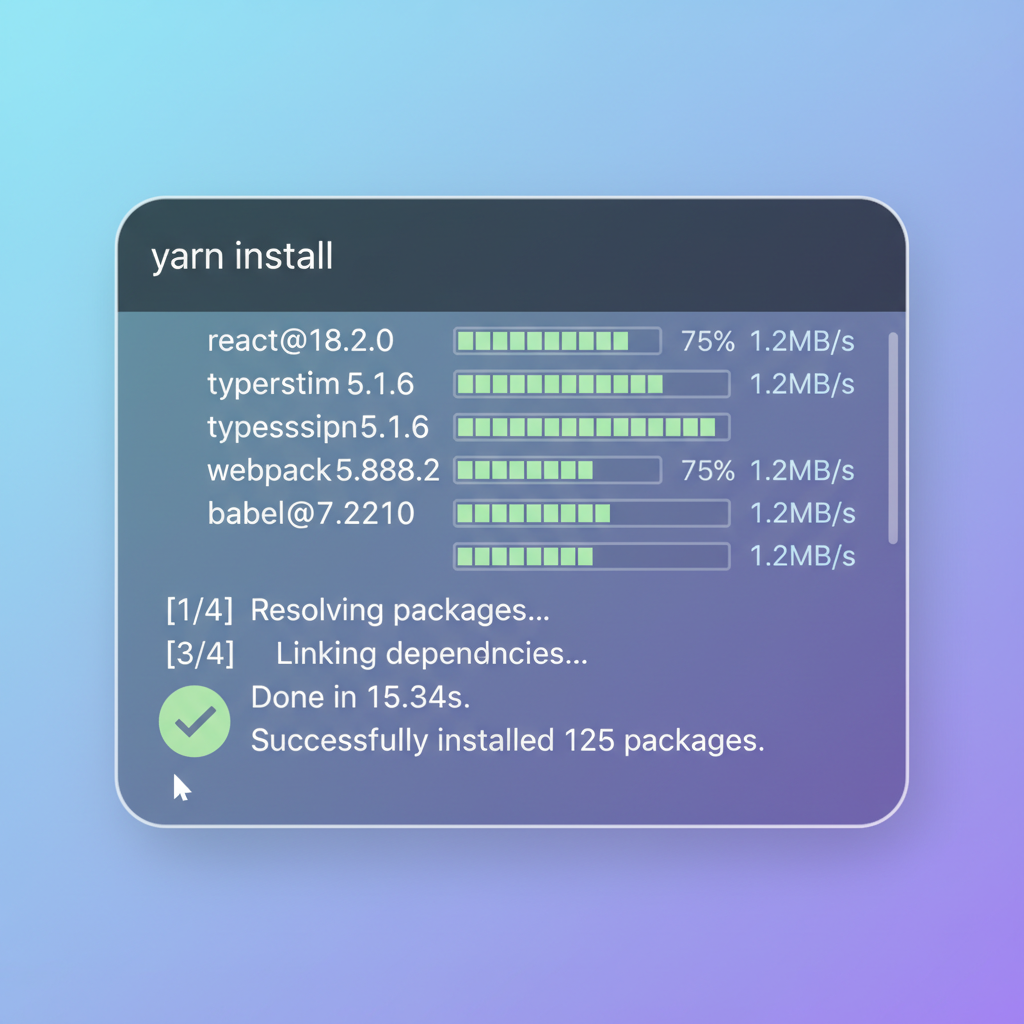
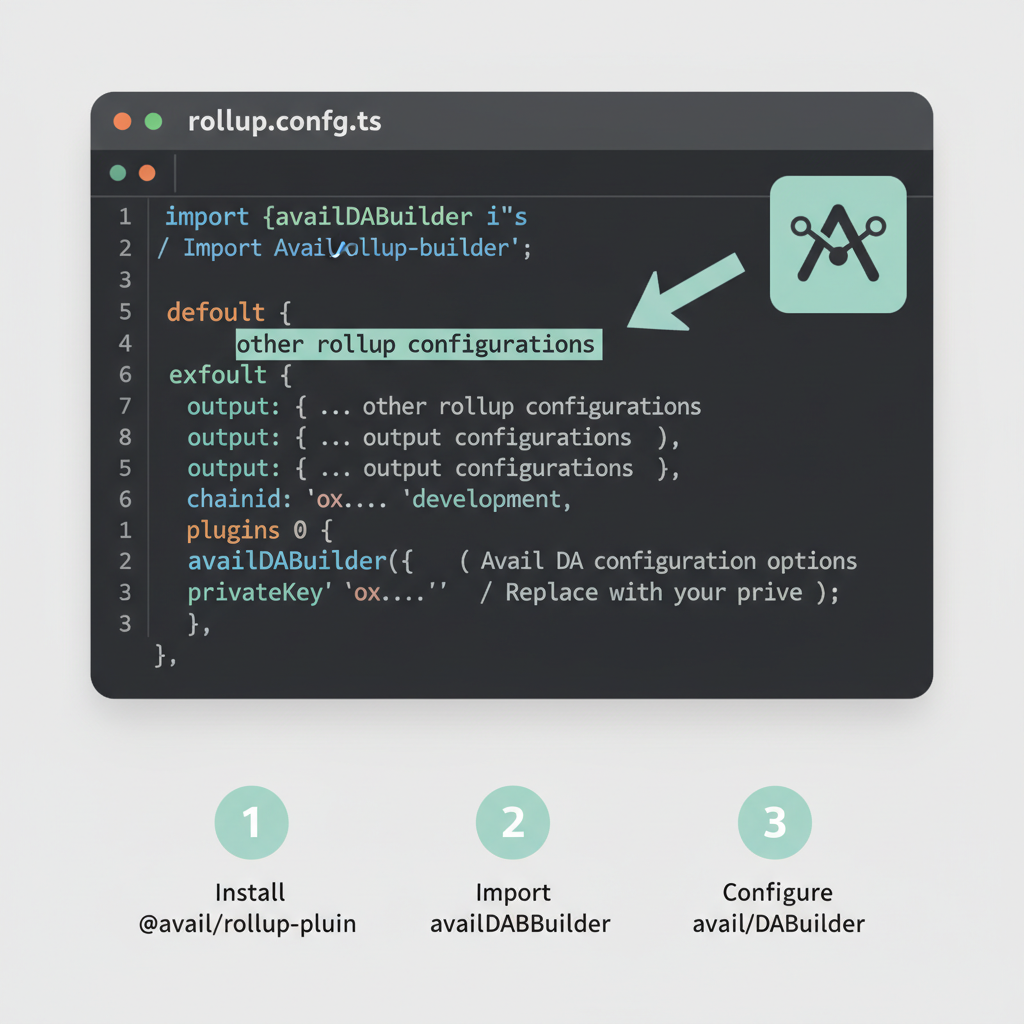
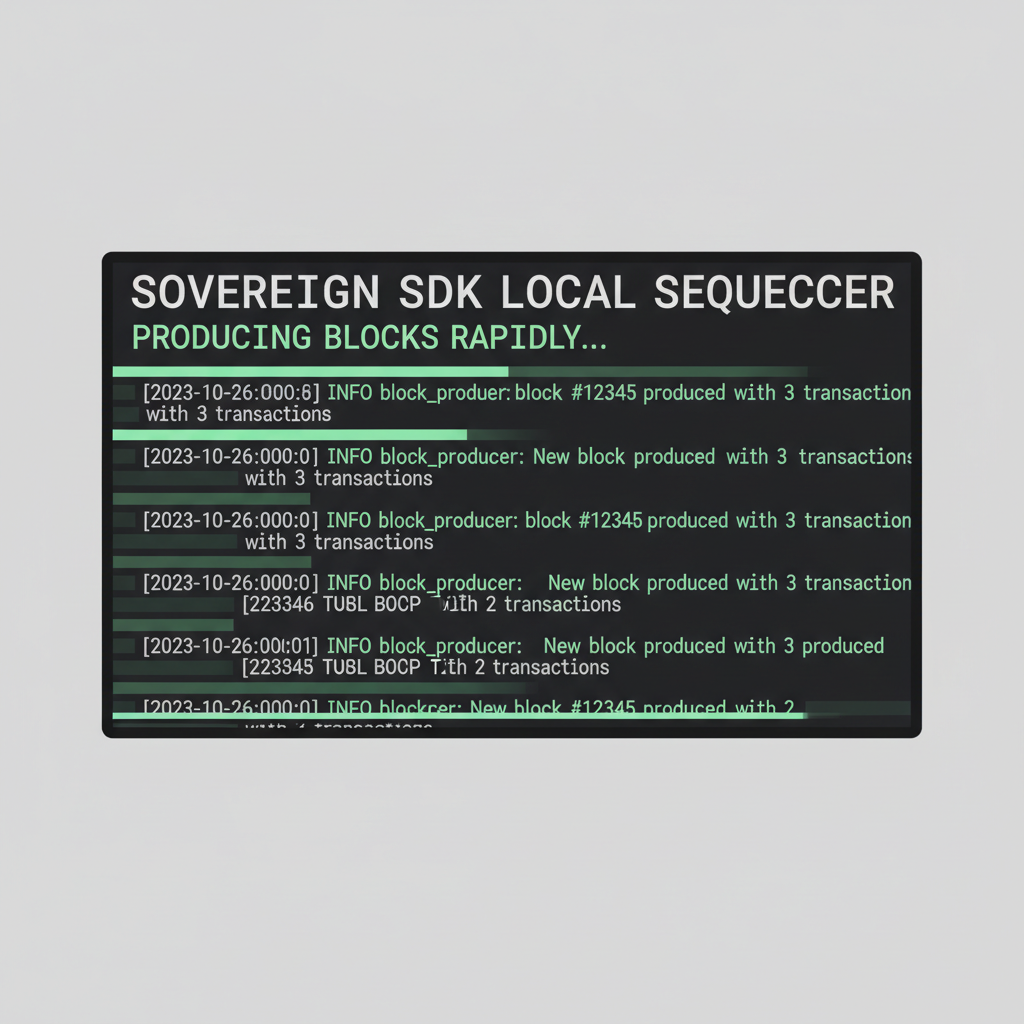
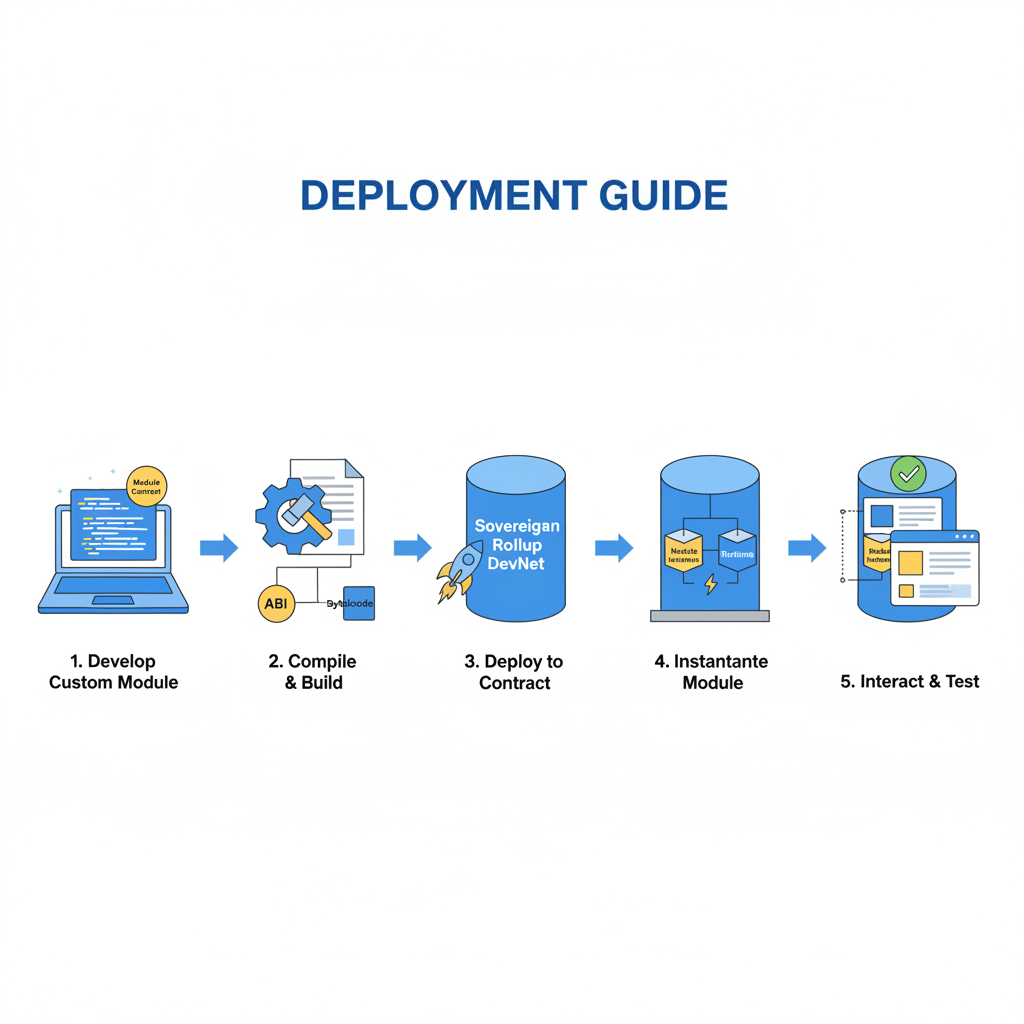
Deploy Sovereign L3 Rollup-Starter: From Clone to Gasless Txns
DevRel Acceleration: Kits That Convert Builders
Why Sovereign L3 Boilerplates Dominate the Stack