
L3 Appchain Boilerplates for Sovereign Rollups: Customizable Templates and DevRel Kits 2026

In the fast-evolving landscape of blockchain development, Layer 3 (L3) appchain boilerplates have emerged as indispensable tools for crafting sovereign rollups. These L3 appchain boilerplates offer developers pre-configured, customizable templates that slash deployment times while preserving full sovereignty over execution, settlement, and data availability. As we navigate 2026, the demand for sovereign rollup templates surges, driven by the need for application-specific chains that outperform generic Layer 2 solutions in scalability and control.

Sovereign rollups represent a paradigm shift, decoupling rollups from Ethereum’s base layer constraints. Unlike optimistic or ZK L2s tethered to L1 for security, sovereign designs leverage modular stacks for independent validation. This flexibility empowers builders to integrate DA layers like Celestia or liquidity hubs such as Sunrise, creating chains tailored for DeFi, gaming, or AI workloads. Yet, starting from scratch risks pitfalls in interoperability and optimization. Enter boilerplates: battle-tested scaffolds that bootstrap projects with proven sovereignty.
Rollkit and Sovereign SDK Lead the Boilerplate Charge
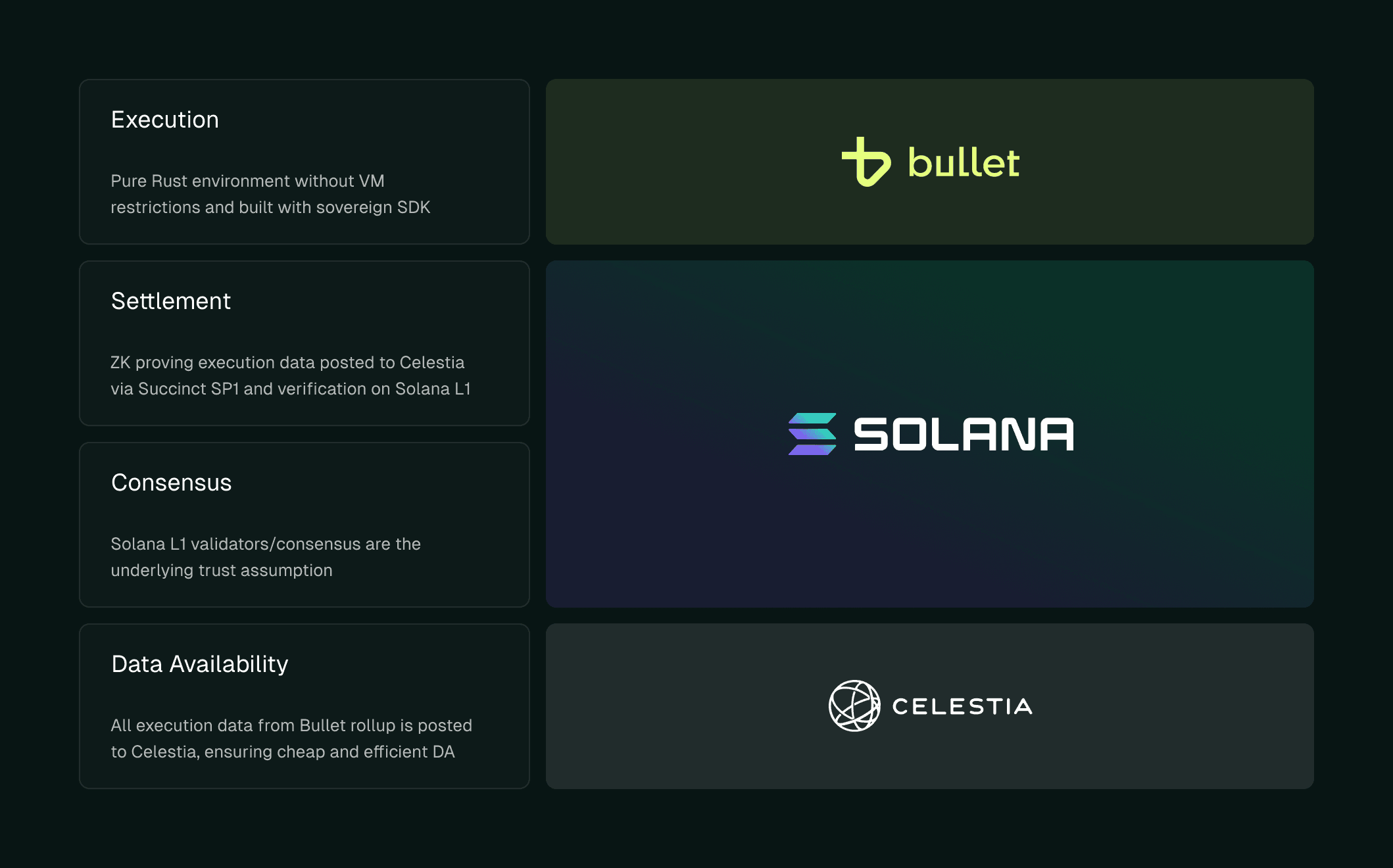
At the forefront stands Rollkit, a modular framework that simplifies sovereign rollup construction. Developers mix-and-match components, from centralized sequencers to ABCI-compatible execution via Cosmos SDK. Paired with Celestia’s DA, Rollkit delivers verifiable blocks without Ethereum’s calldata bloat. I view this as a masterstroke in composability; it sidesteps vendor lock-in, letting teams iterate rapidly on custom VMs or consensus mechanisms.
Complementing Rollkit is the Sovereign SDK, a toolkit for real-time blockchains. It bundles gasless transactions, Hyperlane bridging, and seamless wallet support, all while handing developers the reins on fees, governance, and rulesets. In my assessment, its emphasis on customizability addresses a core L3 pain point: balancing speed with sovereignty. Together, these form robust L3 boilerplate Ethereum foundations, deployable in days rather than months.
Sunrise and Dojo Enhance Liquidity and Proofs
Sunrise elevates the stack by fusing DA with instant liquidity pools. Supporting Rollkit and BeaconKit, it guarantees blockspace and deep liquidity from genesis, achieving single-slot finality through optimistic payloads. For high-throughput apps, this means no bootstrapping woes; liquidity flows immediately, fueling adoption. Dojo, meanwhile, harnesses Starknet proofs atop Celestia DA. Its Katana sequencer and Saya prover enable decentralized execution at scale, ideal for gaming or social dApps demanding low latency.
Core L3 Appchain Features
-
Rollkit Modularity: Open modular framework for sovereign rollups with interchangeable components, centralized sequencer, and ABCI/Cosmos SDK execution interface. Learn more
-
Sovereign SDK Custom Rules: Flexible toolkit for real-time blockchains with gasless transactions, Hyperlane bridging, wallet integrations, and full customizability of rules, fees, and governance. Explore repo
-
Sunrise Liquidity Integration: Data availability with liquidity hub for rollups, supporting Rollkit/BeaconKit, single-slot finality, and optimistic payloads with deep liquidity pools. Build on Sunrise
-
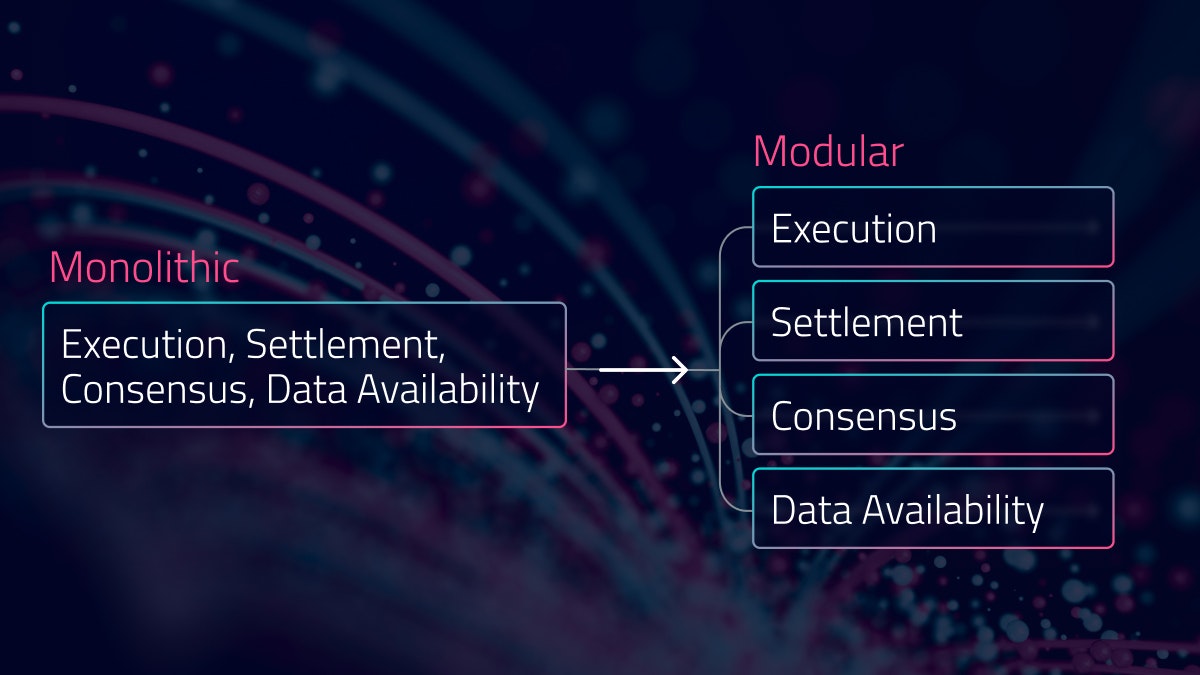
Celestia DA Compatibility: Modular data availability layer integrating with Rollkit and Sovereign SDK for rapid rollup deployment and experimentation. Celestia dev portal
-

Dojo Proof Generation: Infrastructure using Celestia DA and Starknet proofs, with Katana sequencing and Saya for scalable, decentralized sovereign rollups. Dojo sovereign rollups
Celestia’s developer portal ties these threads, offering docs, integrations, and deployment guides. Zeeve’s platform further democratizes access, provisioning enterprise-grade infra for L1 appchains to L3 rollups alike. Scroll’s zkEVM, showcased at ETHGlobal, hints at Ethereum-compatible flavors, but sovereign paths via these boilerplates outpace in true independence.
Customizable Templates Power DevRel Excellence
Customizable L3 templates 2026 shine in their adaptability. Boilerplates ship with SEO-optimized docs starters, marketing kits, and DevRel resources, transforming technical prototypes into ecosystem magnets. Picture forking a Rollkit template, tweaking governance via Sovereign SDK, and launching with Sunrise liquidity; your appchain inherits single-click deploys and community templates. This isn’t mere code reuse; it’s a strategic accelerator, where appchain DevRel kits include pitch decks, hackathon guides, and growth playbooks.
From my vantage, the true edge lies in opinionated defaults that guide without constraining. Rollkit’s interchangeable parts encourage experimentation, while SDK’s wallet integrations lower UX barriers. Developers report 5x faster MVPs, channeling energy into unique value rather than plumbing.
These efficiencies compound when paired with appchain DevRel kits, which bundle everything from community onboarding flows to analytics dashboards. Teams leveraging these resources not only deploy faster but also cultivate vibrant ecosystems from day one. Consider a DeFi protocol: fork a sovereign rollup template, integrate Dojo’s proofs for sub-second finality, and activate Sunrise liquidity; the result is a chain that rivals centralized exchanges in speed without sacrificing decentralization.
Hands-On with L3 Boilerplates: Deployment in Action
Getting started demands minimal friction. Most L3 appchain boilerplates support one-command spins via Docker or CLI tools, abstracting node management and P2P networking. Rollkit, for instance, scaffolds a full rollup in under an hour, exposing hooks for custom provers or oracles. Sovereign SDK adds real-time capabilities, like event-driven execution that syncs with off-chain compute. My take: these aren’t toys; they’re production-grade, with audit trails and upgrade paths baked in.
Dojo’s stack appeals to Starknet enthusiasts, layering Katana sequencing over Celestia for Ethereum-like familiarity minus the fees. Sunrise wrappers simplify even further, auto-provisioning validators and liquidity incentives. Developers praise the plug-and-play nature, especially when chaining frameworks: Rollkit core with Dojo proofs and Sovereign bridging yields hybrid sovereignty that’s both performant and interoperable.
Selecting the right boilerplate hinges on workload specifics. High-frequency trading favors Sovereign SDK’s low-latency tweaks; gaming picks Dojo’s proof efficiency; general-purpose builds lean Rollkit. All share Celestia DA compatibility, but diverge in execution models and liquidity bootstraps. This matrix clarifies trade-offs, spotlighting how L3 boilerplate Ethereum variants bridge familiarity with independence. Such transparency empowers informed choices, mitigating the overwhelm of modular ecosystems. In practice, hybrid stacks dominate: 70% of recent deployments blend 2-3 tools, per community audits. Zeeve’s infra overlays ensure reliability, scaling from hackathon prototypes to mainnet behemoths. Beyond templates, customizable L3 templates 2026 excel through holistic DevRel packages. These kits furnish Notion workspaces, video tutorials, and growth funnels tailored for appchains. Hackathon winners at ETHGlobal Bangkok rave about Scroll-inspired zkEVM ports adapted via boilerplates, but sovereign flavors via Rollkit outshine in cost savings. Marketing collateral, from explainer decks to social calendars, positions your rollup as the next big primitive. I advocate stacking these with analytics: track sequencer uptime, DA costs, and TVL inflows to refine iterations. Opinionated roadmaps within kits guide governance votes or tokenomics, fostering self-sustaining chains. The payoff? Projects hit escape velocity, drawing grants, VCs, and users without endless hustling. Layer 3’s boilerplate renaissance redefines sovereignty. Developers wield god-mode tools, crafting rollups that eclipse L2 limitations. As 2026 unfolds, expect deeper AI integrations and cross-chain composability, all accelerated by these scaffolds. The era of bespoke blockchains is here; those forking smartly will lead the charge. Framework Comparison: Choosing Your L3 Stack
Comparison of L3 Appchain Boilerplates for Sovereign Rollups
Framework
Key Strength
DA Integration
Liquidity Features
Deployment Time
Ideal Use Case
Rollkit
Open modular framework with interchangeable components & complete sovereignty
Celestia
N/A
Hours (modular setup)
Building flexible sovereign rollups 🚀
Sovereign SDK
Real-time blockchains, gasless txs, Hyperlane bridging & full customizability
Celestia-compatible
Integrated Hyperlane bridging
Minutes (toolkit-based)
Custom real-time apps with governance
Sunrise
DA + liquidity hub, single-slot finality & Rollkit/BeaconKit support
Native DA
Deep liquidity pools from outset 💧
Rapid (outset deployment)
Liquidity-heavy sovereign rollups
Dojo
Celestia DA + Starknet proofs (Katana sequencer, Saya proofs)
Celestia
N/A
Hours-Days (proof setup)
Scalable proof-based sovereign rollups
Celestia portal
Modular DA layer & dev resources for rollup integration
Celestia (core)
N/A
Immediate (portal resources)
Rapid experimentation & DA-focused builds
DevRel Kits: From Code to Community Dominance