
L3 Appchain Boilerplates for Sovereign Rollups: Deploy Customizable Templates in Under 10 Minutes

Deploying a sovereign rollup as an L3 appchain once demanded weeks of custom engineering and rigorous testing. Today, with polished L3 appchain boilerplates, developers spin up production-ready chains in under 10 minutes. This shift isn’t just about speed; it’s a calculated move toward modular blockchain architectures that prioritize sovereignty without sacrificing interoperability or scalability.

Deploy L3 Sovereign Rollup Boilerplate: Conduit + thirdweb in <10 Minutes
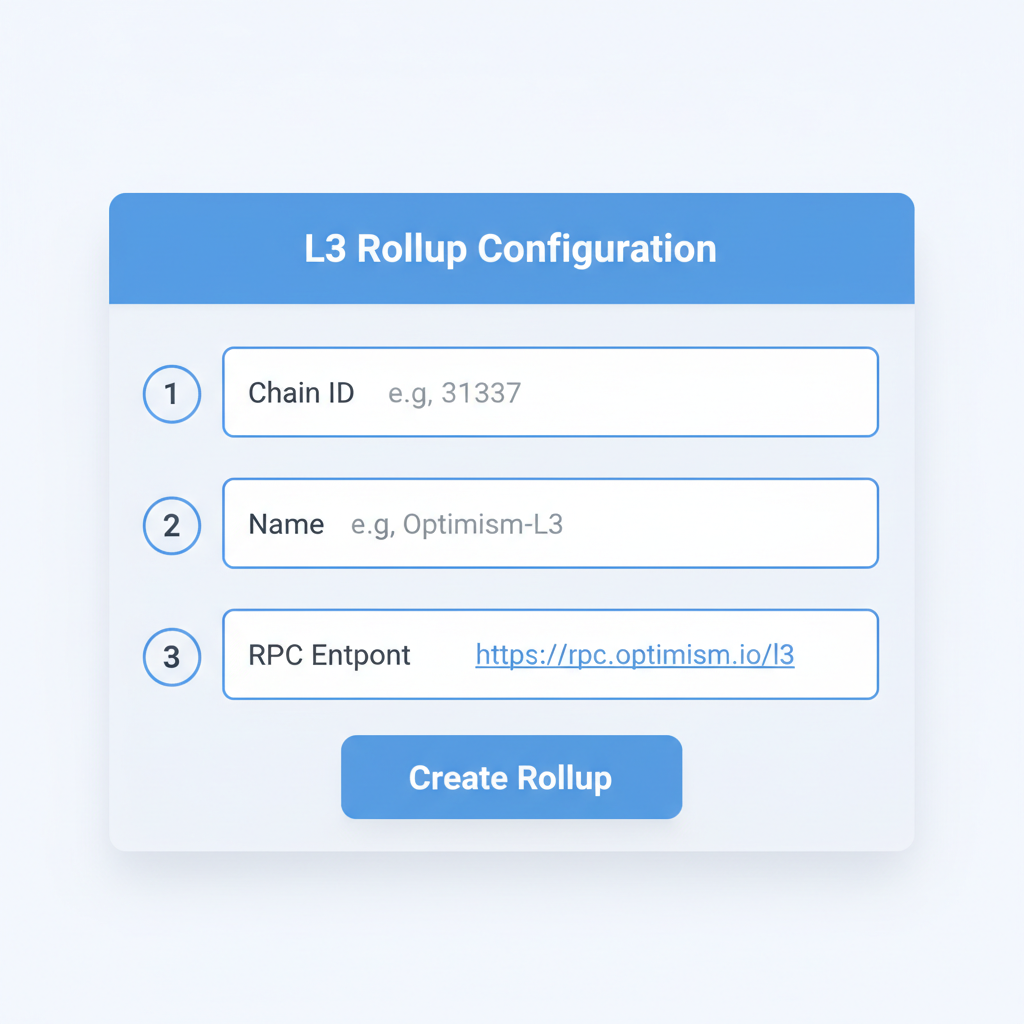
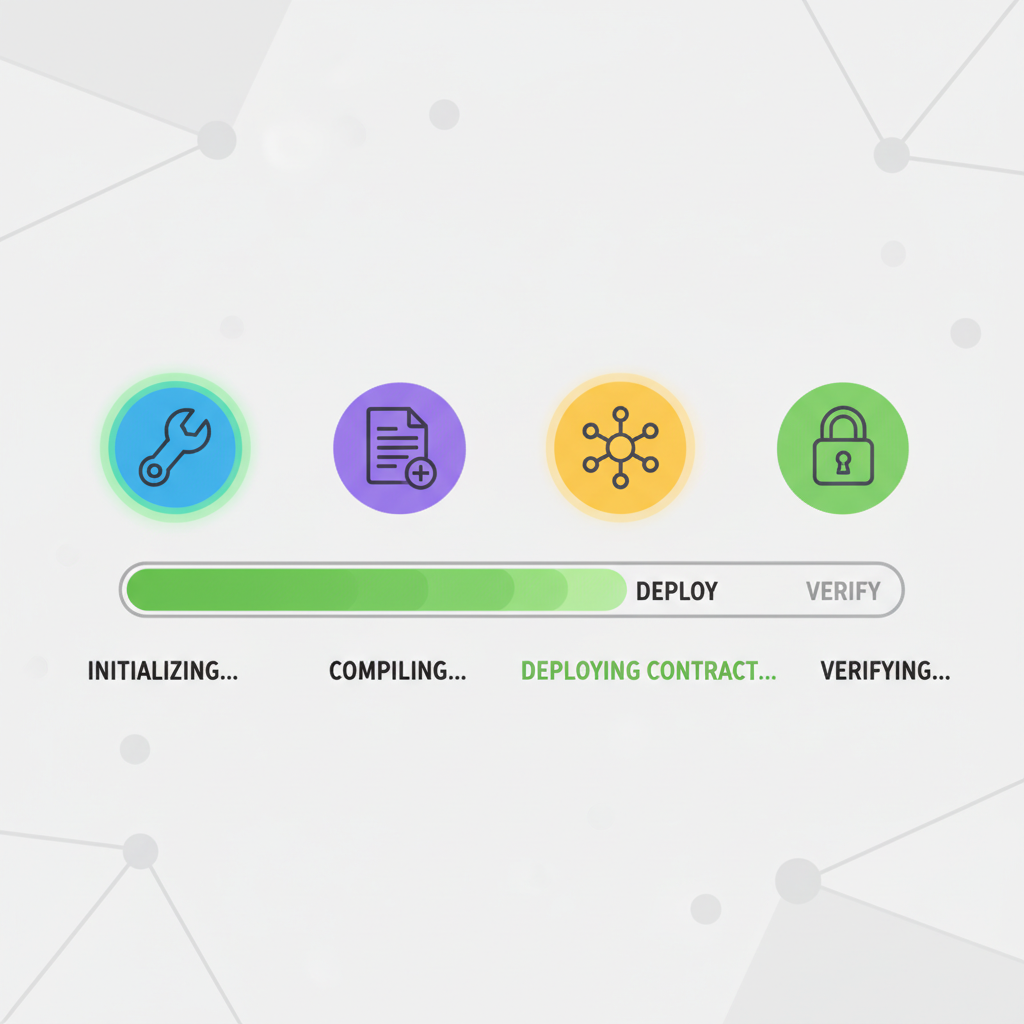
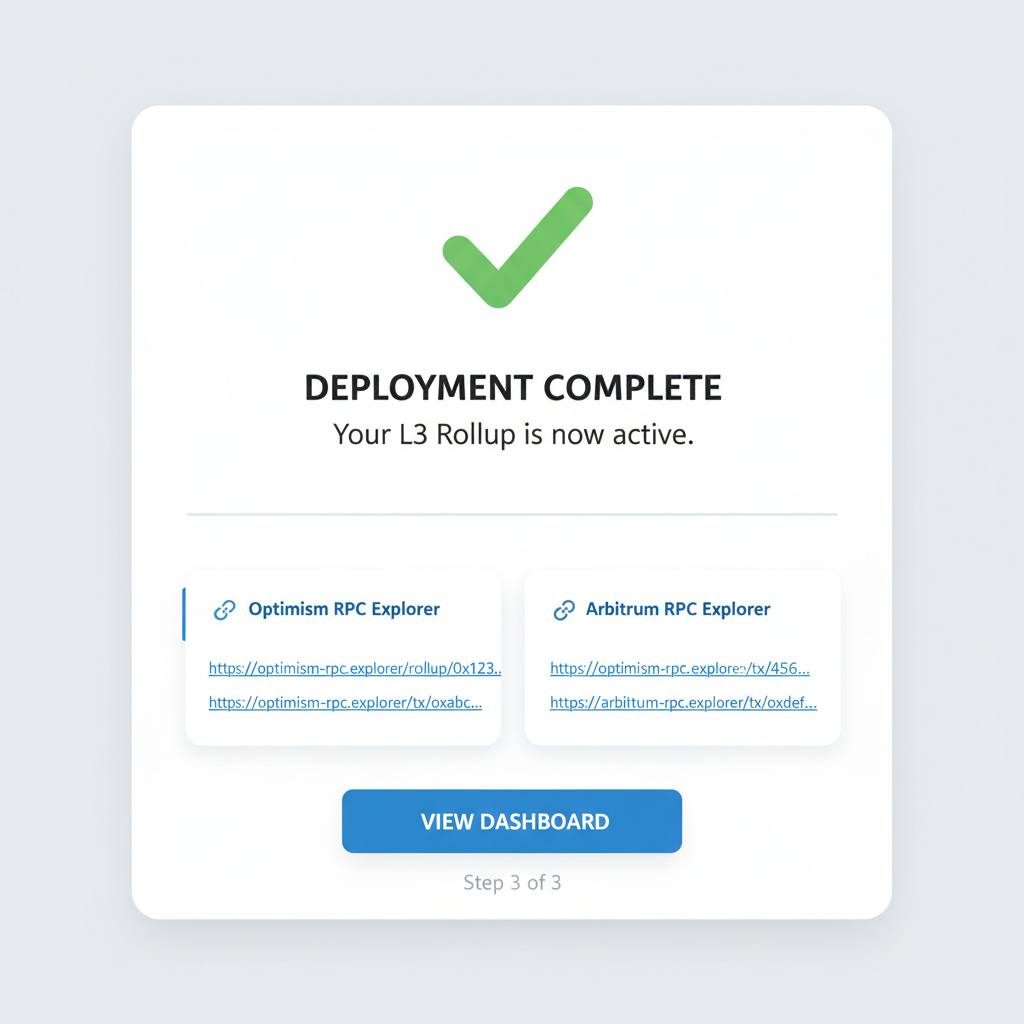
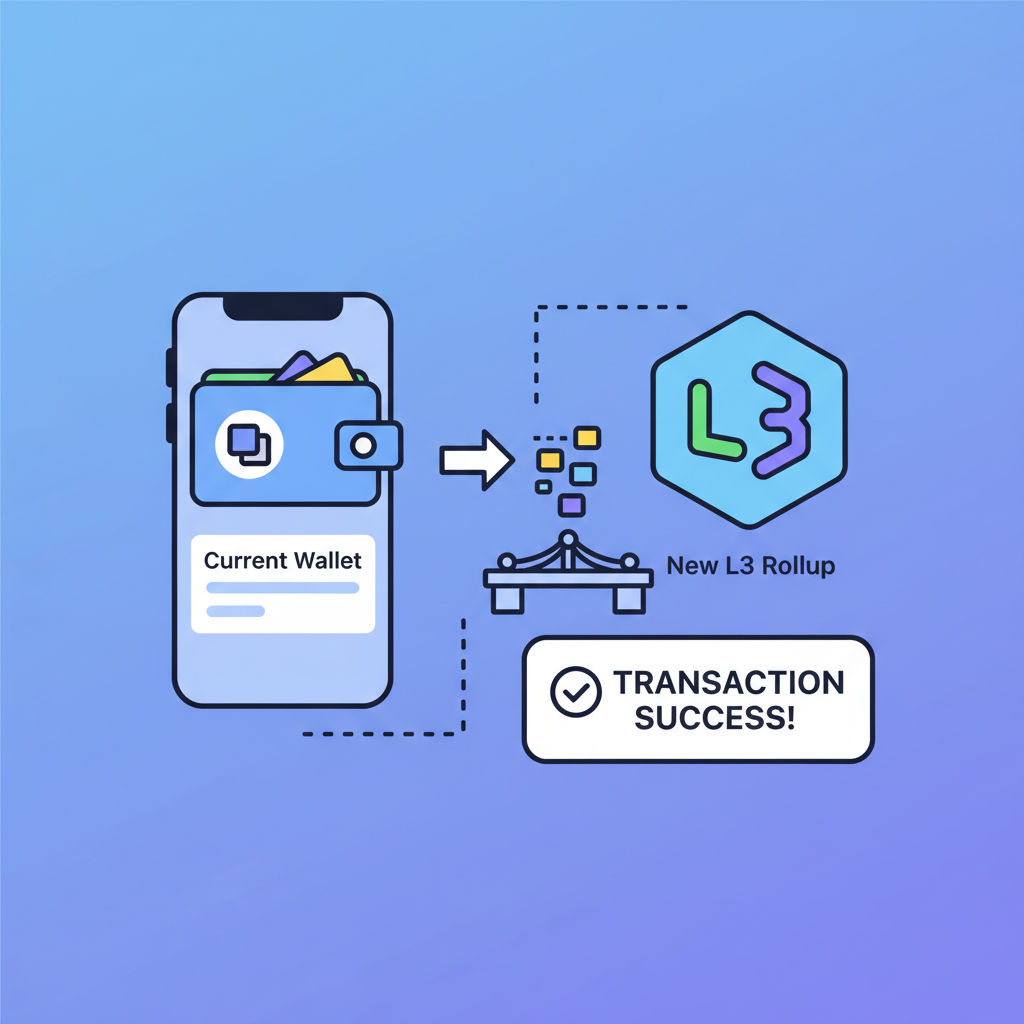
Platforms like Zeeve and Rollkit exemplify this evolution. Zeeve’s enterprise-grade infrastructure supports stacks from Arbitrum Orbit to Polygon CDK, enabling low-code launches of app-specific blockchains. Developers configure data availability layers, sequencers, and settlement mechanisms through intuitive dashboards, slashing deployment timelines while embedding robust security protocols from the outset.
Risk-Averse Strategies in Sovereign Rollup Templates
From a risk management standpoint, these sovereign rollup templates merit close scrutiny. Traditional L1 builds expose projects to validator centralization risks and escalating gas fees during network congestion. L3 appchains mitigate these by settling to L2s or L1s, inheriting their economic security. Yet, hasty deployments can overlook sequencer downtime or MEV extraction vulnerabilities. Opt for boilerplates with built-in stress testing frameworks and multi-signature governance to fortify resilience.
Rollkit stands out for its one-click sovereignty. Developers select modular components – like Celestia for DA or Ethereum for settlement – and launch without vendor lock-in. This composability empowers fine-tuned optimization, but demands precise sequencer configuration to avoid liveness faults.
Deploy Sovereign Rollup via Rollkit CLI
To deploy a basic sovereign rollup using Rollkit CLI, ensure Rollkit is installed and your environment is configured with access to Celestia (DA layer) and Ethereum (settlement layer). Then execute the following command precisely as shown.
rollkit create-sovereign --da celestia --settlement ethereum --chain-id myappchainThis command initiates deployment of a sovereign rollup with chain ID ‘myappchain’. Monitor outputs carefully for errors, verify network connectivity, and refer to Rollkit documentation for customization or troubleshooting. Deployment typically completes in under 10 minutes if prerequisites are met.
Unlocking Interoperability with Spire’s Modular L3 Framework
Spire Labs pushes boundaries further by layering L3s atop zkEVM L2s. Their architecture lets appchains tap L2 smart contracts directly, harnessing EVM liquidity and network effects. Imagine a gaming L3 pulling NFT logic from a shared L2 marketplace – seamless, without bridges. This model accelerates customizable appchain starters, but interoperability hinges on standardized message passing; deviations invite oracle risks.
Advisory note: Before committing to any L3 rollup deployment guide, audit the boilerplate’s upgradeability mechanisms. Immutable codebases sound appealing for sovereignty, but lack flexibility amid evolving threats. Prioritize templates with timelock delays and community multisig for controlled upgrades.
DevRel Kits to Accelerate Your L3 Appchain Launch
Beyond core infrastructure, comprehensive appchain DevRel kits bundle marketing collateral, SEO-optimized docs, and community onboarding flows. L3Boilerplate. com delivers these ready-to-deploy assets, ensuring your sovereign chain garners traction from day one. Pair a Rollkit boilerplate with pre-built landing pages and API explorers; watch adoption metrics climb.
Consider Zeeve’s end-to-end stack: deploy, monitor, scale. Their platform integrates observability tools, alerting on anomaly detection akin to VaR thresholds in portfolios. This proactive stance transforms speculative deployments into resilient operations.
Integrating such observability isn’t optional; it’s the linchpin for long-term viability in volatile blockchain environments. Picture a sequencer outage cascading into lost transactions – Zeeve’s alerts preempt that, much like early warning systems in forex stress tests.
Hands-On L3 Rollup Deployment Guide: From Boilerplate to Launch
A solid L3 rollup deployment guide starts with selecting a customizable appchain starter attuned to your use case. For gaming platforms or DeFi hubs, prioritize zkEVM compatibility via Spire or thirdweb’s Conduit integration. Begin by cloning a blockchain boilerplate L3 from repositories like Rollkit, customize genesis parameters, and test on local forks before mainnet pushes. This methodical progression curbs overcommitment risks, ensuring your sovereign rollup aligns with projected throughput demands.
Once configured, deployment unfolds swiftly. Rollkit’s CLI, for instance, abstracts complexities into atomic commands. Developers specify chain ID, DA provider, and settlement layer; the framework handles the rest. Spire adds interoperability flair, routing calls to L2 contracts without custom bridges – a boon for liquidity-strapped appchains. Yet, precision matters: mismatched gas limits or unoptimized state roots spell deployment failures. Always iterate through devnets first, benchmarking against real-world loads akin to portfolio backtesting.
Elevating Launches with Sovereign Chain Templates and DevRel Excellence
In 2026, the edge goes to teams wielding sovereign chain template 2026 assets bundled with DevRel firepower. L3Boilerplate. com curates these precisely: plug-and-play L3 appchain boilerplate cores paired with SEO-tuned documentation skeletons, explainer videos, and growth hacking kits. Deploy your Rollkit-based chain, then activate pre-crafted landing pages optimized for ‘sovereign rollup template’ searches. Community dashboards track wallet growth and TVL, feeding into adaptive marketing loops.
This holistic approach sidesteps common pitfalls. Isolated infrastructure deployments fizzle without evangelism; conversely, hype without substance invites rug-pull accusations. Balance both via audited boilerplates and transparent roadmaps. Zeeve’s managed services shine here, offloading node ops to pros while you focus on dApp innovation. Spire’s modular L3s further amplify this, letting niche apps like zero-knowledge gaming platforms – think ETHGlobal’s ZkNoid inspirations – scale without foundational reinvention.
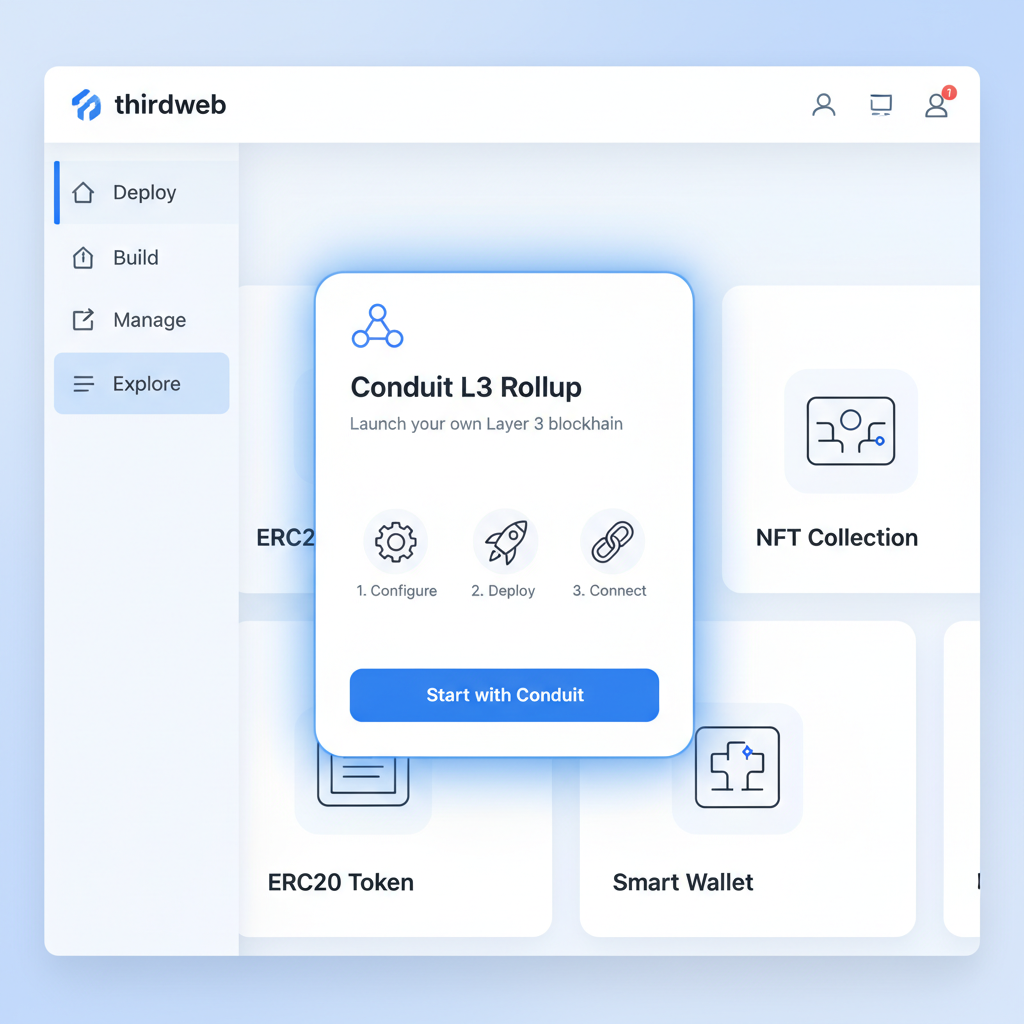
Customization remains king in appchain DevRel kits. Tailor boilerplates to embed your tokenomics or NFT standards from genesis. thirdweb’s Conduit exemplifies: deploy L3, drop ERC-721s, onboard users – all in minutes. But temper enthusiasm with diligence. Scrutinize vendor uptime SLAs and exit strategies; sovereignty demands contingency plans for provider failures.
Ultimately, these tools democratize L3 appchains without diluting prudence. Teams leveraging Zeeve, Rollkit, or Spire report 90% faster time-to-market, per platform benchmarks, yet only those stress-testing thoroughly sustain momentum. Forge ahead with boilerplates that embed resilience – your chain’s sovereignty hinges on it.