
Sovereign Rollup Boilerplates for L3 Appchains: Deploy Custom Chains with DA and Settlement Layers

In the wild world of blockchain, where scalability battles rage on, sovereign rollups are flipping the script for L3 appchains. Forget being chained to Ethereum’s settlement whims. These bad boys let you own your execution, consensus, and settlement while outsourcing data availability to beefier layers like Celestia or even Bitcoin. As a high-frequency trader who’s ridden every momentum wave in Web3, I can tell you: deploying custom L3 chains with full sovereignty isn’t just smart, it’s your ticket to outpacing the herd in volatile appchain token plays.

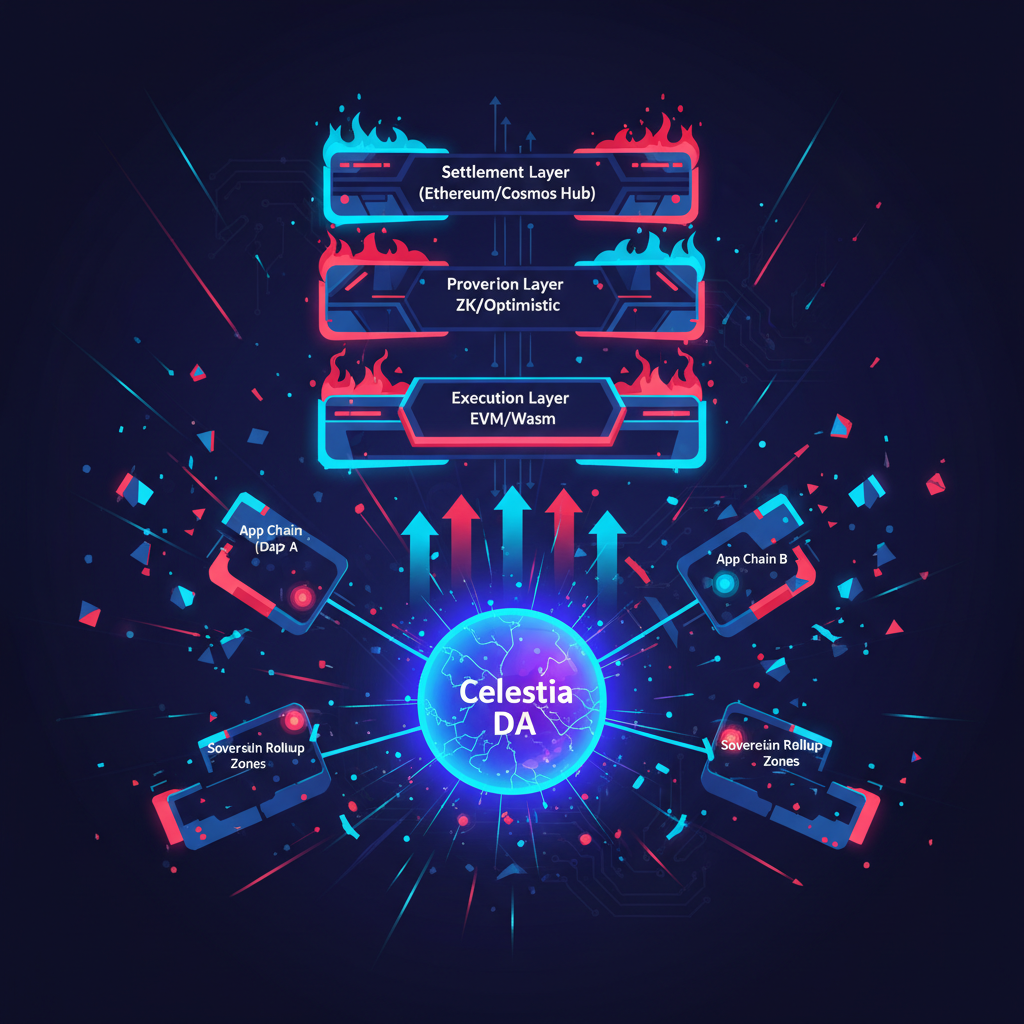
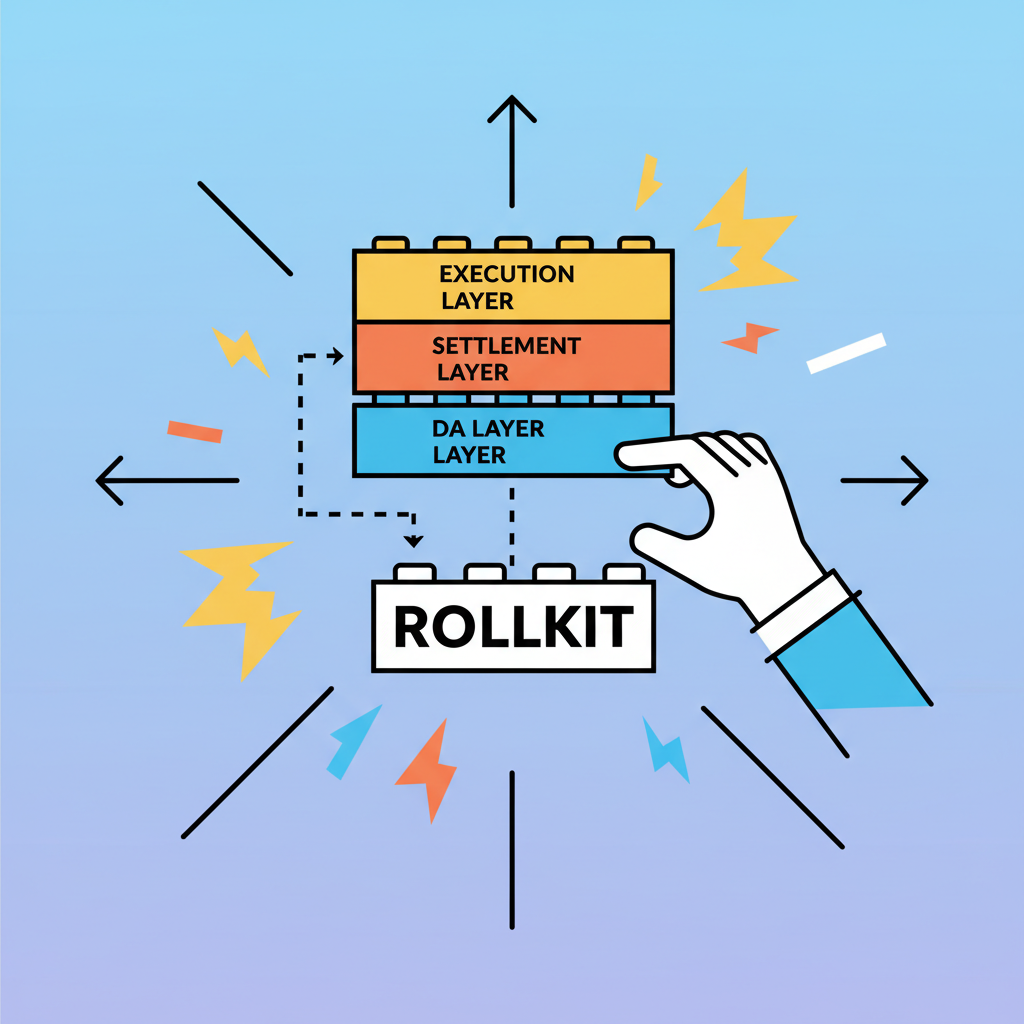
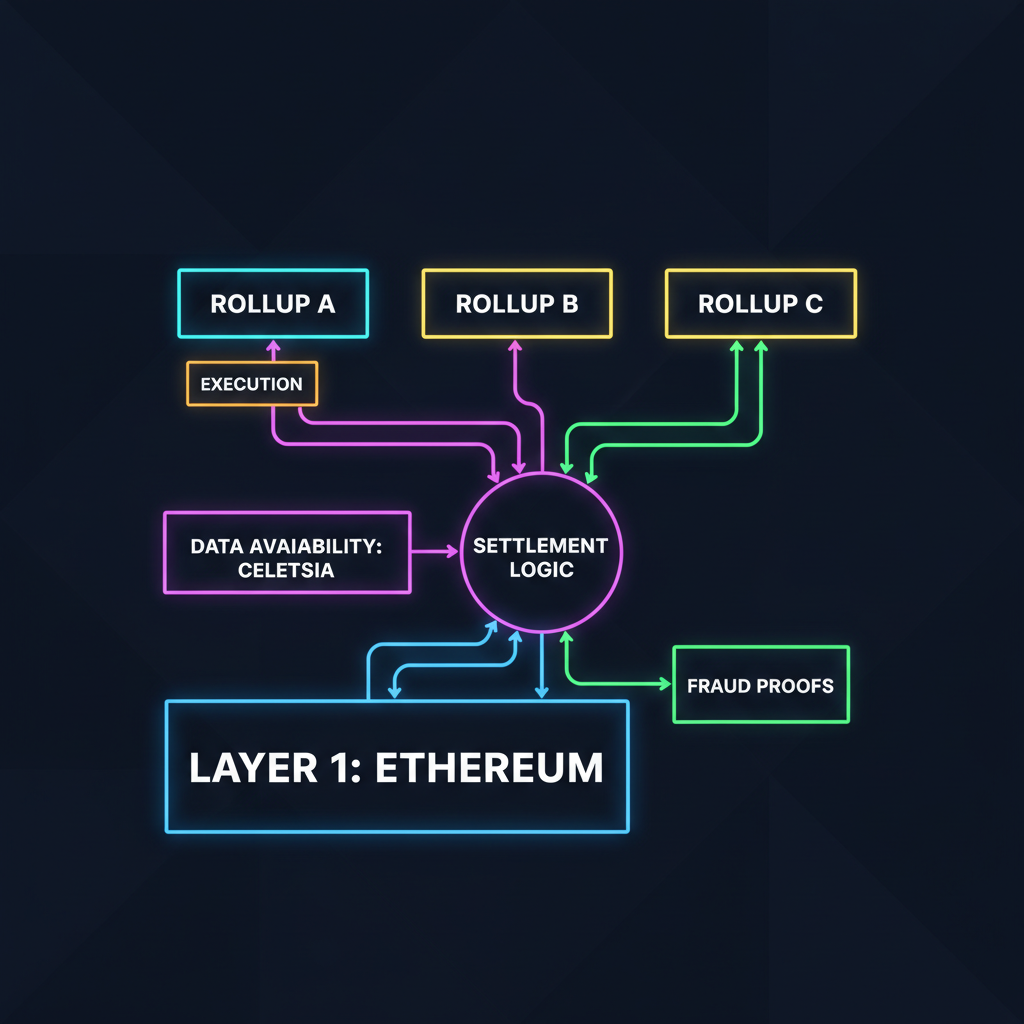
Sovereign rollups redefine modular blockchain design. They handle execution and settlement independently, leaning on dedicated DA layers for data availability and consensus. This decoupling unleashes unmatched flexibility – upgrade your chain on your timeline, govern without base-layer drama, and scale throughput for high-frequency apps that demand speed. No more waiting for Ethereum’s next hard fork to innovate. Tools like Rollkit from Celestia make this plug-and-play, turning complex deployments into boilerplate bliss.
🚀 Deploy Sovereign L3 Appchains with Rollkit: Conquer Custom Chains!
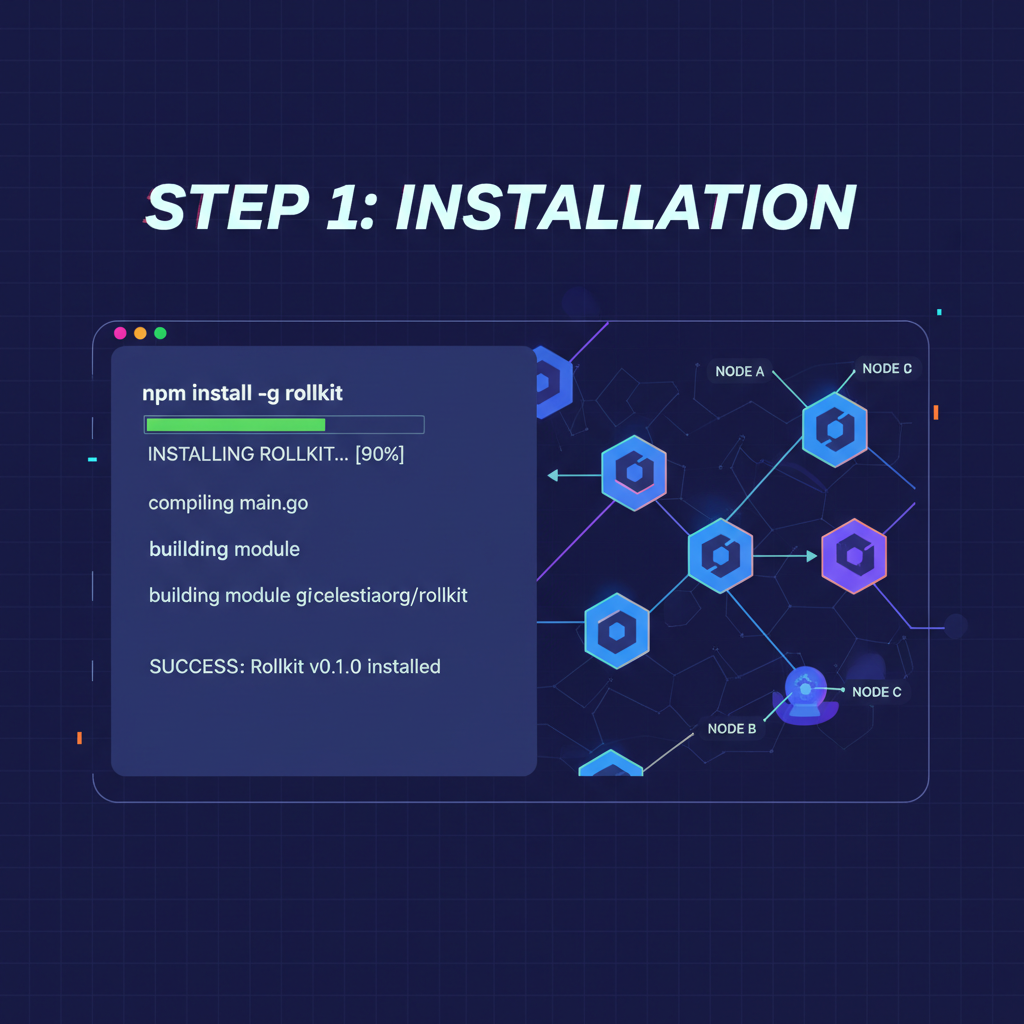
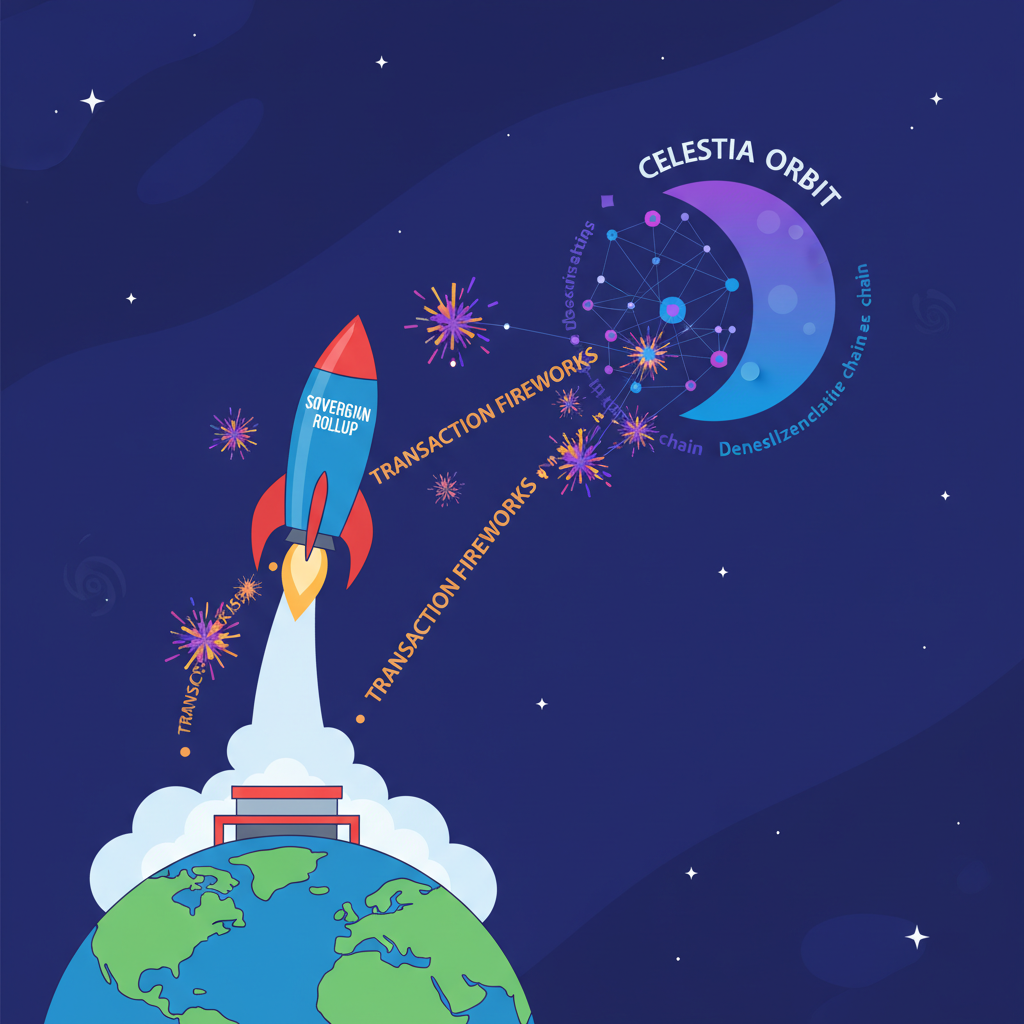

Why Sovereign Rollups Crush Traditional L2s for L3 Appchains
Traditional L2 rollups? They’re like renting an apartment – convenient, but the landlord (Ethereum) calls the shots on upgrades and fees. Sovereign rollups? You’re building your own fortress. With frameworks abstracting DA integration, you pick your settlement layer – Optimint for Celestia vibes or zk-proofs settling anywhere. Zeeve’s low-code platform slashes deployment time, perfect for teams racing to launch app-specific chains. I’ve seen momentum explode in tokens from early sovereign deployments; the sovereignty premium is real.
Picture this: your L3 appchain blasts 10k TPS for DeFi derivatives or NFT marketplaces, costs pennies, and settles trustlessly without Ethereum congestion. That’s the L3 appchain template dream. Sovereign SDK from Sovereign Labs pushes zk-rollups to any L1, amplifying interoperability while keeping you boss. No bridges needed for core ops – just pure, independent power.

Battle-Tested Boilerplates to Launch Your Sovereign Chain
Diving into the arsenal: Rollkit stands tall as the modular kingpin. It wraps any DA layer – Celestia, Bitcoin, you name it – into a generic interface. Fork it, tweak the sovereign rollup boilerplate, and deploy. Celestia’s Optimint adds settlement spice, bridging Cosmos-style ABCI to rollup worlds. For Polkadot fans eyeing Ethereum, Substrate forks are brewing zk magic.
Then there’s Sovereign SDK – zk-focused, L1-agnostic, built for devs craving customization without vendor lock-in. Zeeve? Enterprise muscle for noobs and pros alike, handling sovereign L1 appchains or L3 rollups with dashboards that scream efficiency. Cosmos SDK and Substrate round out the trio from Zeeve’s playbook, but rollups edge them for Ethereum-adjacent liquidity. Grab an appchain settlement boilerplate, layer in your VM, and you’re live.
DA and Settlement Layers: Mix, Match, Dominate
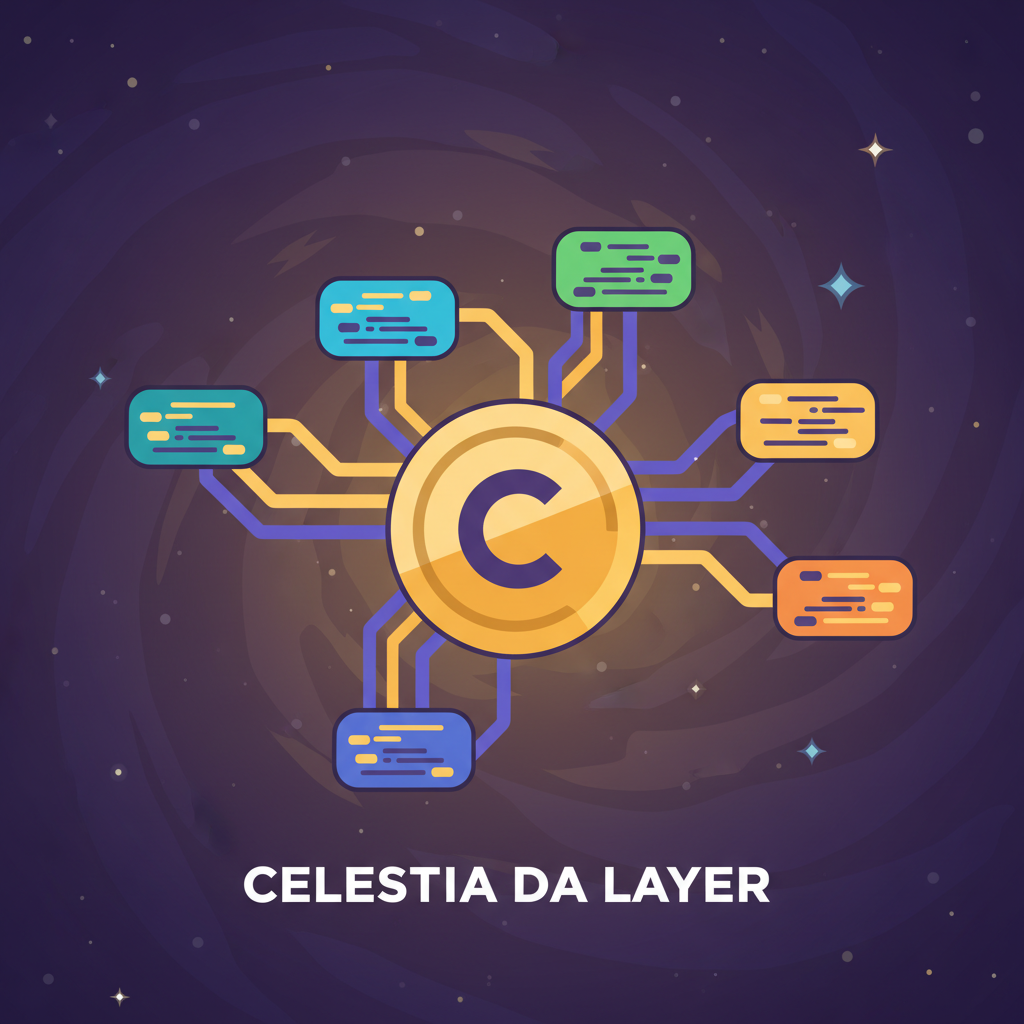
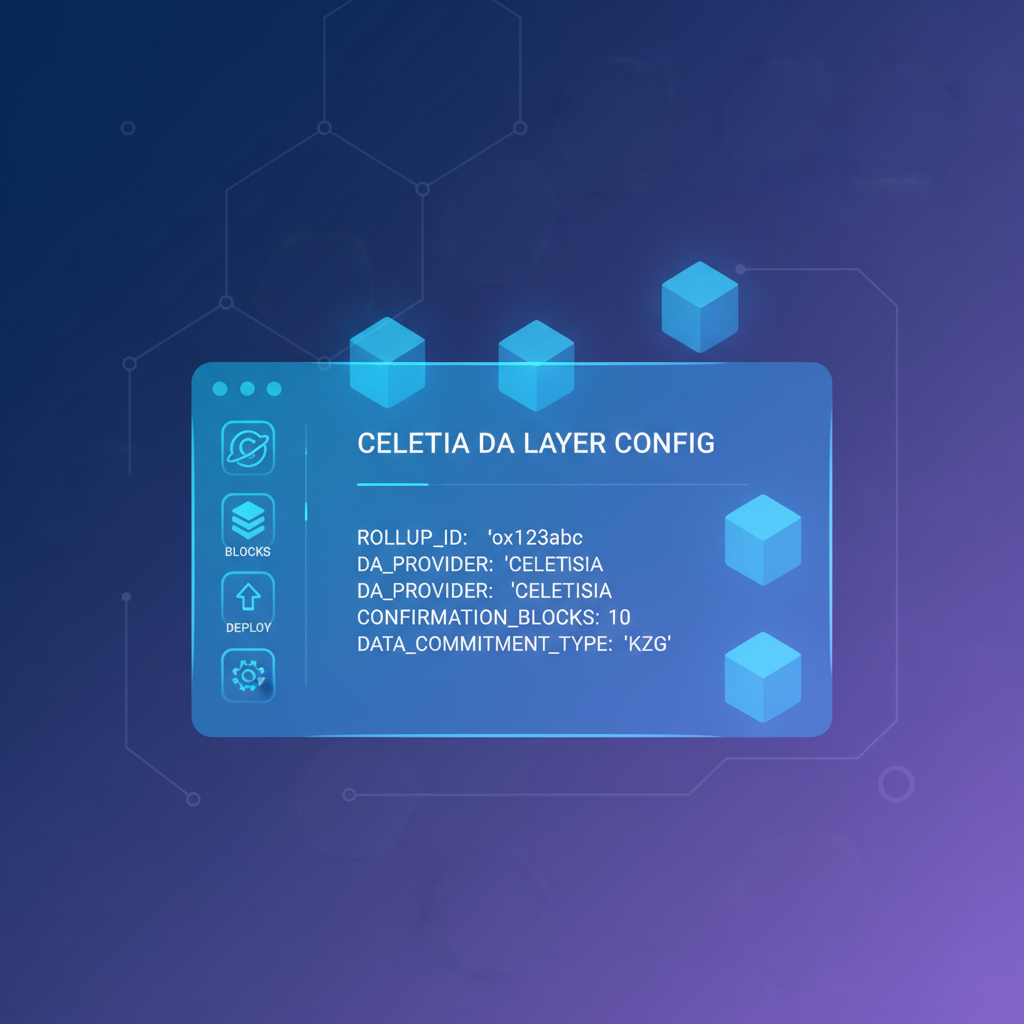
The magic’s in the stack. DA layers like Celestia ensure your transaction data’s available without bloating your chain. Settlement? Pick Ethereum for proven security, or experiment with emerging L1s. Rollkit’s abstraction lets you swap seamlessly – test Bitcoin DA today, Ethereum tomorrow. This modular blockchain boilerplate approach isn’t hype; it’s how you’ll capture value in the settlement and gt; execution hierarchy Binance charts predict.
Security trade-offs? Sure, sovereign means owning your risks – robust cross-chain comms via light clients or oracles are non-negotiable. But the upside? Governance tailored to your app, upgrades without downtime drama. As markets heat up, L3 sovereign chains with killer DA/settlement combos will momentum-trade like rockets.
Let’s cut the theory and talk deployment. As someone who’s swung big on appchain tokens from day zero, I know the real edge comes from speed to market. Sovereign rollup boilerplates aren’t just code dumps; they’re battle-ready kits that let you spin up an L3 appchain template in days, not months. Stack Rollkit with Celestia’s DA, settle on Ethereum, and watch your chain hum at sub-cent fees. The momentum? Explosive, especially when you nail the sovereign rollups DA layer integration early.
Top Sovereign Rollup Boilerplates: Pick Your Weapon
Rollkit leads the pack with its DA-agnostic smarts. Plug in Celestia for cheap data posting, Bitcoin for that HODL security, or Ethereum for liquidity. Sovereign SDK cranks zk-proofs for privacy hawks, settling anywhere without Ethereum’s baggage. Zeeve wraps it all in a dashboard dream, low-code for rapid prototypes turning into production beasts. These L3 sovereign chain starter kits handle the heavy lifting: PFBFT consensus, light client verification, and modular VMs. I’ve backtested plays on chains launched from these; the ones with flexible settlement layers print during bull runs.
Comparison of Rollkit, Sovereign SDK, and Zeeve for Sovereign Rollup Boilerplates
| Framework | DA Support | Settlement Flexibility | Ease of Deploy | Ideal Use Case |
|---|---|---|---|---|
| Rollkit | Multiple DA layers (Celestia, Bitcoin, Ethereum, etc.) | High (independent sovereign settlement) | Moderate (modular framework) | Modular sovereign rollups with flexible DA |
| Sovereign SDK | Any L1 blockchain | High (compatible with any L1 settlement) | Moderate-High (SDK for developers) | Sovereign zk-rollups on custom chains |
| Zeeve | Platform-supported DA for custom chains | High (custom appchain settlement) | High 🚀 (low-code environment) | Enterprise L1/L2/L3 appchains and rollups |
Don’t sleep on hybrids. Fork Substrate for Polkadot-inspired parallelism in your rollup, or layer Cosmos SDK for IBC interoperability. The key? An appchain settlement boilerplate that abstracts complexity, letting you focus on your app’s killer feature – be it high-speed trading bots or gamified DeFi.
Key Sovereign Rollup Advantages
-
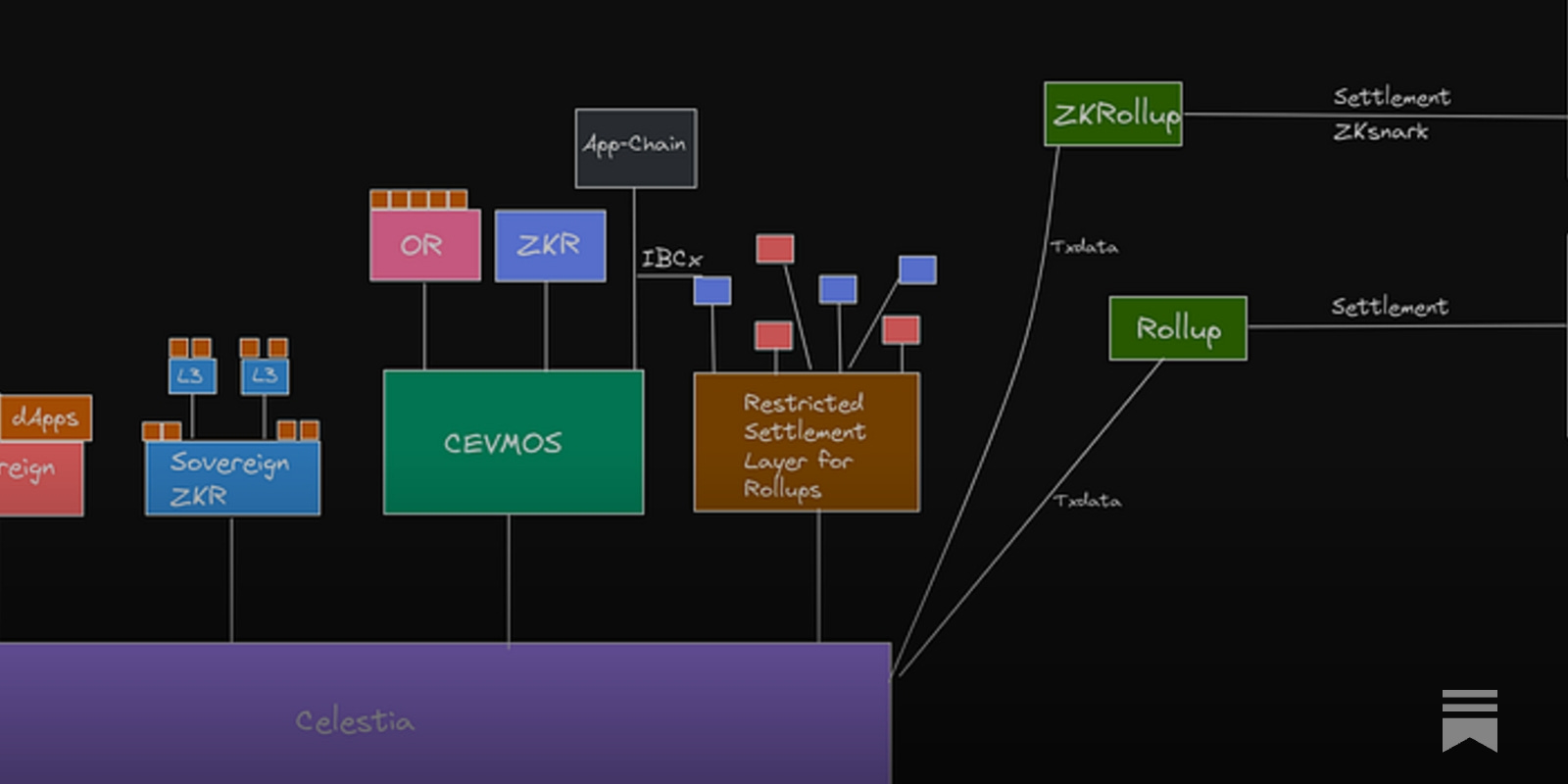
Flexibility in DA/Settlement: Mix DA like Celestia or Bitcoin with custom settlement – total modularity!
-
Faster Upgrades: Upgrade independently, no waiting on Ethereum’s schedule – deploy lightning-fast!
-
Lower Costs: Sky-high throughput slashes tx fees for high-frequency L3 apps.
-
App-Specific Governance: Tailor rules to your appchain – full sovereignty unleashed!
-
Momentum Trading Upside: Ride modular stack hype with settlement & DA value capture.
From Zero to Launch: Your Sovereign Chain Playbook
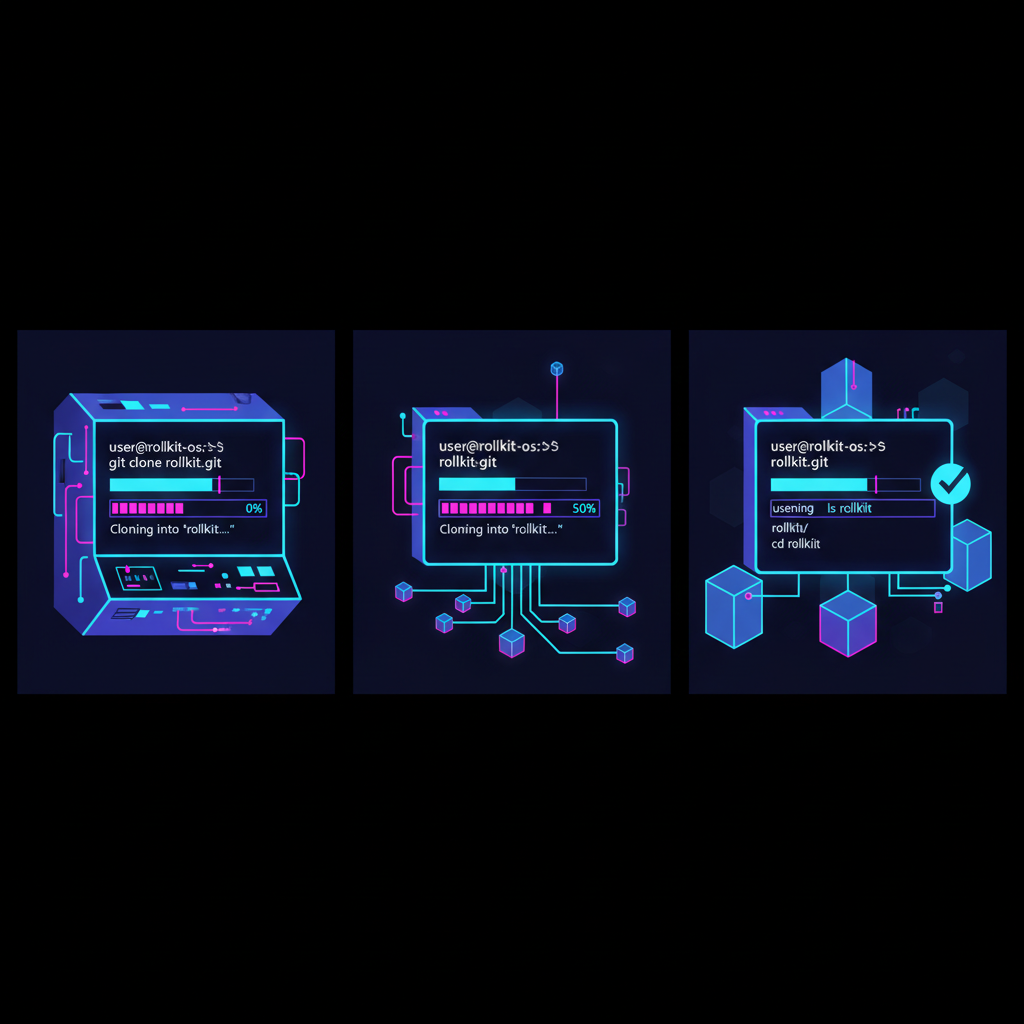
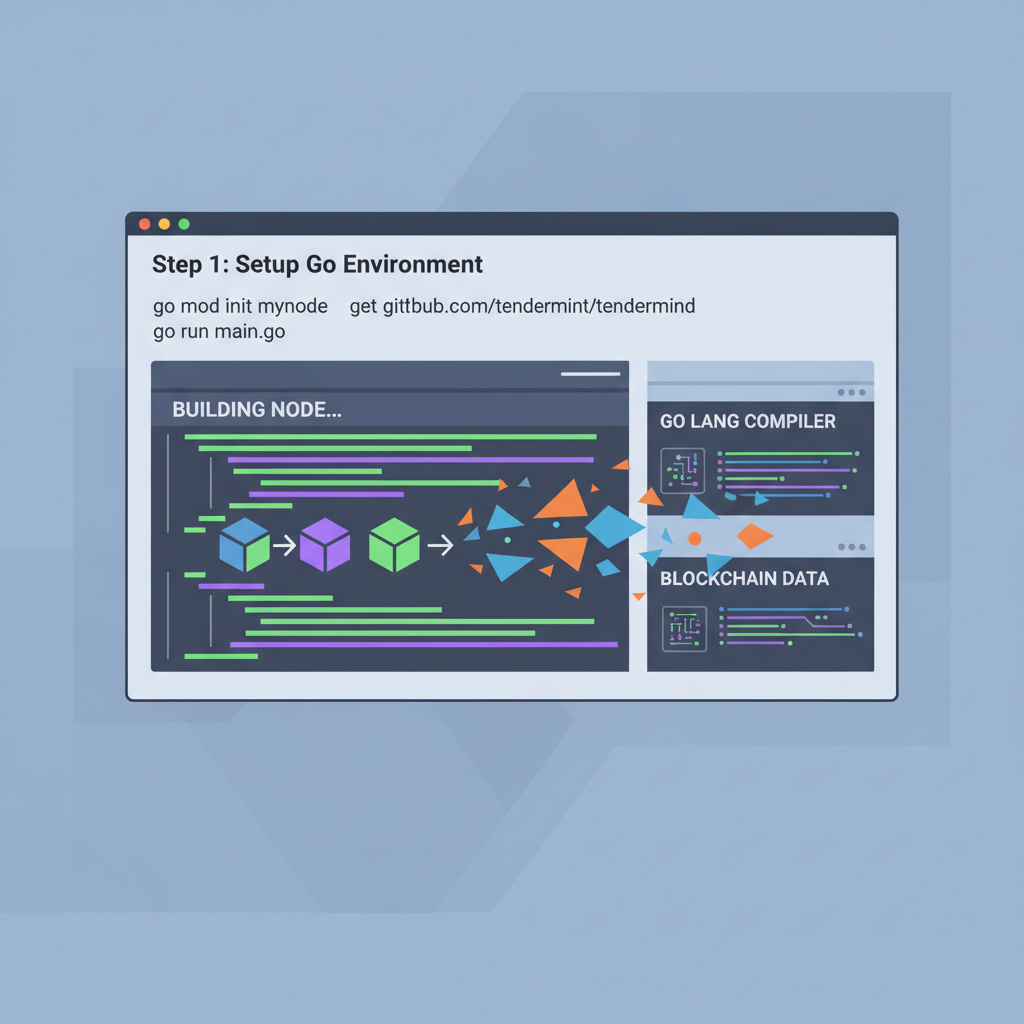
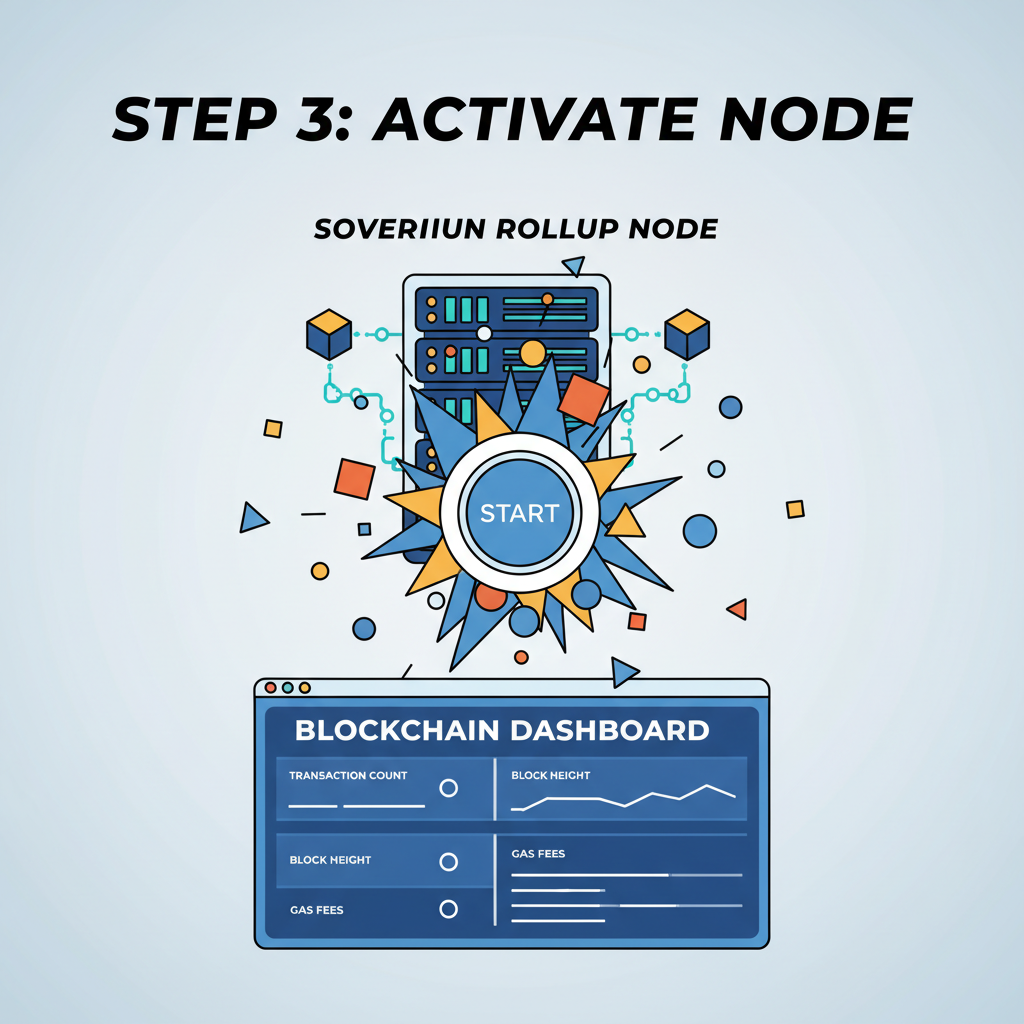
Enough talk – here’s how you deploy. Grab a modular blockchain boilerplate like Rollkit’s starter. Init your repo, configure DA (Celestia module’s a one-liner), pick settlement proofs, and fire up the node. Testnet in hours, mainnet in a week if you’re aggressive. Tools auto-generate docs, DevRel kits, even SEO landing pages. For traders like me, this means early positioning in token airdrops or IDOs from fresh chains. Zeeve accelerates with managed infra; no DevOps headaches.
🚀 Launch Your Sovereign Rollup: Rollkit Quick-Start Blitz!
Challenges? Interoperability demands light clients or zero-knowledge bridges for seamless asset flows. Security audits are mandatory – don’t skimp, or your token dumps on exploit FUD. But nail it, and your L3 appchain becomes a sovereignty showcase. Governance via on-chain voting keeps your community locked in, fueling organic growth.
Zoom out: modular stacks crown settlement kings first, execution second, DA last. Sovereign rollups let you stack that value tower your way. With Bitcoin eyeing DA roles and Celestia dominating, the playground’s wide open. Devs deploying now ride the wave to token pumps; I’ve seen 10x swings on appchain narratives alone. Grab your boilerplate, launch bold, trade the momentum. The next L3 unicorn? It’ll be sovereign, scalable, and yours to build.