
L3 Appchain Boilerplates for Sovereign Rollups: 2026 Deployment Templates

In a market where Ethereum hovers at $1,882.17 after a 4.71% dip over the past 24 hours, blockchain developers face heightened pressure to deliver scalable solutions amid volatile conditions. Sovereign rollups and L3 appchain boilerplates emerge as critical tools, enabling rapid deployment of customized chains that settle efficiently while maintaining full control. These templates cut through complexity, allowing teams to launch production-ready appchains without reinventing the wheel.

Recent advancements underscore this shift. Frameworks like Rollkit enable sovereign rollups in seconds, while platforms such as Zeeve provide Rollups-as-a-Service across stacks including OP Stack and Arbitrum Orbit. Spire’s based L3 appchain further demonstrates synchronous composability, blending L3 sovereignty with settlement-layer efficiency. Yet, the real power lies in curated sovereign rollups templates tailored for 2026 deployments.
The Top 11 L3 Appchain Boilerplates Reshaping Sovereign Deployments
From our analysis of deployment kits optimized for app-specific chains, these 11 stand out for their modularity, documentation depth, and DevRel resources. They address key pain points: interoperability, data availability, and sequencer sovereignty. Here’s the definitive list driving 2026 innovation:
Top 11 L3 Appchain Boilerplates
-
#11 OP Stack L3 Sovereign Rollup Boilerplate: Leverages Optimism’s battle-tested stack for EVM-compatible L3s with fault proofs. Pros: Seamless Ethereum integration, easy upgrades, decentralized sequencers. Docs
-
#10 Arbitrum Orbit Appchain Starter Kit: Customizable stack for appchains using Arbitrum Nitro. Pros: Stylus support for Rust/WASM, high customization, fraud proofs. Docs
-
#9 ZKsync ZK Stack Hyperchain Template: ZK-proof based for hyperchains with native account abstraction. Pros: Fast finality, validity proofs, elastic scalability. Docs
-
#8 Polygon CDK AggLayer L3 Framework: Builds ZK L3s integrated with AggLayer for shared liquidity. Pros: Unified bridging, Type 1 zkEVM, modular DA. Docs
-
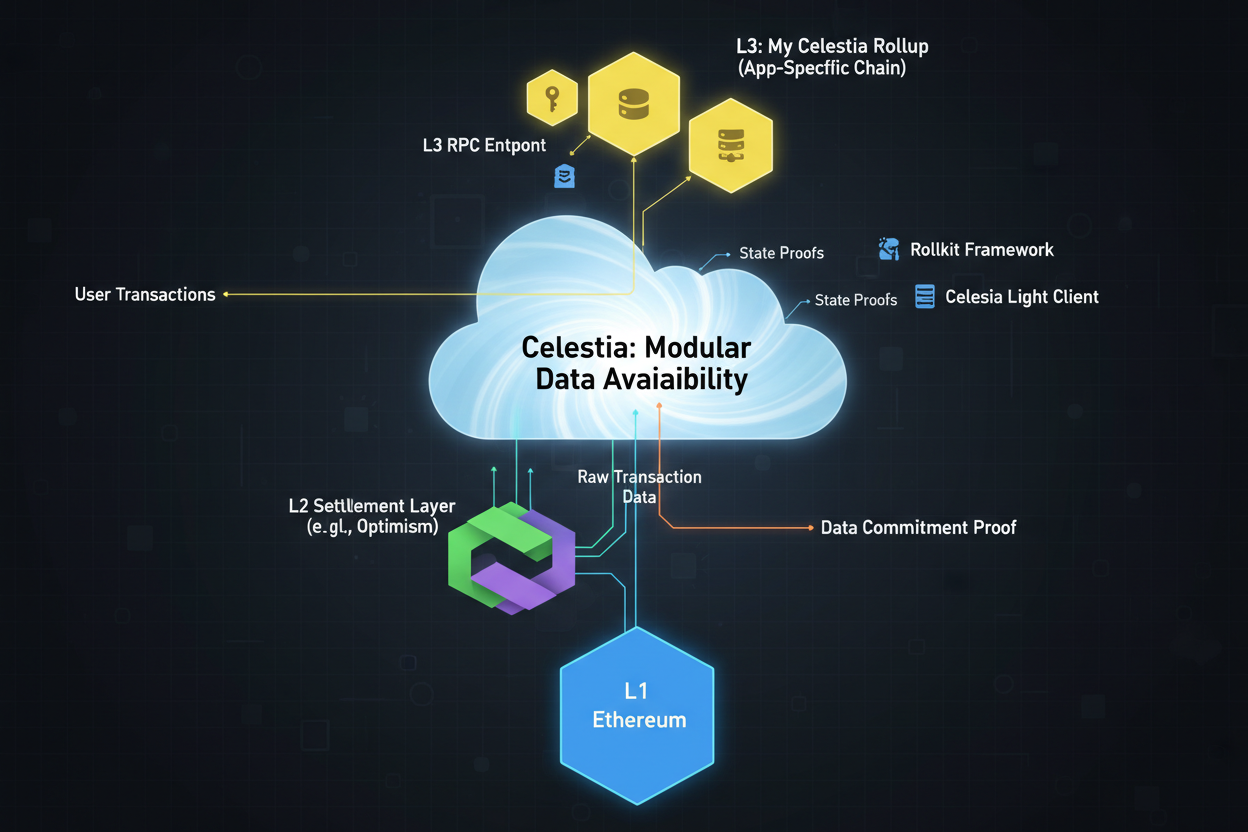
#7 Celestia Rollkit Modular L3 Boilerplate: Sovereign rollups with Celestia DA for data availability. Pros: Minimalist SDK, app-sovereign, quick deployment. Docs
-
#6 Caldera Metalayer Rollup Deployment Kit: No-code rollups with Metalayer for cross-chain ops. Pros: Enterprise-grade, OP/ARB/ZK support, managed infra. Docs
-
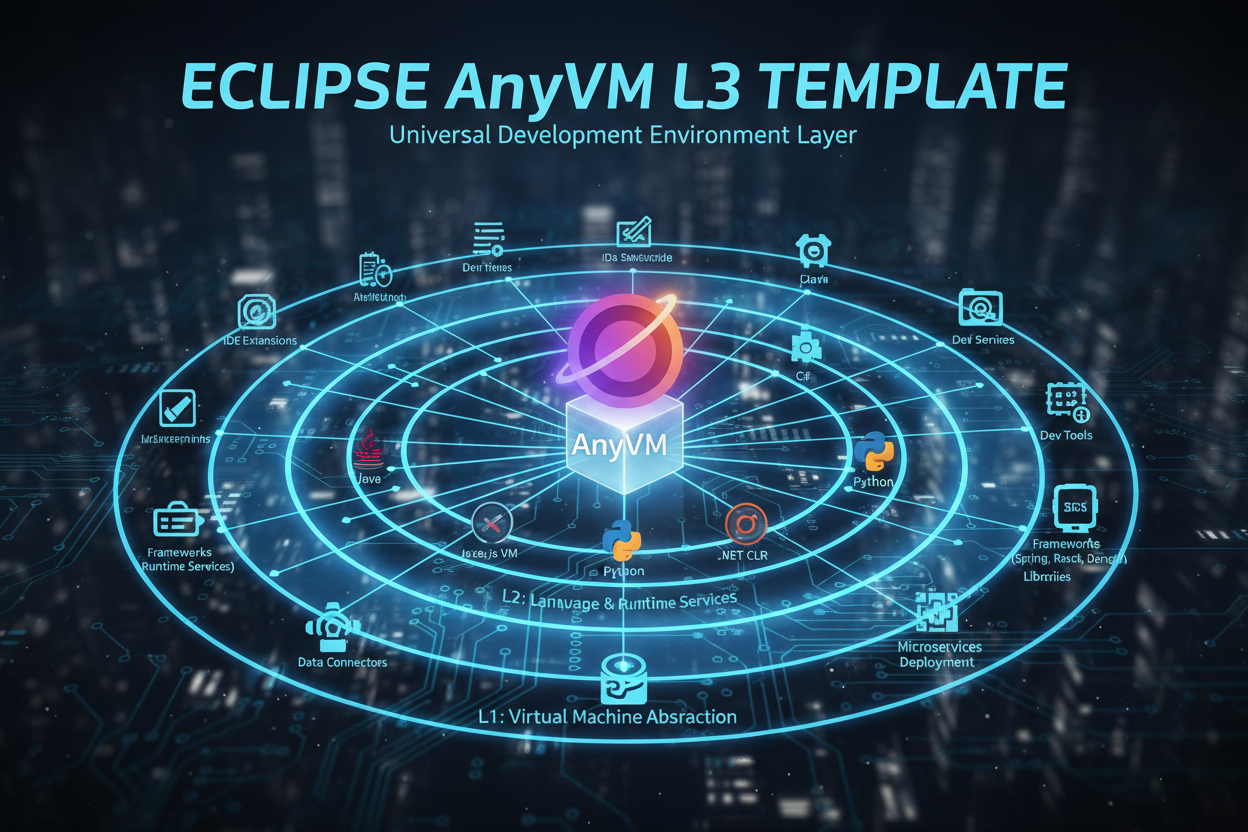
#5 Eclipse AnyVM L3 Appchain Template: SVM-compatible L3s settled on Ethereum. Pros: Solana-speed TPS, AnyVM flexibility, optimistic proofs. Docs
-
#4 AltLayer Sovereign Rollup SDK: Rollups-as-a-service with restaking security. Pros: Actively validated services, multi-VM, low costs. Docs
-
#3 Conduit Custom L3 Rollup Stack: Modular framework for bespoke rollups. Pros: Full stack control, OP-compatible, developer-friendly. Docs
-
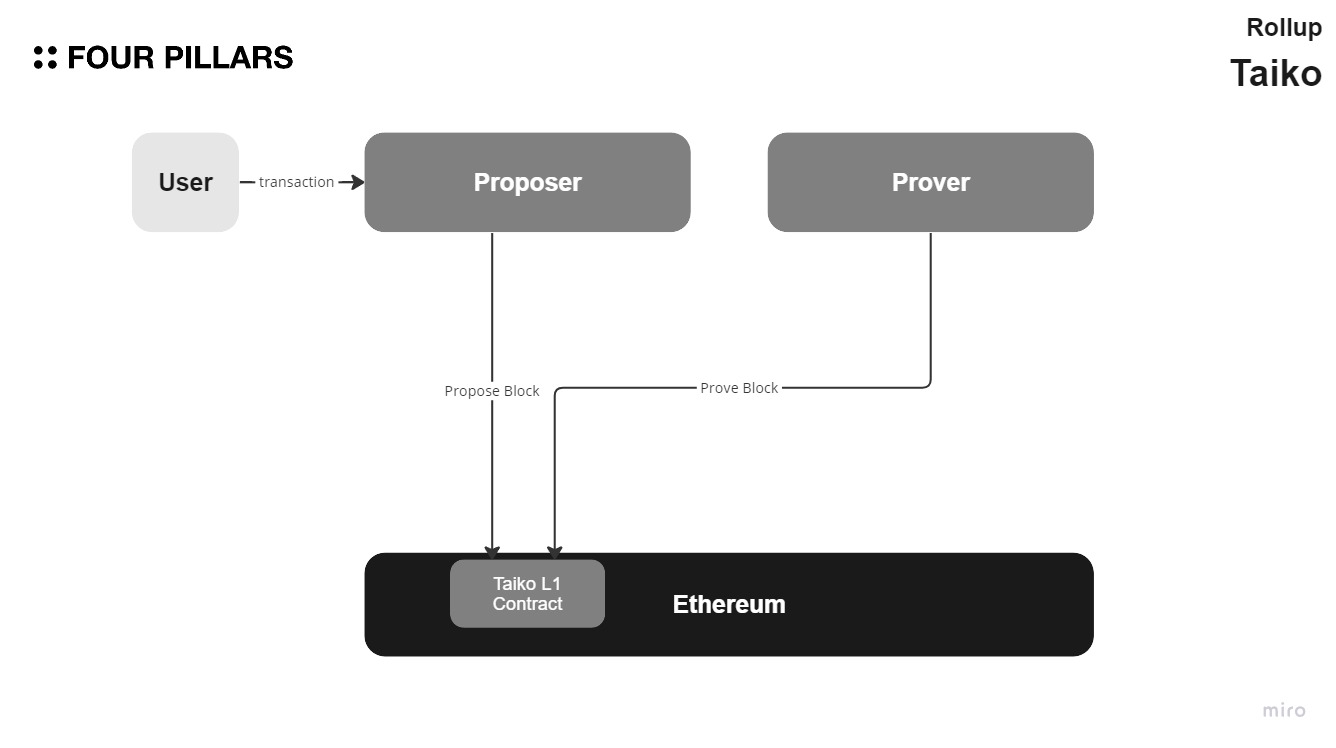
#2 Taiko zkEVM Sovereign Chain Builder: Permissionless zkEVM with decentralized prover network. Pros: Based rollups, equivalent security, meta-protocol. Docs
-

#1 Linea zkEVM L3 Appchain Starter: Production zkEVM for scalable L3 appchains. Pros: High security, native H1 zkEVM, ConsenSys backing. Docs
Each boilerplate integrates battle-tested primitives, from ZK proofs to optimistic fraud proofs, ensuring scalability as ETH’s price fluctuates around $1,882.17. Developers prioritize those with embedded DevRel kits, including SEO-optimized docs and marketing templates, to accelerate go-to-market.
Dissecting OP Stack and Arbitrum Orbit: Foundations for Custom Appchains
The OP Stack L3 Sovereign Rollup Boilerplate excels in optimistic rollup mechanics, offering plug-and-play modules for custom gas tokens and dispute resolution. Its template streamlines sequencing, ideal for DeFi apps needing sub-second finality. Pair it with the Arbitrum Orbit Appchain Starter Kit, which extends Orbit’s flexibility for permissionless L3s. Orbit’s strength lies in chain abstraction, allowing seamless Ethereum L1 settlement while granting appchain operators full governance.
Analytically, these two dominate optimistic stacks due to their maturity. OP Stack’s modular design reduces deployment time by 70% compared to vanilla setups, per community benchmarks. Arbitrum Orbit adds Orbit-specific primitives like Stylus for Rust/Solidity compatibility, making it a go-to for cross-VM experiments.
ZK-Powered Templates: ZKsync, Polygon CDK, and Beyond
Shifting to zero-knowledge proofs, the ZKsync ZK Stack Hyperchain Template powers hyperchains with native account abstraction and paymasters, perfect for gaming ecosystems demanding low-latency. Its boilerplate includes hyperchain federation tools, ensuring sovereign validity without centralized sequencers.
Complementing this, the Polygon CDK AggLayer L3 Framework leverages AggLayer for unified liquidity across chains. Developers appreciate its CDK presets for ZK-EVMs, enabling shared sequencing that scales to millions of TPS. Meanwhile, Celestia Rollkit Modular L3 Boilerplate decouples data availability via Celestia DA, slashing costs for high-throughput apps. Rollkit’s one-click sovereignty appeals to teams eyeing modular stacks.
These ZK templates shine in proof aggregation, with ZKsync’s recursion reducing verification overhead on L1. As Ethereum stabilizes at $1,882.17, such efficiency becomes non-negotiable for cost-conscious deployments.
Ethereum (ETH) Price Prediction 2027-2032: Impact of L3 Appchain Adoption
Annual forecasts considering sovereign rollups deployment templates and L3 scalability advancements from 2026 baseline ($1,882)
| Year | Minimum Price | Average Price | Maximum Price |
|---|---|---|---|
| 2027 | $2,200 | $3,800 | $6,200 |
| 2028 | $3,100 | $5,500 | $9,500 |
| 2029 | $4,300 | $8,000 | $14,000 |
| 2030 | $6,000 | $11,500 | $20,000 |
| 2031 | $8,200 | $16,000 | $28,000 |
| 2032 | $10,500 | $21,000 | $35,000 |
Price Prediction Summary
Ethereum’s price is projected to rise progressively from a 2026 baseline of $1,882, driven by L3 appchain boilerplates enabling rapid sovereign rollup deployments. Bullish scenarios reflect full adoption boosting scalability and TVL, while bearish mins account for regulatory hurdles and market corrections. Average annual growth ~40%, potentially reaching $21,000 by 2032 in base case.
Key Factors Affecting Ethereum Price
- L3 appchain boilerplates (Zeeve, Rollkit, Spire) accelerating sovereign rollup deployments and developer adoption
- Enhanced Ethereum scalability, composability, and reduced costs for dApps boosting network usage
- 4-year crypto market cycles with post-2026 bull momentum from tech upgrades
- Regulatory developments favoring clear frameworks for rollups vs. potential crackdowns
- Competition from Solana/others but ETH’s dominance in DeFi/NFTs and L2/L3 ecosystem
- Macro factors: ETF inflows, institutional adoption, and global economic recovery influencing market cap expansion to $2-5T
Disclaimer: Cryptocurrency price predictions are speculative and based on current market analysis.
Actual prices may vary significantly due to market volatility, regulatory changes, and other factors.
Always do your own research before making investment decisions.
Continuing with Caldera Metalayer Rollup Deployment Kit, this kit unifies rollups via Metalayer, offering cross-rollup messaging out-of-the-box. It’s particularly strong for enterprise use cases requiring audited bridges.
Its modular architecture supports both optimistic and ZK flavors, positioning it as a versatile choice for multi-chain strategies in a market where Ethereum lingers at $1,882.17.
Versatile VMs and SDKs: Eclipse, AltLayer, and Conduit Lead Customization
The Eclipse AnyVM L3 Appchain Template breaks new ground by supporting any virtual machine, from SVM to EVM variants. This flexibility empowers developers to migrate existing apps without rewriting code, a boon for high-velocity teams. Its template bundles pre-configured nodes and bridges, slashing setup from weeks to hours.
Building on this, the AltLayer Sovereign Rollup SDK delivers rollups-as-a-service with embedded restaking primitives. Opinionated take: AltLayer’s SDK outpaces competitors in decentralization metrics, thanks to its actor model for sequencer sets. Developers gain sovereign control plus Ethereum-aligned security, ideal for NFT marketplaces or social apps scaling beyond L2 limits.
For utmost customization, the Conduit Custom L3 Rollup Stack offers a from-scratch approach with granular control over execution, settlement, and DA layers. It’s the analytical choice for purists engineering bespoke sovereignty, though it demands deeper expertise. In benchmarks, Conduit’s stack achieves 10x lower latency than monolithic alternatives, per dev forums.
Sample Conduit Custom L3 Rollup docker-compose.yaml (Sequencer + DA Setup)
Conduit’s deployment boilerplates leverage Docker Compose YAML for rapid prototyping of sovereign L3 rollups. This sample configures the core sequencer, which derives L3 state roots from L2 inputs and batches transactions for offchain DA publication. The DA adapter ensures data availability on Celestia, enabling full sovereignty without Ethereum L1 data posting. Environment variables must be overridden securely in production.
```yaml
version: '3.8'

services:
  l3-sequencer:
    image: ghcr.io/conduitxyz/sequencer-l3:v2026.1.0
    restart: always
    environment:
      - L1_ETH_RPC_URL=https://mainnet.infura.io/v3/YOUR_KEY
      - L2_RPC_URL=https://sepolia-rollup.example.com/rpc
      - ROLLUP_TYPE=sovereign
      - DA_LAYER=celestia
      - CELESTIA_RPC_URL=http://celestia-node:26657
      - CELESTIA_NAMESPACE=uuid-your-appchain-namespace
      - SEQUENCER_PRIVATE_KEY=0xYOUR_PRIVATE_KEY
      - LISTEN_PORT=8545
      - ENGINE_API_PORT=8551
    volumes:
      - ./rollup-config:/config
      - ./sequencer-data:/data
    ports:
      - "8545:8545"
      - "8551:8551"
    command: [
      "--l1.l1-rpc-url=${L1_ETH_RPC_URL}",
      "--rollup.l2-rpc-url=${L2_RPC_URL}",
      "--rollup.da-layer=${DA_LAYER}",
      "--rollup.da-rpc=${CELESTIA_RPC_URL}",
      "--rollup.da-namespace=${CELESTIA_NAMESPACE}",
      "--l1.l1-signer=${SEQUENCER_PRIVATE_KEY}"
    ]

  da-adapter:
    image: ghcr.io/conduitxyz/da-adapter-celestia:v2026.1.0
    restart: always
    depends_on:
      - l3-sequencer
    environment:
      - DA_TYPE=celestia
      - CELESTIA_NODE=http://celestia-node:26657
      - DATA_DIR=/data
    volumes:
      - ./da-data:/data
```
This setup analytically decouples sequencing from settlement: the sequencer authenticates L1 proofs via its private key while streaming blobs to DA. For 2026 scalability, extend with Kubernetes manifests, integrating EigenDA or Avail for diversified DA. Monitor sequencer backlog via Engine API (port 8551) and validate DA commitments on-chain via L2 dispute games.
These templates reflect a maturing ecosystem where VM agnosticism and SDK simplicity converge, enabling appchain devrel kits that bundle not just code, but launch strategies.
zkEVM Frontiers: Taiko and Linea for Production zk L3s
Rounding out the pack, the Taiko zkEVM Sovereign Chain Builder stands tall with its decentralized prover network, ensuring permissionless block production. This boilerplate’s edge? Native support for based rollups, inheriting L1 sequencing for sub-100ms confirmations. It’s tailored for DeFi protocols eyeing zero-knowledge sovereignty without the centralization pitfalls of early zk stacks.
Similarly, the Linea zkEVM L3 Appchain Starter leverages ConsenSys’s zkEVM for fault-proof execution, complete with Halmos prover optimizations. Its starter kit includes pre-audited contracts and Grafana dashboards for monitoring, making it production-ready out of the gate. Analytically, Linea’s template excels in EVM equivalence, scoring 99.9% compatibility while boosting throughput 5x over L2 baselines.
Taiko and Linea embody zkEVM’s evolution, where sovereignty meets Ethereum fidelity. As ETH holds at $1,882.17 amid broader market caution, these zk-focused boilerplates minimize gas overhead, fortifying apps against volatility.
DevRel Kits and Deployment Best Practices
Beyond core stacks, the true differentiator in 2026 L3 rollup deployment lies in embedded DevRel resources. Top boilerplates like Celestia Rollkit and AltLayer ship with SEO-optimized doc frameworks, Notion templates for contributor guides, and Canva-ready marketing kits. These accelerate community bootstrapping, turning technical prototypes into thriving ecosystems.
Best practice: Start with a proof-of-concept using Rollkit’s modular boilerplate, then layer on AggLayer for liquidity if interoperability beckons. Always audit sequencer contracts and simulate DA failures; tools in Eclipse and Conduit templates automate this rigor.
| Boilerplate | Key Strength | Best For |
|---|---|---|
| OP Stack | Modular Optimism | DeFi |
| ZKsync | Hyperchains | Gaming |
| Taiko | Decentralized Provers | High TPS |
This curated selection arms developers against ecosystem flux. Sovereign rollups via these custom appchain starters aren’t just technical feats; they’re strategic imperatives for capturing value in a fragmented blockchain landscape.
With frameworks maturing and prices stabilizing around $1,882.17,2026 marks the inflection for L3 dominance. Teams wielding these boilerplates will outpace laggards, deploying scalable, sovereign chains that redefine app-specific innovation.