
Custom L3 Templates for App-Specific Chains on Ethereum L2s
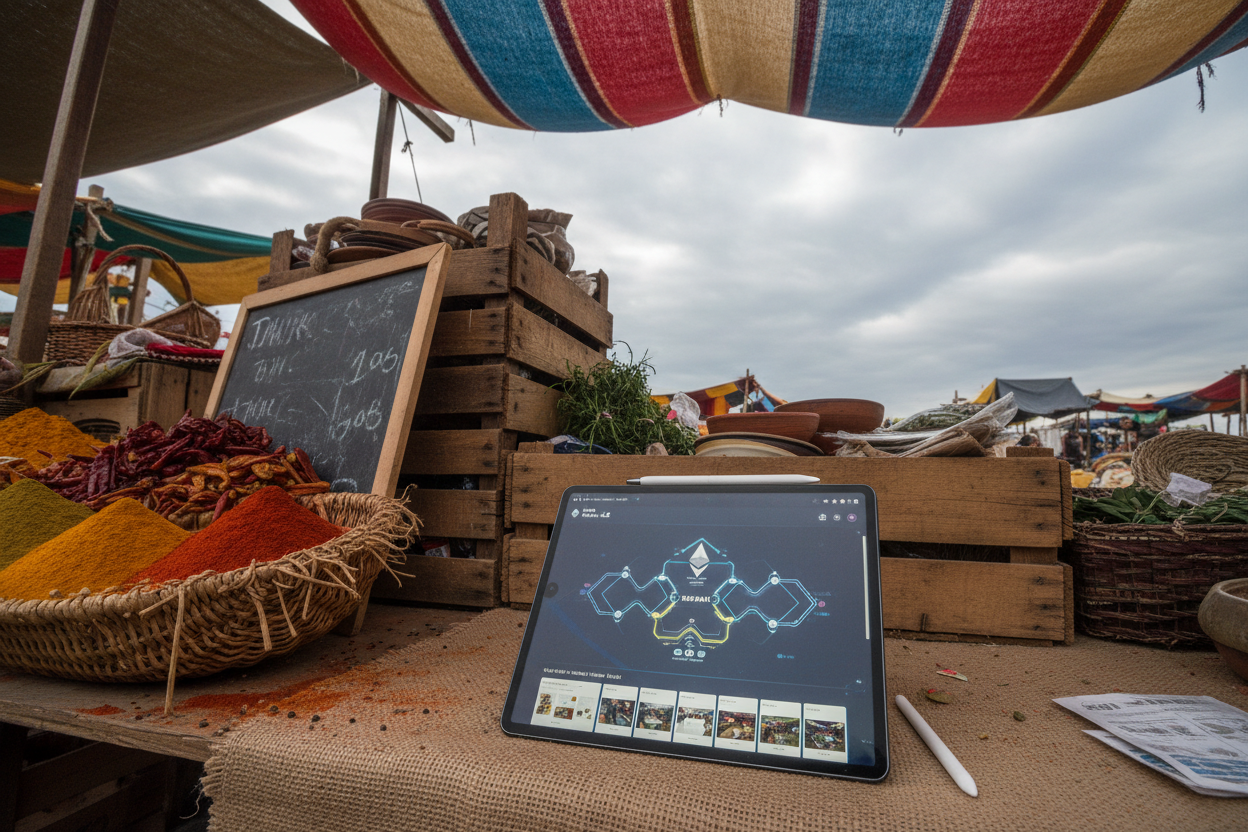
With Ethereum holding steady at $2,277.39 despite a -1.84% dip over the past 24 hours, the push for custom L3 templates atop L2 networks gains tactical urgency. Developers building app-specific chains now wield tools that slice through congestion, delivering sovereign environments tuned for DeFi protocols, social graphs, or gaming loops without Ethereum mainnet’s punishing fees.

L3s, often dubbed appchains, stack atop L2 rollups to inherit security while carving out dedicated blockspace. This modular approach sidesteps the compromises of monolithic L2s, where one app’s traffic chokes another’s throughput. Picture Lens Protocol’s social infrastructure: a ZK-powered L3 optimizing feeds and interactions on Optimism, proving Ethereum L2 appchains excel in niche dominance.
Unpacking L3 Supremacy in App-Specific Design
Layer-3 chains redefine sovereignty by settling to L2s like Arbitrum or ZKsync, blending Ethereum’s liquidity with hyper-custom execution. Unlike sidechains that fork security models, true L3 rollups post data to L2s, slashing costs 10x further while enabling wild customizations: native gas tokens, alternative VMs, even non-EVM langs via WASM. Zeeve’s playbook nails it; appchains mimic L1 efficiency at L2 prices, ideal for high-velocity dApps.
Custom L3 Templates: Frameworks, Key Strengths, and Customization Layers
| Framework | Key Strength | Customization Layer |
|---|---|---|
| ZK Stack | Hyperscalability | Consensus and Gas |
| Arbitrum Orbit | Stylus WASM | DA and Sequencing |
| Starknet Appchains | ZK-STARK Privacy | Hash and Consensus |
This tactical layering crushes monolithic bets. Builders dodge L2 sequencer centralization by rolling their own, fostering elastic networks where chains interlink via gateways. Ethereum L2s aren’t replacing appchains; they’re amplifying them, as Nurturland’s ZK Stack pivot underscores for DeFi liquidity wars.
ZK Stack: Blueprint for Elastic ZK Chains
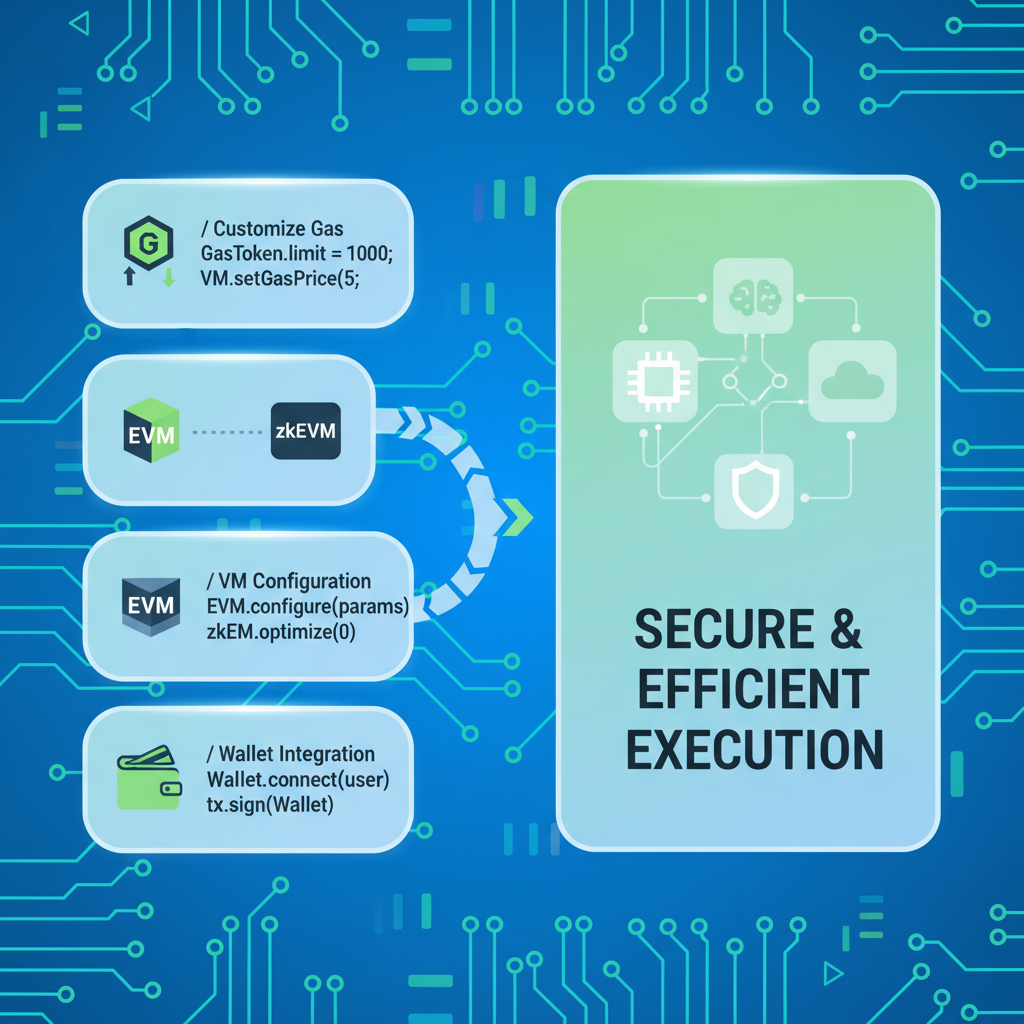
Matter Labs’ ZK Stack emerges as the precision scalpel for L3 app-specific chain templates. Anchored in LLVM zkEVM, it mirrors Ethereum bytecode fidelity while unlocking recursion for infinite scaling. Core to its edge: Elastic Chain Architecture, where ZK Routers orchestrate shared state across autonomous ZK Chains.
- ZK Gateway: Bridges chains to Ethereum, optimizing calldata.
- Custom Sequencers: Centralized for speed or decentralized for resilience.
- Gas Tokens: Ditch ETH for app-native economics.
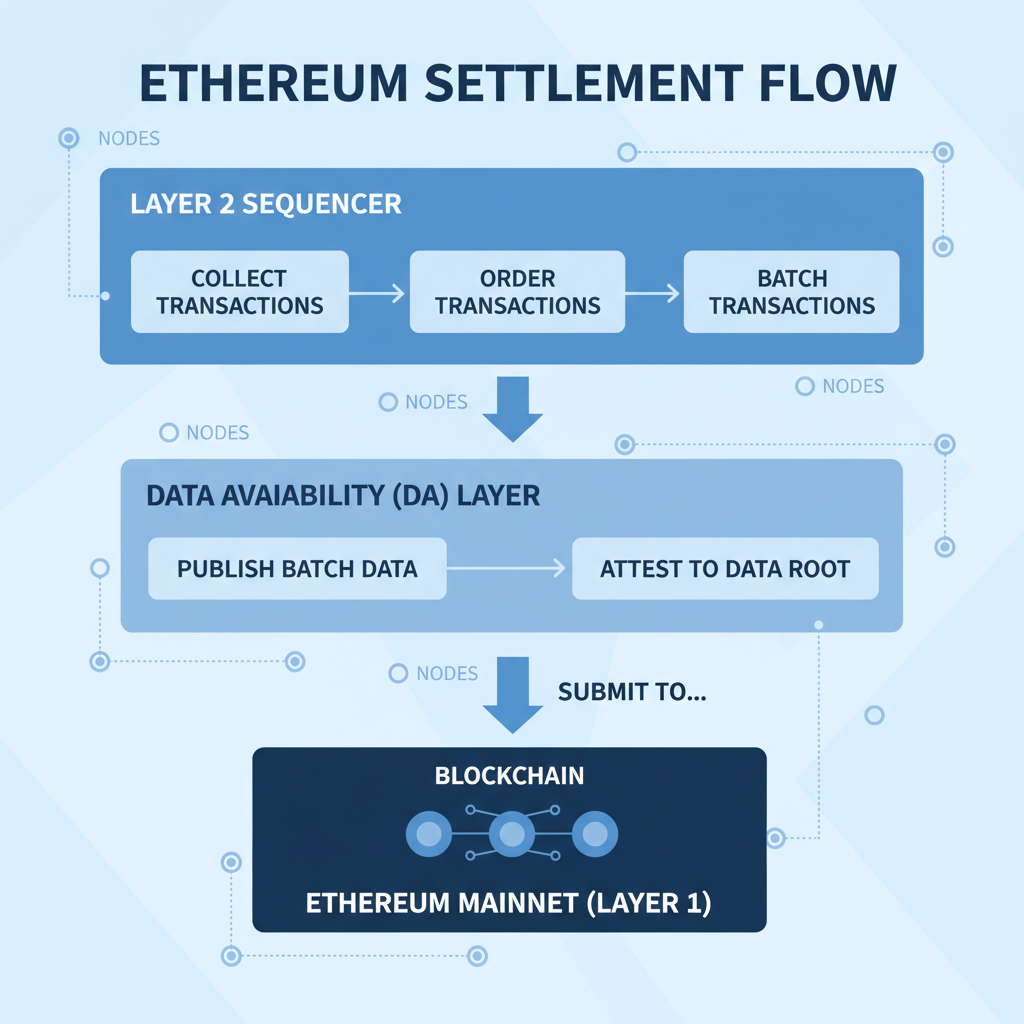
Tactically, deploy data availability on L2s to evade Ethereum’s post-Dencun bloat. Quicknode’s verdict? Ideal for apps demanding EVM parity without L2 governance drag. Syndicate amps this with hosted L3s, bundling explorers and bridges for launch-day polish.
Arbitrum Orbit: Orbiting Custom Rollups with Nitro Power
Offchain Labs flips the script with Arbitrum Orbit, empowering custom L3 boilerplates via optimistic tech. Nitro stack delivers EVM speed, but Stylus injects Rust or C and and contracts, obliterating Solidity’s limits for compute-heavy apps.
- Pick AnyTrust for DA thrift or full rollup purity.
- Tune sequencers: solo for control, distributed for uptime.
- Settle to Arbitrum One, inheriting its $10B TVL moat.
Customization peaks here; swap hash functions or consensus without Starknet’s STARK learning curve. Chainstack’s Starknet flow hints at parallels: spin nodes in minutes, then layer apps. For sovereign chain templates, Orbit’s flexibility suits gaming guilds or prediction markets craving sub-cent txs.
Ethereum (ETH) Price Prediction 2027-2032
Forecast amid L3 adoption trends, custom app-specific chains, and Ethereum scalability enhancements
| Year | Minimum Price (USD) | Average Price (USD) | Maximum Price (USD) |
|---|---|---|---|
| 2027 | $2,800 | $4,200 | $6,500 |
| 2028 | $4,000 | $6,000 | $9,000 |
| 2029 | $5,500 | $8,000 | $12,000 |
| 2030 | $7,000 | $10,500 | $16,000 |
| 2031 | $9,000 | $13,500 | $20,000 |
| 2032 | $11,500 | $17,000 | $25,000 |
Price Prediction Summary
Ethereum (ETH) is forecasted to experience robust growth from 2027 to 2032, with average prices climbing from $4,200 to $17,000—a CAGR of ~32%. This bullish outlook is anchored in L3 innovations like ZK Stack and Arbitrum Orbit, boosting scalability, dApp adoption, and TVL. Minimums reflect bearish cycles or regulatory hurdles, while maximums capture bull runs tied to halvings and mass adoption.
Key Factors Affecting Ethereum Price
- Rapid adoption of custom L3 templates (ZK Stack, Arbitrum Orbit, Starknet Appchains) enhancing Ethereum L2 scalability and app-specific customization
- Reduced transaction costs and hyperscalability attracting developers and DeFi/NFT/social dApps
- Market cycles influenced by Bitcoin halvings in 2028/2032, driving altcoin rallies
- Regulatory developments favoring clear frameworks for rollups and appchains
- Competition from modular blockchains balanced by Ethereum’s network effects and security
- Increased institutional inflows and TVL growth in Ethereum ecosystem amid ZK tech maturity
Disclaimer: Cryptocurrency price predictions are speculative and based on current market analysis.
Actual prices may vary significantly due to market volatility, regulatory changes, and other factors.
Always do your own research before making investment decisions.
Starknet Appchains carve a privacy fortress with ZK-STARKs, sidestepping optimistic fraud proofs for quantum-resistant proofs. Developers gain rapid iteration, tweaking hash functions or consensus without L2 timeline shackles. Chainstack’s node spin-up exemplifies the speed: pick cloud, deploy, conquer app-specific throughput. For L3 development templates, this means sovereign chains that inherit Ethereum L2 security while running bespoke STARK logic for DeFi vaults or NFT mints demanding ironclad confidentiality.
Starknet and amp; Beyond: Rapid Appchain Deployment Tactics
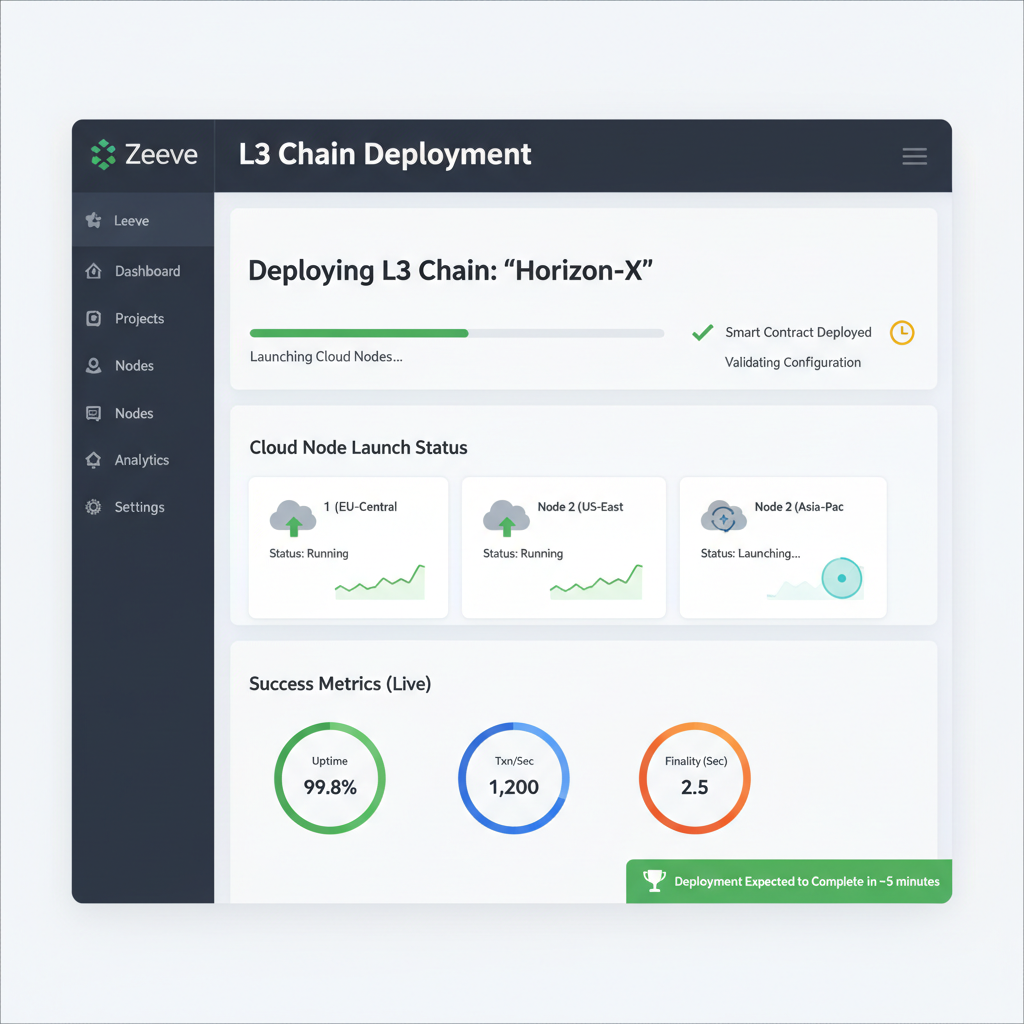
Syndicate’s hosted L3s target pragmatists, delivering dedicated blockspace with pre-baked tooling: explorers, bridges, even gas subsidies. No ops drudgery; focus on app logic. Zeeve elevates this to enterprise grade, low-code rollups compliant with SOC 2 and GDPR. Their stack supports custom L3 boilerplates across L1-L3, bundling plugins for seamless launches. Tactical edge? These platforms compress months into days, letting builders test sovereign assumptions amid Ethereum’s $2,277.39 steadiness.
Deploy Custom L3 Appchains: Tactical 5-Step Blueprint
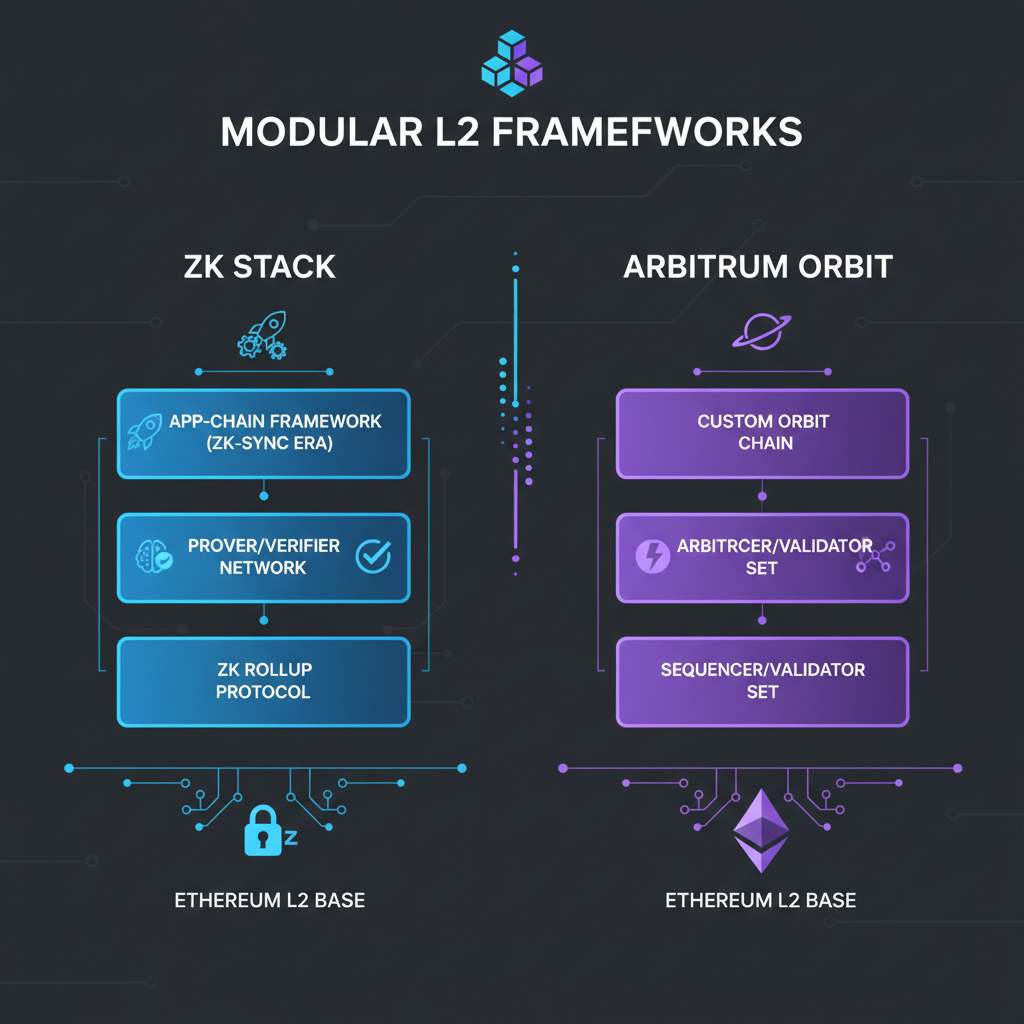
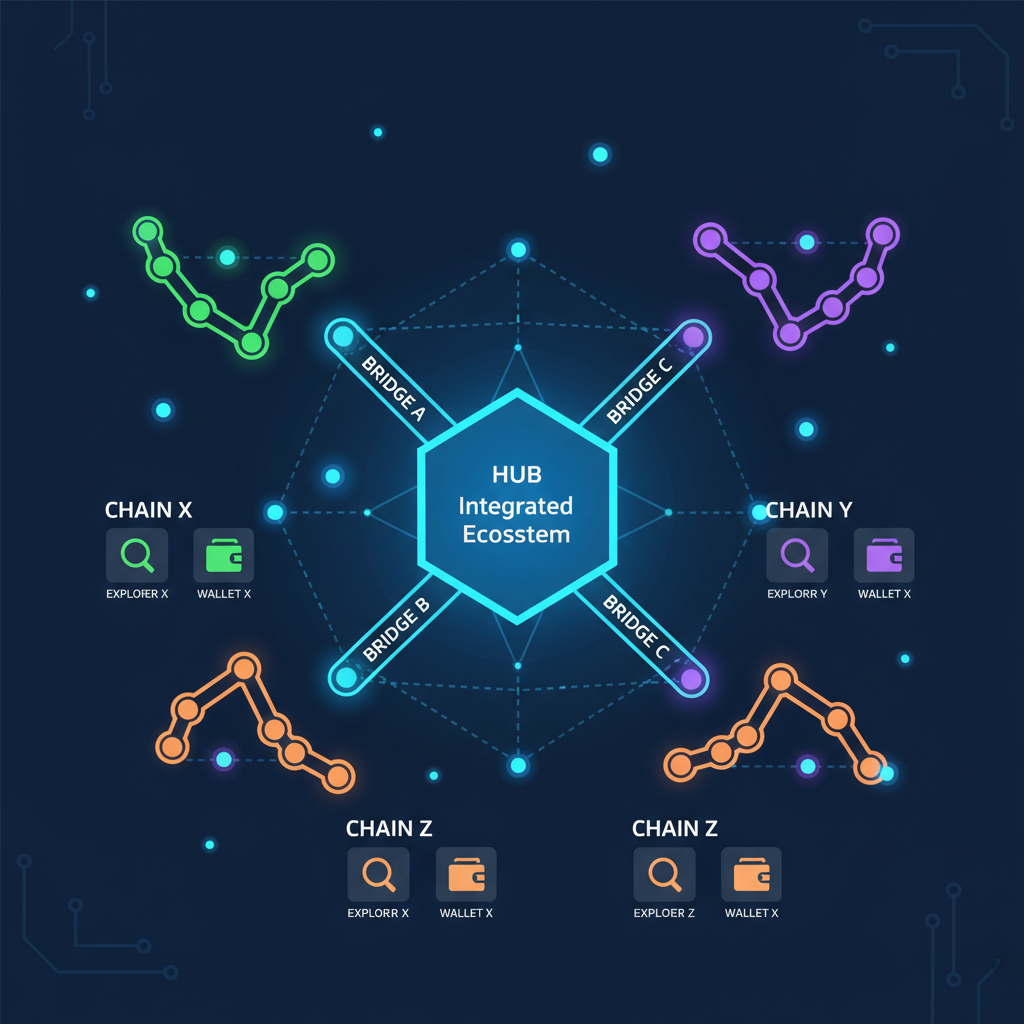
Modular supremacy demands comparison. ZK Stack prioritizes recursion for infinite chains; Arbitrum Orbit flexes WASM for non-EVM natives; Starknet locks in privacy proofs. All settle to L2s, dodging L1 calldata spikes post-Dencun. Builders of Ethereum L2 appchains must weigh: EVM fidelity or exotic langs? Centralized speed or decentralized trust? The matrix clarifies paths to hyperscale.
- Hyperscalability: ZK Stack’s recursion chains L3s endlessly.
- Language Freedom: Orbit’s Stylus welcomes Rust for gaming/physics sims.
- Privacy First: Starknet’s STARKs shield high-value txs.
Real-world plays validate: Lens Protocol’s L3 social stack on Optimism feeds billions of interactions at sub-cent costs. Autobahn Network’s rollup education echoes this; L3s interweave with L2s for Ethereum’s grand scale. Reddit threads buzz with L3s stacking atop multiple L2s, pooling liquidity without silos. Guardarian’s layer breakdown confirms: L3s own the app layer, turbocharging DeFi or NFTs beyond L2 generics.
Hedging L3 Builds: Market Volatility Meets Sovereign Chains
As ETH navigates its 24-hour range from $2,115.33 to $2,329.15, L3 deployments offer a volatility hedge. Dedicated blockspace insulates apps from L2 sequencer auctions, stabilizing UX during dumps. Tactically, pair sovereign chain templates with on-chain metrics: monitor sequencer centralization via Dune dashboards, hedge gas wars with custom tokens. My Series 7 lens spots parallels to options Greeks; delta-neutral L3s via native gas mimic covered calls, leveraging L2 liquidity without mainnet gamma risk.
Supra’s appchain guide frames L3s as the endgame: app-specific sovereignty atop L2 muscle. Changelly simplifies: L3s host DeFi/NFTs natively. Bitium Agency pushes OP Stack or Orbit for Ethereum inheritance. Muhammad Taqi’s builder series warns L3s remain R and D frontiers, yet frameworks mature fast. LinkedIn’s DeFi takes affirm L2s evolve appchains, not eclipse them.
L3Boilerplate. com arms you with premium templates fusing these stacks: ZK, Orbit, Starknet-ready kits with docs, marketing hooks, SEO frameworks. Deploy faster, hedge smarter. Ethereum’s modular ascent demands it; your appchain sovereignty starts here.