
Why L3 appchains need specialized DevRel
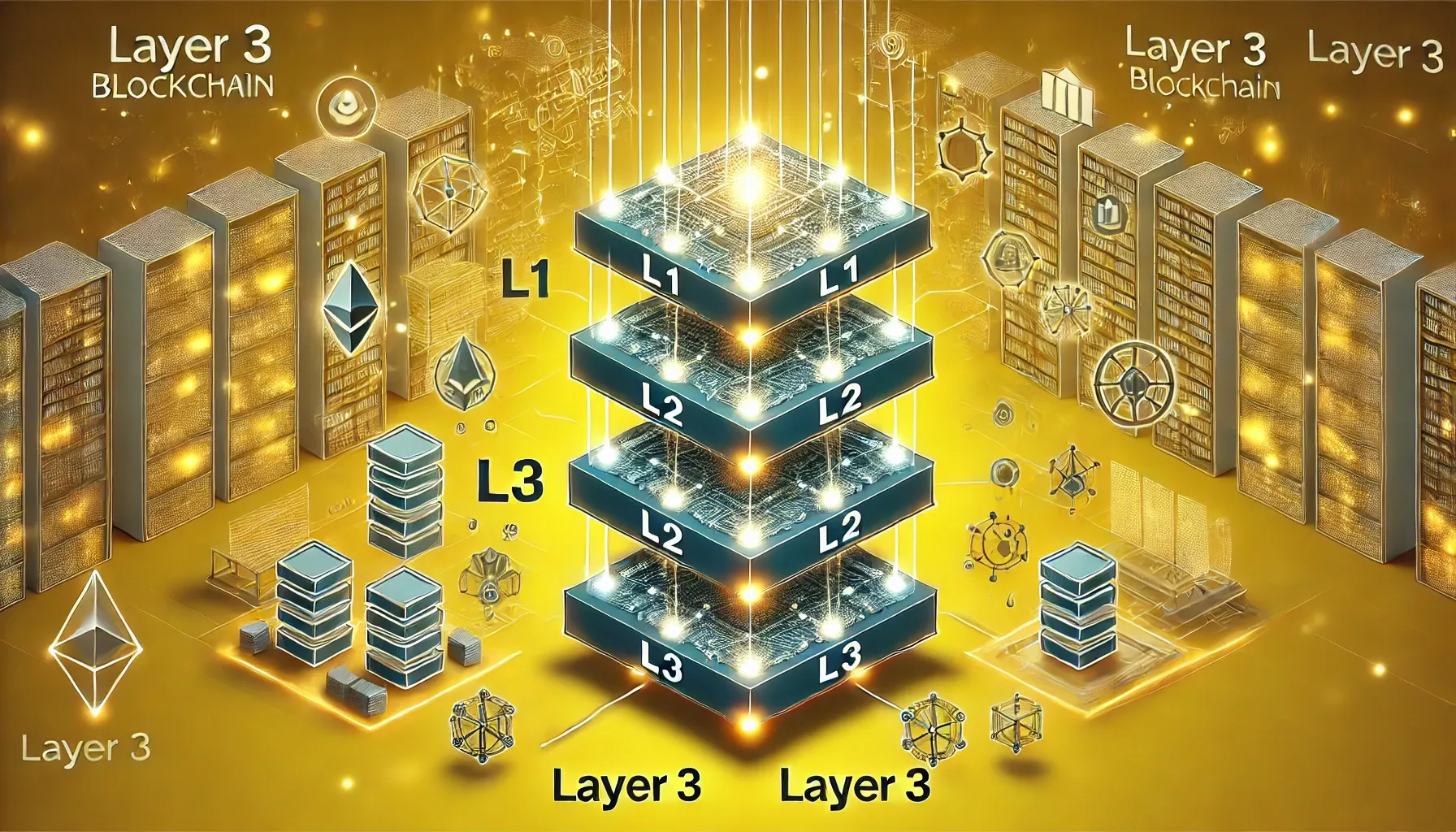
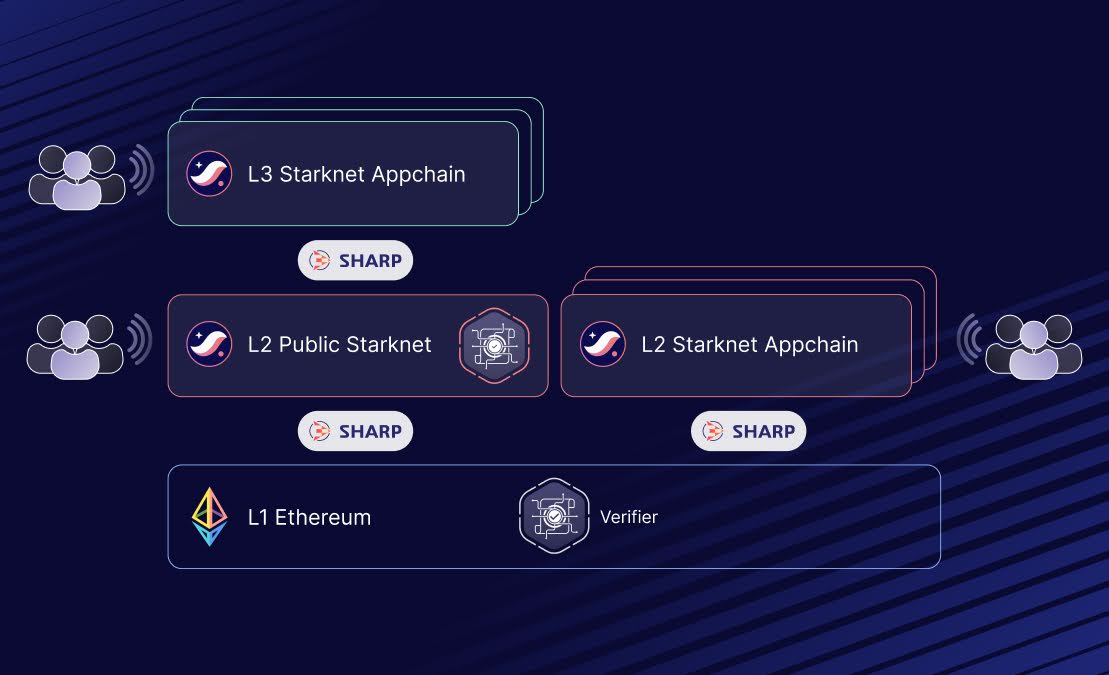
Layer 3 (L3) appchains introduce a distinct architectural complexity that generic developer boilerplates cannot address. Unlike traditional Layer 1 blockchains that settle directly on a base protocol, L3s are app-specific chains that settle their transactions on a Layer 2 network first. This modular setup creates a dependency chain: the L3 depends on the L2 for security and finality, and the L2 depends on the underlying Layer 1.
Generic boilerplates often assume a direct relationship between the application and the base chain. They fail to account for the bridging mechanics, gas fee abstraction, and cross-chain messaging protocols required to move assets and data between the L3, the L2, and the L1. For developers, this means the standard "deploy and forget" mentality is insufficient. They must understand how their appchain interacts with the settlement layer's state roots and fraud proof mechanisms.
This architectural nuance demands a specialized DevRel approach. Developer education must cover not just smart contract logic, but also the operational realities of maintaining an appchain that relies on another chain for its security guarantee. Without clear documentation and tailored tooling, developers face significant friction in debugging state mismatches or optimizing gas costs across multiple layers. Specialized boilerplates provide the necessary abstractions to hide this complexity, allowing teams to focus on application logic rather than cross-layer integration.
Core features for scalable L3 development
An L3 appchain boilerplate must solve the trilemma of customizability, settlement security, and operational cost. Without a standardized technical baseline, developers waste cycles rebuilding infrastructure rather than shipping application logic. The following features define the modern L3 architecture.
Modular data availability
L3s offload data to specialized availability layers, allowing the execution layer to remain lean and fast. By decoupling data storage from computation, an L3 boilerplate can support high-throughput applications without bloating the base L2 chain. This modularity is the primary driver for L3 scalability, enabling chains to handle thousands of transactions per second while maintaining low fees. Developers should prioritize boilerplates that integrate with Celestia or EigenDA to leverage this distributed data availability network.
L2 settlement hooks
Security for an L3 ultimately rests on its parent L2. A robust boilerplate includes pre-built hooks for settlement, ensuring that transaction proofs are submitted to the L2 rollup or sidechain contract. This creates a hierarchical trust model where the L3 benefits from the L2’s security guarantees without inheriting its congestion. These hooks manage the finality bridge, allowing assets to move between layers with cryptographic proof of validity.
Gas abstraction
User experience collapses when users must hold native tokens for every layer’s gas fees. Modern L3 boilerplates implement account abstraction to allow gas payment in stablecoins or to subsidize fees via meta-transactions. This feature abstracts the underlying complexity, letting users interact with the L3 appchain as if it were a standard web2 application. For developers, this means higher retention and lower friction onboarding.
Throughput context
The need for these features becomes clear when comparing raw throughput. L2s handle hundreds of transactions per second, while L3s can scale to tens of thousands. The following chart illustrates the throughput disparity between major L2 networks and the potential capacity of L3 appchains.
Comparing top L3 appchain frameworks
Choosing an L3 boilerplate is a structural decision that dictates your DevRel trajectory. The right framework reduces the friction of community onboarding by providing standardized tooling, while the wrong one forces you to build basic infrastructure from scratch.
The current landscape is dominated by OP Stack variants, Starknet L3s, and emerging modular solutions like Citrea. Each offers distinct advantages for developer relations, particularly in how they handle settlement, data availability, and existing ecosystem integration.
Framework comparison
The following table outlines the core architectural differences between leading L3 options. These metrics directly impact the ease of onboarding new developers and the clarity of your technical documentation.
| Framework | Settlement Layer | Data Availability | DevRel Readiness |
|---|---|---|---|
| OP Stack (Base/Citrea) | Ethereum L2 (Base/Citrea) | Ethereum DA / Celestia | High (Standardized tooling, large ecosystem) |
| Starknet L3 | Starknet L2 | Starknet DA / Ethereum | Medium (Specialized tooling, smaller community) |
| Citrea Bitcoin L3 | Citrea L2 | Modular DA | Medium (Newer, Bitcoin-specific focus) |
OP Stack variants, such as those built on Base, offer the highest DevRel readiness due to the maturity of their tooling and the sheer size of their existing developer community. Developers are already familiar with the stack, reducing the learning curve for your app.
Starknet L3s provide powerful validity proofs but come with a steeper learning curve. DevRel efforts must focus heavily on education and specialized tooling support, which can slow initial adoption but attracts a highly technical niche.
Citrea represents a newer approach, allowing Bitcoin appchains to settle on Citrea. This is ideal for projects specifically targeting Bitcoin liquidity or security, but the DevRel ecosystem is still maturing compared to the OP Stack.
Market context
Understanding the broader market dynamics helps contextualize these technical choices. The value of L3 tokens and the underlying L2s often correlates with the adoption of these frameworks.
Embed DevRel tools into the L3 stack
Integrating developer relations (DevRel) kits directly into your L3 appchain boilerplate transforms passive documentation into active engagement. Rather than relying on external links that pull users away from your ecosystem, you embed the tools they need—grant portals, community onboarding, and support bots—directly into the development workflow.
This approach reduces friction for new builders. When a developer encounters a hurdle, the solution is not a separate webpage but a functional component within the appchain environment. This seamless integration is critical for high-stakes projects where user retention and rapid adoption are paramount.
Step 1: Integrate Discord and community bots
Start by embedding your primary communication channels. Use official SDKs to connect your L3’s transaction events to Discord bots. This allows for real-time notifications when grants are claimed or milestones are hit, keeping the community engaged without manual intervention.
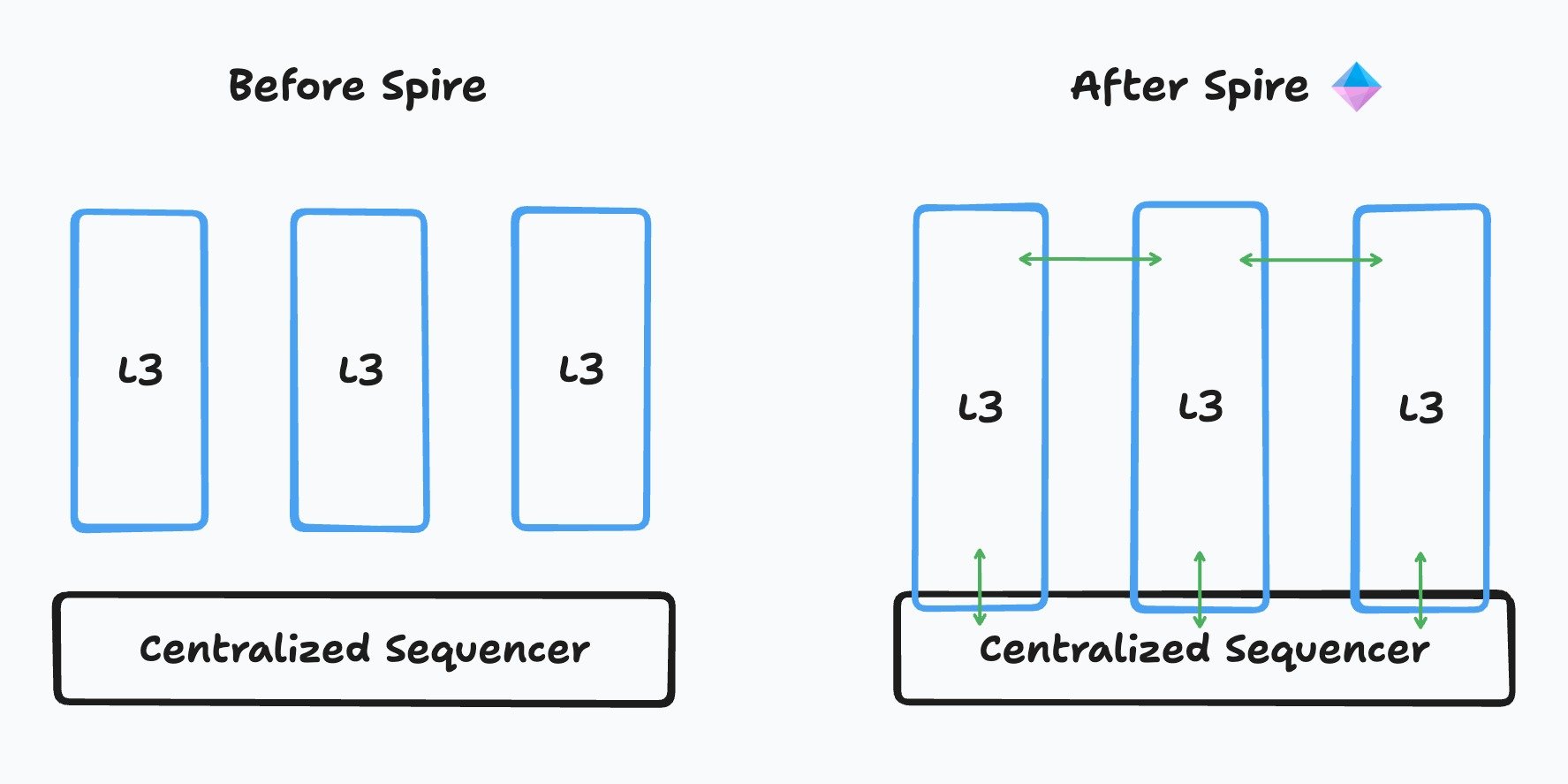
Configure your appchain’s event listeners to trigger Discord webhooks. This ensures that community milestones, such as grant approvals or new contributor onboarding, are broadcast instantly. Use official bot SDKs to maintain security and reduce latency. This creates a live feedback loop that keeps developers informed and active within the ecosystem.
Replace static application forms with interactive components within your boilerplate. Integrate grant application portals directly into the developer dashboard. This allows builders to submit proposals, track status, and receive funds without leaving the appchain environment. Streamlined onboarding reduces drop-off rates and accelerates the path from idea to deployment.
Embed contextual help widgets that pull from your official documentation. When a developer encounters an error in the boilerplate code, the widget should offer immediate, relevant solutions. This reduces the burden on your support team and provides a self-service experience that scales with your user base.
Step 2: Validate integration and monitor adoption
Once the tools are embedded, monitor their usage through analytics. Track metrics such as grant application completion rates and support widget engagement. These data points provide concrete evidence of how effectively your DevRel kits are integrating into the stack and where further refinements are needed.
Common L3 deployment mistakes to avoid
Building a Layer 3 appchain offers significant scalability, but the architecture introduces specific failure points that can cripple user adoption and security. Many teams treat the L3 as a standalone product rather than an extension of the underlying settlement layer, leading to structural fragility.
Ignoring Liquidity Routing Liquidity fragmentation is the most immediate threat to an L3’s viability. If the L3 does not have clear, efficient bridges to the L2 and L1 for asset movement, users face high gas costs and slow transaction finality. Poor routing forces users to hold assets on centralized exchanges rather than within the ecosystem, defeating the purpose of a decentralized appchain.
Unclear Settlement Narratives An L3 must clearly define how it settles proofs on the L2. Teams often delay defining this narrative, assuming it will be solved later. This ambiguity confuses developers and investors who need to understand the security guarantees. The StarkWare documentation emphasizes that L3s are typically developed as appchains tailored for a specific purpose, which requires a tight coupling with the L2’s data availability and settlement layers [src-serp-1].
Over-Engineering the Stack Many projects over-complicate their tech stack by adding unnecessary abstraction layers. This increases development time and maintenance overhead without providing proportional user value. Stick to the minimum viable infrastructure needed to support your app’s specific needs.
| Common Mistake | Business Impact |
|---|---|
| Poor Liquidity Routing | High user churn, low TVL |
| Unclear Settlement | Developer confusion, security risks |
| Over-Engineering | Delayed launch, high costs |
Frequently asked questions about L3 appchains
What is an L3 appchain? An L3 appchain is an application-specific blockchain that settles transactions on a Layer 2 network rather than directly on Ethereum. This architecture allows developers to build chains tailored for specific purposes, such as gaming or social apps, while leveraging the security of the underlying L2.
Why use a DevRel kit for L3 development? L3 appchains require specialized tooling to manage blockspace, gas models, and user onboarding. DevRel kits provide the boilerplate code and documentation needed to scale these chains efficiently, reducing the time to market for complex dApps.
How do L3s differ from L2s? While L2s focus on general-purpose scaling for the entire Ethereum ecosystem, L3s are often dedicated to a single app or vertical. This specialization enables faster block times and lower costs for specific use cases, as seen in projects like Metacade on Base.
Helpful gear
Use these product recommendations as a starting point, then choose the size, material, and price point that fit how you actually use the gear.

As an Amazon Associate, we may earn from qualifying purchases.
No comments yet. Be the first to share your thoughts!