
The l3 appchain limits to account for
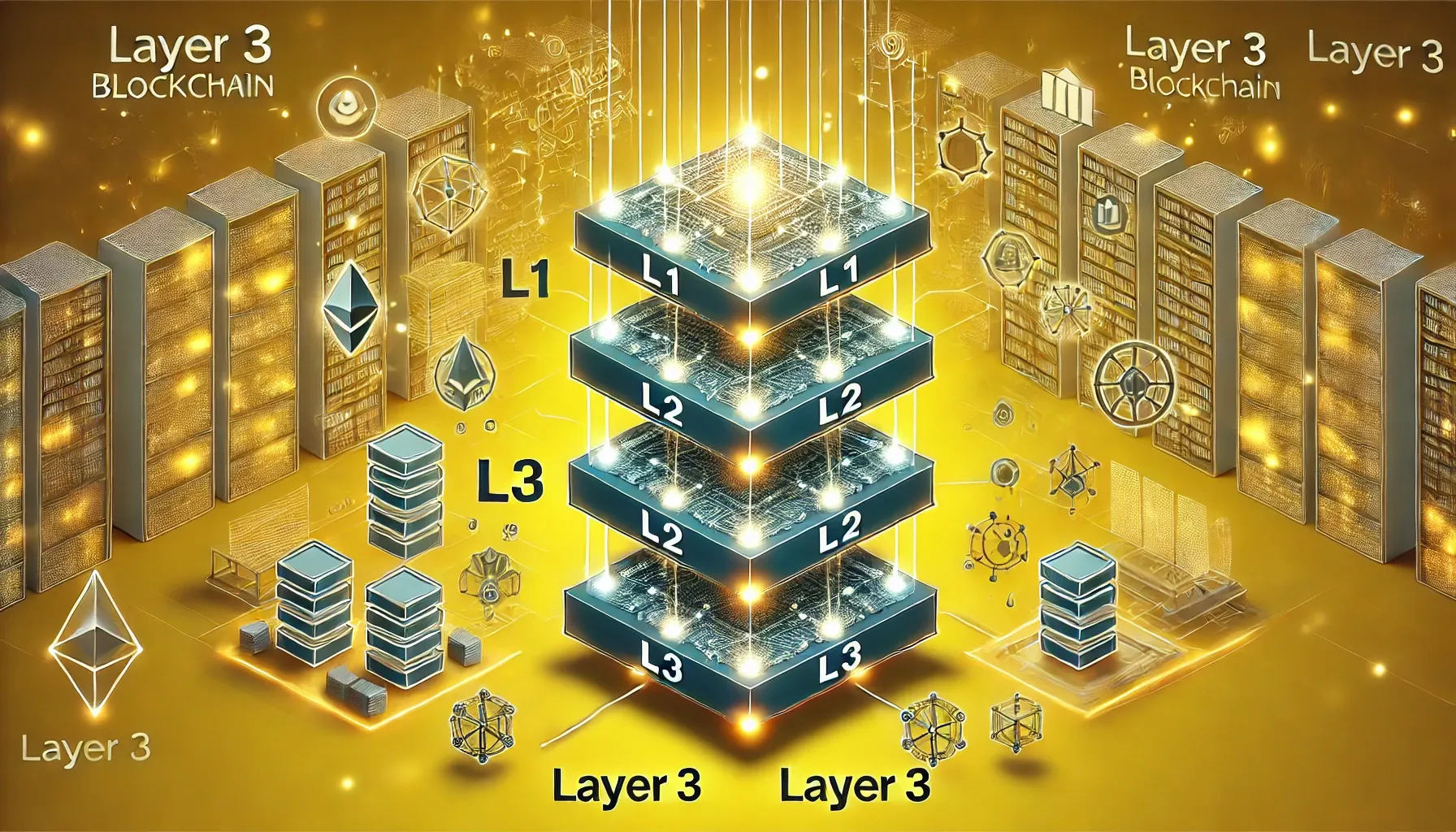
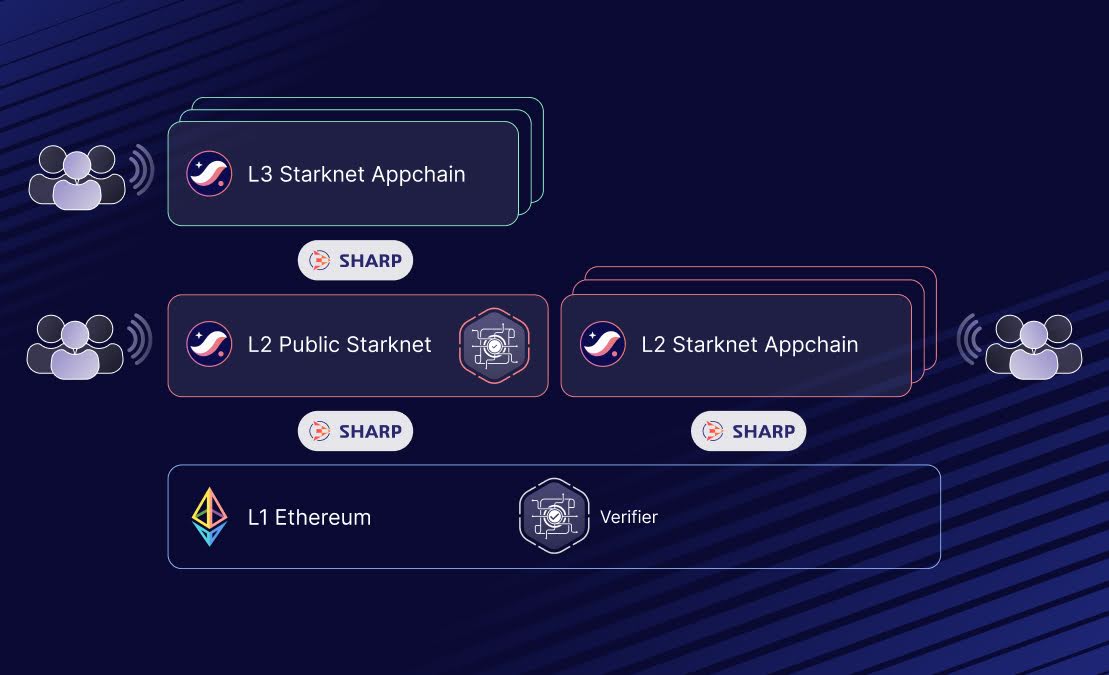
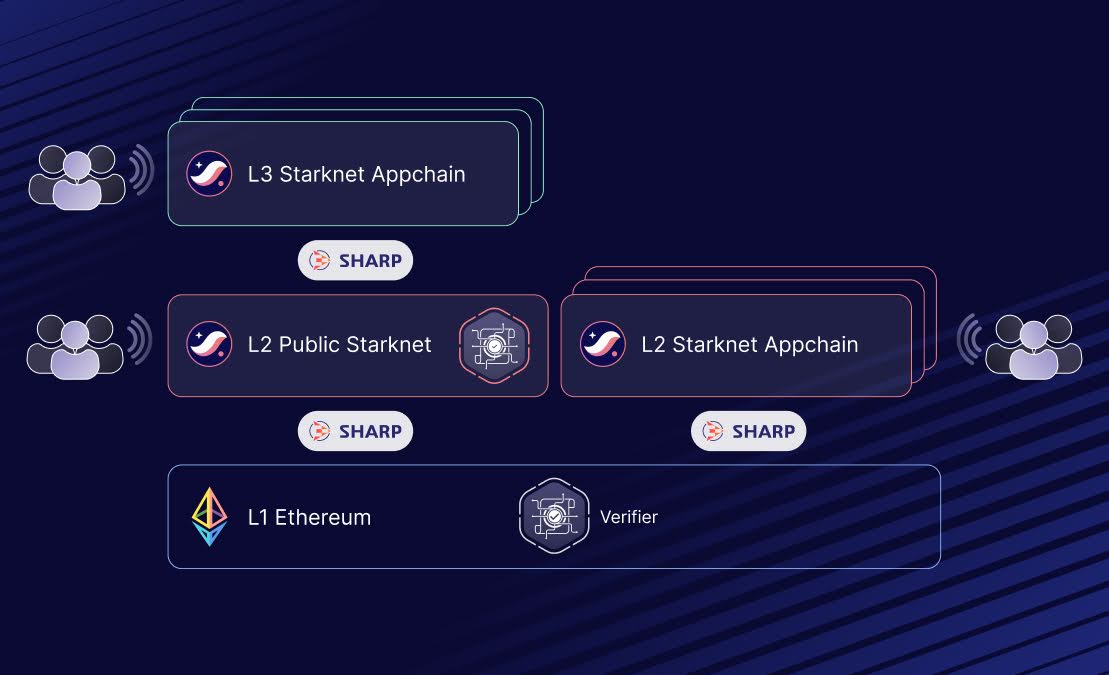
Layer 3 appchains solve the scalability bottleneck by moving execution off the main chain, but they introduce a strict composability constraint. Unlike L2 rollups that settle directly on Ethereum mainnet, L3s settle on an L2. This creates a two-hop dependency: your appchain must prove its state to the L2, and the L2 must prove that to the L1.
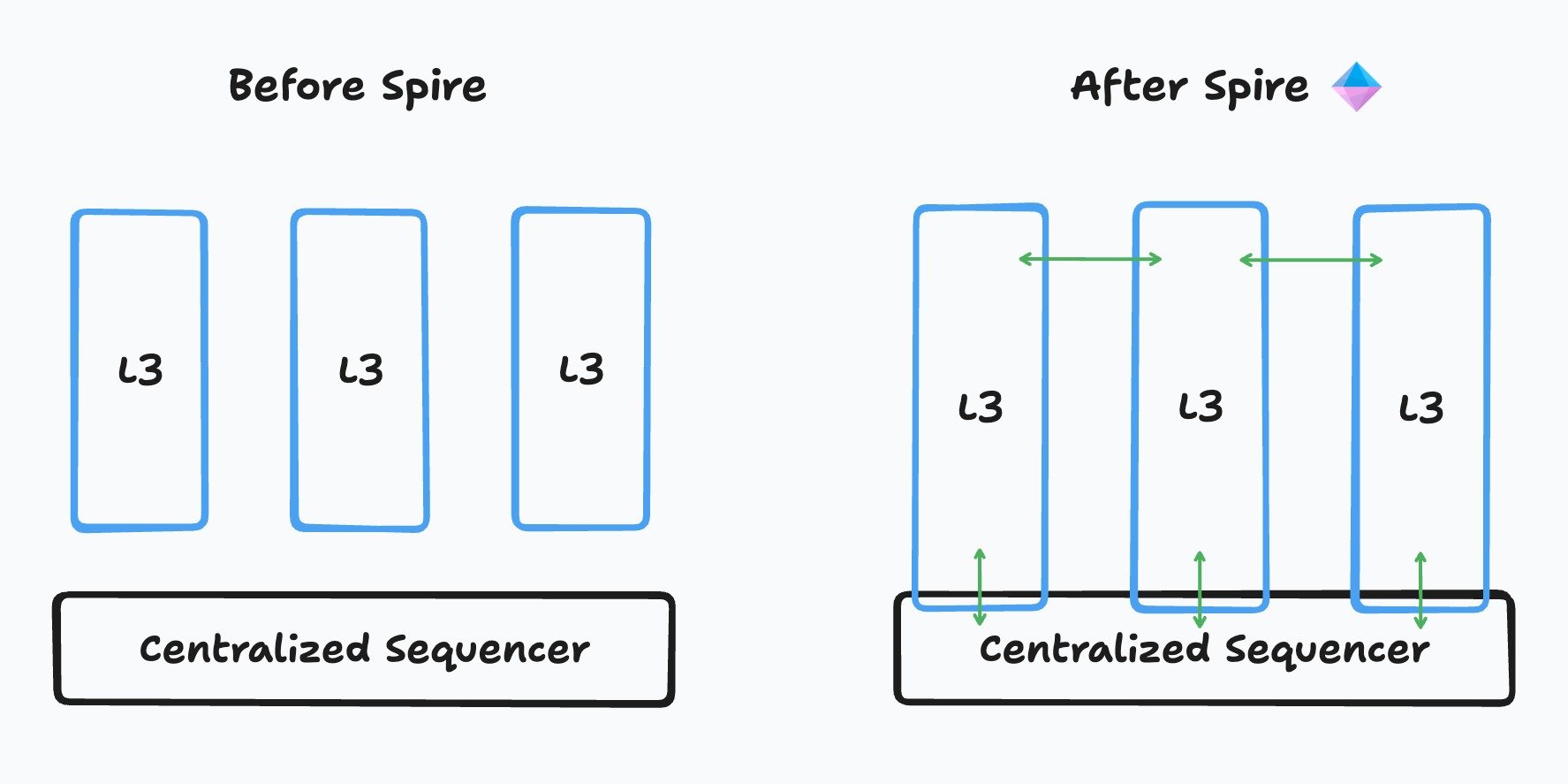
This architecture offers greater customizability for builders who need to fully control dApp logic, as noted by StarkWare. However, it requires synchronous composability to feel seamless. If the settlement layer is slow, the user experience degrades. The Spire Pylon demo highlights this by showcasing synchronous composability between an L3 appchain and its Base settlement layer, proving that the latency gap can be bridged with the right infrastructure.
When evaluating L3 boilerplates, prioritize those that handle cross-layer message passing efficiently. A fragmented L3 ecosystem forces users to bridge assets multiple times, increasing friction and risk. The constraint isn't just technical; it's economic. You are trading some decentralization for speed, but only if the settlement layer remains robust.
L3 appchain choices that change the plan
Choosing an L3 appchain means balancing control against complexity. Unlike monolithic L1s or shared L2s, an L3 gives you a dedicated execution environment. This isolation allows for custom gas tokens, tailored virtual machines, and specific privacy features. However, this freedom comes with the cost of managing your own sequencer, validator set, and security model. You must decide how much infrastructure debt you are willing to take on for the sake of performance and customization.
The primary tradeoff lies in composability and security. Settling on an L2 like Base or Arbitrum keeps you close to Ethereum’s security, but it can fragment liquidity. Users may face friction when bridging assets between your L3 and the wider ecosystem. Conversely, building on an L1 offers deep composability but lacks the scalability and customization of an L3. You need to evaluate whether your users prioritize seamless cross-chain interactions or isolated, high-throughput execution.
Cost and developer experience also play critical roles. L3s often reduce gas fees significantly by batching transactions off-chain. This benefit is substantial for high-frequency applications like gaming or social feeds. However, the tooling for L3 development is still maturing. You may encounter gaps in documentation, fewer existing SDKs, and a smaller pool of experienced developers compared to established L2s. The decision ultimately hinges on whether your specific use case justifies the initial setup overhead.
| Factor | L1 | L2 | L3 |
|---|---|---|---|
| Security | Highest (native) | High (shared) | Medium (depends on L2) |
| Customization | Low | Medium | High |
| Composability | High | High | Low (isolated) |
| Cost | High | Medium | Low |
| Dev Complexity | Low | Medium | High |
Choose the next step
2026 guide: Building Scalable Apps with L3 Appchain Boilerplates & DevRel Kits works best as a clear sequence: define the constraint, compare the realistic options, test the tradeoff, and choose the path with the fewest hidden costs. That order keeps the advice usable instead of decorative. After each step, pause long enough to check whether the recommendation still fits the reader's actual situation. If it depends on perfect timing, unusual access, or a best-case budget, include a simpler fallback.
Spot Weak Options and Misleading Claims
Boilerplates promise speed, but not all L3 appchain setups deliver. Many devrel kits mask high gas fees or poor liquidity under the guise of scalability. Before committing, verify the settlement layer’s actual throughput and the cost of bridging assets back to L1.
Check if the boilerplate supports synchronous composability. Some solutions require manual bridge transactions, which breaks user flow and increases friction. Tools like Spire’s Pylon demonstrate true L3 integration on Base, where the appchain settles directly on L2 without complex bridging steps. This distinction matters for user retention.
Watch out for hidden infrastructure costs. While devrel kits may be free, the underlying node infrastructure or RPC limits can become expensive at scale. Ensure the kit includes clear documentation on scaling limits and offers a path to dedicated nodes if your app grows. Always test with real-world load, not just local dev environments.
Finally, verify the security model. Does the appchain inherit security from its L2 parent, or does it rely on a separate validator set? Relying on a weak validator set can expose your app to reorgs or attacks. Prioritize kits that clearly define their security assumptions and provide audit reports or formal verification results.
L3 appchain: what to check next
Before committing to an L3 appchain boilerplate or DevRel kit, it helps to understand how these chains differ from the broader ecosystem and what trade-offs they introduce. Below are common questions about L3 architecture, settlement, and the broader Layer 1 landscape.
Helpful gear
Use these product recommendations as a starting point, then choose the size, material, and price point that fit how you actually use the gear.

As an Amazon Associate, we may earn from qualifying purchases.
No comments yet. Be the first to share your thoughts!