
Get l3 appchain boilerplates right
Before you fork a repository, you need to verify that the codebase matches your operational reality. An L3 appchain boilerplate is not a monolithic template; it is a collection of interconnected primitives—consensus engines, sequencers, and bridge contracts—that must align with your infrastructure constraints. Skipping this alignment phase is the most common reason projects stall during the integration stage.
Start by auditing the language support. Most modern L3 stacks are built on Rust or Go, but some legacy or niche chains rely on Solidity-only tooling. Ensure your team’s expertise matches the primary development language of the boilerplate. If your team is proficient in Solidity but the boilerplate requires deep Rust knowledge for the sequencer layer, you will face significant maintenance overhead. Check the Cargo.toml or go.mod files early to confirm the dependency tree isn’t bloated with unused packages.
Next, evaluate the modular structure. A production-ready boilerplate should separate the execution layer from the settlement layer. Look for clear boundaries between the L2/L3 rollup logic and the base layer contracts. If the codebase tightly couples the sequencer with the bridge contracts, you will struggle to upgrade components independently. Verify that the configuration files allow you to toggle between different consensus mechanisms, such as proving systems or validity proofs, without rewriting core logic.
Finally, check the documentation quality and community activity. A boilerplate is only as good as its support network. Look for recent commits, active issue resolution, and clear setup guides. If the last update was months ago, or if the README lacks specific instructions for local development environments, proceed with caution. You can reference established projects like the LedgerHQ app boilerplate to understand the standard for maintainable, well-documented open-source structures, even if your tech stack differs.
Walk through the steps
Building a production-ready L3 appchain starts with a solid foundation. Open-source boilerplates and developer relations kits provide the necessary scaffolding, reducing the time spent on repetitive infrastructure tasks. By following a structured sequence, you can ensure your chain is secure, scalable, and ready for mainnet deployment.
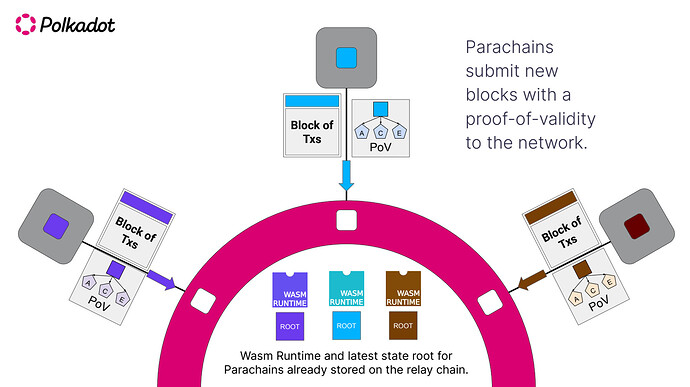
Start by forking a reputable open-source boilerplate. These templates handle the heavy lifting of node configuration, RPC endpoints, and basic chain parameters. Review the documentation carefully to understand the default security settings and network identifiers. Do not commit sensitive keys to version control; use environment variables for all configuration data.
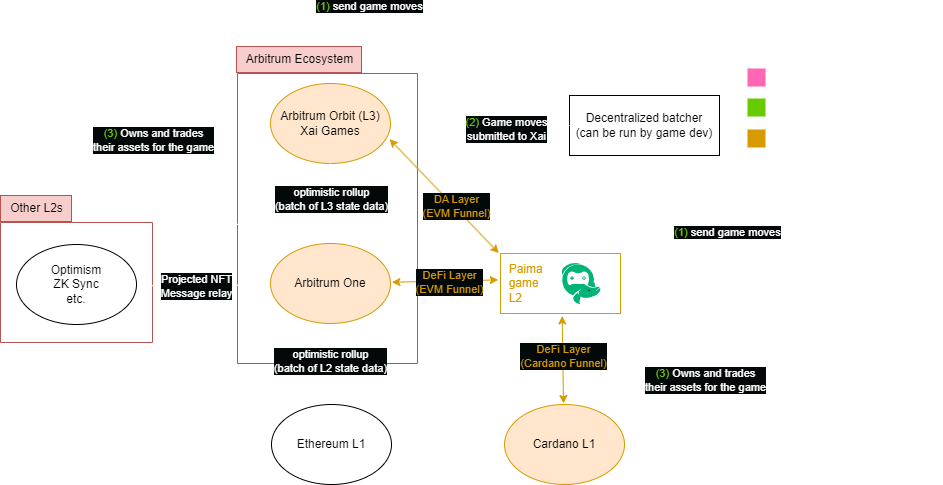
Connect your sequencer to the L3 infrastructure. This component processes transactions locally before batching them to the L2 settlement layer. Ensure the prover is configured to generate valid ZK proofs for state transitions. Test the latency between transaction submission and proof generation to ensure it meets your performance requirements.
A chain is only as useful as its developer ecosystem. Deploy the DevRel kit to create a unified interface for onboarding builders. This typically includes a faucet for testnet tokens, a block explorer, and comprehensive API documentation. Make sure the documentation is searchable and includes code examples in multiple languages.
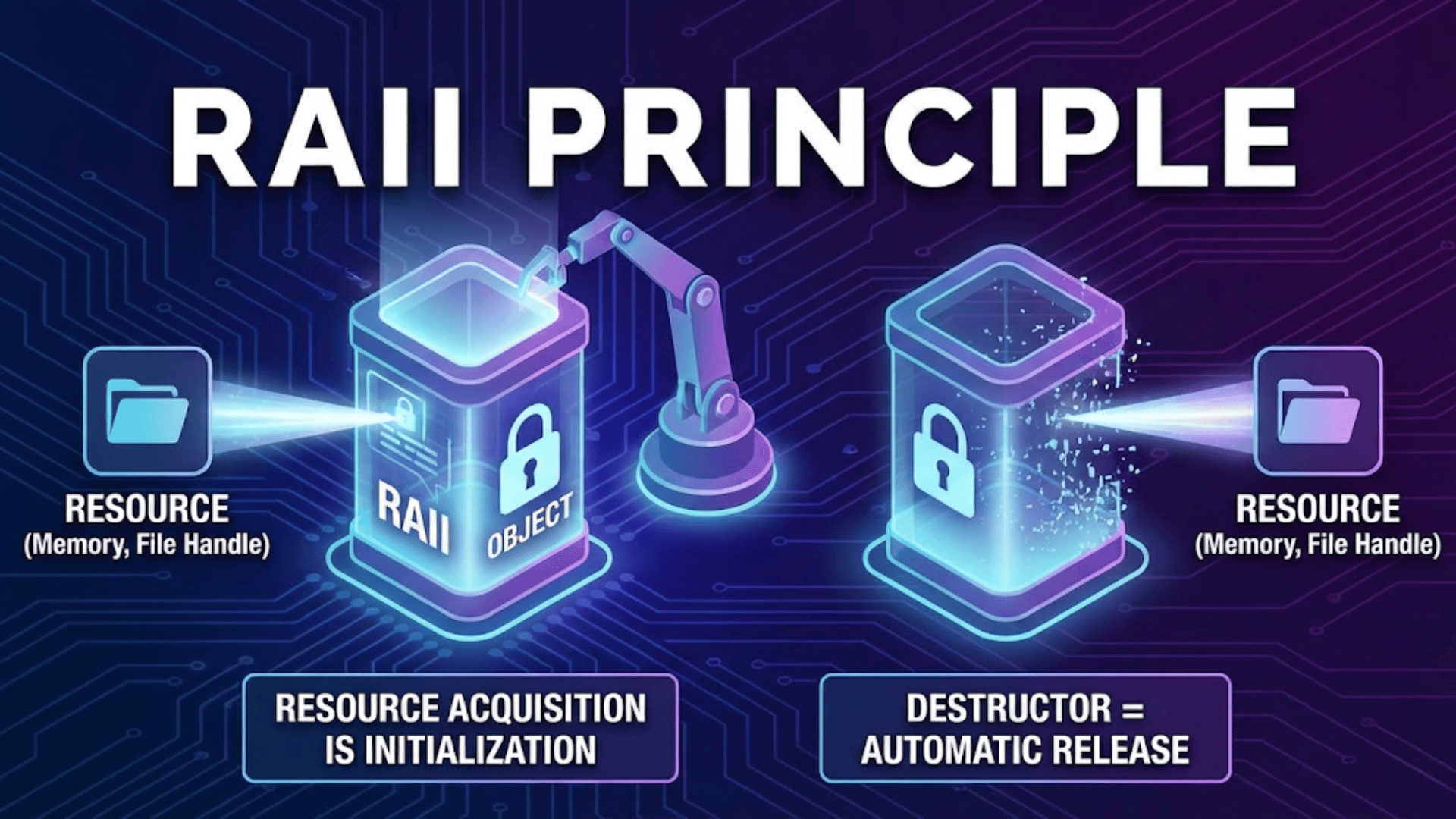
Before going live, execute comprehensive integration tests. Simulate high-load scenarios to stress-test the sequencer and prover. Engage a third-party auditor to review the smart contracts and node software. Address any critical vulnerabilities immediately, as L3 chains are often targeted for exploits due to their perceived complexity.
Launch your L3 on a public testnet to invite external developers. Monitor network metrics closely, looking for dropped transactions or high gas fees. Use feedback from early adopters to refine the developer experience and adjust chain parameters. This phase is crucial for identifying edge cases that internal testing might miss.
After completing the steps, use the following checklist to verify your readiness:
-
Boilerplate forked and environment variables set
-
Sequencer and prover integrated and tested
-
DevRel kit deployed with faucet and explorer
-
Security audit completed with no critical issues
-
Testnet live and monitoring active
Common Mistakes in L3 Appchain Setup
Even with robust boilerplates, deploying an L3 appchain requires precision. The following errors frequently derail production readiness. Addressing them early prevents costly reworks.
Using Deprecated Boilerplates
Many teams start with outdated repositories that lack support for modern EVM optimizations. Always verify the boilerplate’s maintenance status. The LedgerHQ app-boilerplate, for example, is explicitly marked as a reference for existing C apps, not for new development.
Check the repository’s last commit date and issue tracker activity. If the codebase hasn’t been updated in six months or lacks active PR reviews, it is likely deprecated. Relying on stale code introduces security vulnerabilities and compatibility issues with newer L3 rollup standards.
Ignoring Gas Limit Configurations
L3s operate with distinct gas mechanics compared to L1s or L2s. Misconfiguring gas limits causes transaction failures or excessive costs. Ensure your gasLimit parameters align with the specific L3’s block space constraints.
Test transaction payloads under load to determine optimal limits. Hardcoding L1 gas estimates will fail on L3s. Use profiling tools to measure actual gas consumption during stress tests, then adjust your configuration accordingly.
Overlooking Sequencer Centralization
Some appchain templates default to centralized sequencers for simplicity. This undermines the trust-minimized nature of L3 rollups. Verify that your sequencer setup supports decentralization or has clear fallback mechanisms.
Review the sequencer’s consensus mechanism. If it relies on a single validator without a robust dispute resolution process, it poses a centralization risk. Look for templates that integrate with decentralized sequencer networks or provide clear paths to decentralization.
L3 appchain boilerplate: what to check next
Before committing to a development stack, it helps to separate marketing hype from engineering reality. These answers address the practical objections teams face when choosing open-source boilerplates for Layer 3 appchains.
No comments yet. Be the first to share your thoughts!