
Why sovereign rollups matter now
The modular blockchain architecture is shifting from experimental to essential. As network congestion on Ethereum L1s remains a persistent bottleneck, the focus has moved toward specialized execution layers. Sovereign rollups, often implemented as L3 appchains, allow developers to isolate specific applications from shared network resources. This separation ensures that a spike in activity for one dApp does not degrade performance for others.
This structural shift demands speed. Building a custom rollup from scratch is resource-intensive and slow. The 2026 landscape favors standardized boilerplates that handle the complex consensus and data availability mechanics out of the box. By abstracting away the underlying infrastructure, teams can deploy sovereign chains in hours rather than months, focusing instead on product-market fit.
The economic incentive is clear. Developers can capture the full value of their application's transaction fees without sharing revenue with a broader, generic L2. This sovereignty aligns incentives between the protocol and its users, fostering deeper engagement. As the ecosystem matures, the ability to rapidly spin up tailored environments becomes a competitive advantage.
Setup your rollup in five minutes
Launching an L3 appchain boilerplate is less about writing code and more about assembling pre-built blocks. The goal is to get a sovereign rollup running on Starknet or a compatible L2 without managing the underlying sequencer infrastructure. You clone a repository, adjust a few configuration files, and deploy.
This approach removes the heavy lifting of consensus and data availability. You focus on the application logic—your smart contracts and user interface—while the boilerplate handles the rollup mechanics. It is the fastest way to test market fit for a specialized chain.
Clone and configure the repository
Start by selecting a boilerplate that matches your target L2. Rollkit and Orbit-inspired templates are the most common starting points for 2026. Clone the repository to your local environment. This gives you the base node, RPC endpoints, and basic contract interfaces.
Next, open the configuration file. You will need to define your chain ID, gas token, and initial validator set. If you are using a Starknet-based boilerplate, ensure you have the correct account addresses for deployment. This step defines the identity of your rollup.
Deploy the infrastructure
With the configuration set, you are ready to deploy. Run the deployment script provided in the boilerplate. This command spins up the sequencer node, the prover, and the data availability layer. It connects your rollup to the underlying L2's bridge contracts.
Check the terminal output for any errors. If the deployment fails, it is usually due to a misconfigured network ID or insufficient gas in the deployment account. Once the nodes are live, you will see RPC endpoints generating blocks. Your L3 appchain boilerplate is now operational.
Integrate and test
The final step is connecting your frontend and smart contracts to the new RPC endpoint. Update your web3 provider configuration to point to your local or hosted rollup URL. Deploy your contracts to the new chain and run a basic transaction test.
This verification ensures your application logic works within the rollup environment. Once confirmed, you can expose the RPC endpoint to the public. Your L3 appchain boilerplate is now live, ready for users.
Essential Hardware for L3 Development
Running a local sequencer and prover node requires reliable hardware. You need a machine that can handle concurrent RPC requests and block generation without latency.
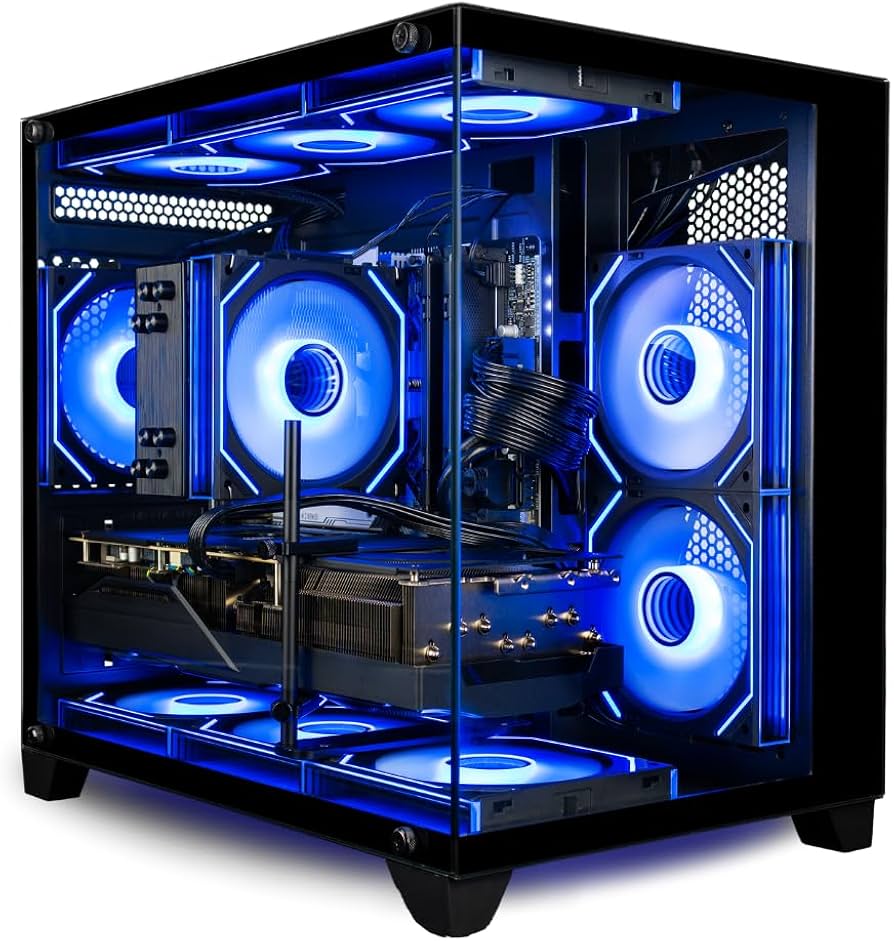


As an Amazon Associate, we may earn from qualifying purchases.
Integrate DevRel kits for growth
A technical boilerplate provides the engine, but DevRel kits supply the fuel. Without a strategy for developer acquisition and community building, even the most robust sovereign rollup infrastructure risks remaining invisible. These kits bridge the gap between deployment and adoption by offering the necessary tools to onboard builders and sustain engagement.
Boilerplate vs. DevRel Kit Comparison
Understanding the distinction between infrastructure and growth tools helps in planning your launch. The table below contrasts the standard features found in a technical boilerplate with the enhanced capabilities provided by a DevRel kit.
| Feature | Technical Boilerplate | DevRel Kit |
|---|---|---|
| Core Infrastructure | Smart contracts, RPC nodes, and bridge logic | N/A |
| Developer Onboarding | Documentation and SDKs | Interactive tutorials and sandbox environments |
| Community Engagement | Basic Discord/Telegram setup | Bounty programs and hackathon tooling |
| Feedback Loops | Bug reporting channels | Structured feedback forms and user analytics |
| Growth Metrics | Network uptime and transaction volume | Developer retention and active contributor rates |
Measuring Growth with Live Data
To validate the effectiveness of your DevRel strategy, you need real-time data. While network metrics track technical health, developer activity indicators reveal community vitality. Integrating live market widgets allows you to correlate external market sentiment with internal community growth, providing a clearer picture of your appchain's traction.
Avoid common deployment mistakes
Building an L3 appchain boilerplate is straightforward; making it production-ready is where most projects fail. The gap between a working testnet and a live mainnet is rarely about code complexity. It is usually about operational rigor. Skipping validation steps or misconfiguring core infrastructure components leads to downtime, security vulnerabilities, and loss of user trust.
Sequencer misconfiguration
The sequencer is the heart of your L3. It orders transactions before they are posted to the L1. If the sequencer is not properly configured for high throughput or fails to handle reorgs correctly, users experience stalled transactions or double-spending risks.
Many teams run sequencers on standard cloud instances without dedicated network tuning. This results in latency spikes that break the user experience. Ensure your sequencer nodes are isolated, have sufficient IOPS, and are monitored for health in real-time. A single misconfigured port or firewall rule can take your entire chain offline.
Poor gas estimation
Gas estimation errors are a silent killer of L3 adoption. If your gas prices are set too low, the chain becomes congested, and transactions fail. If they are too high, users abandon the chain for cheaper alternatives. Unlike L1s, L3s often have different fee market dynamics due to their rollup nature.
You must simulate load testing with realistic user patterns to determine optimal gas limits. Do not rely on static gas prices. Implement dynamic gas pricing that adjusts based on current network congestion. This ensures your appchain remains affordable during peak usage while preventing spam attacks.
Skipping rigorous testnet validation
Testnets are not just for developers. They are your first line of defense against mainnet disasters. Many teams rush to mainnet without subjecting their appchain to stress tests that mimic real-world conditions.
Validate your smart contracts, sequencer behavior, and bridge mechanisms under load. Use official documentation from your rollup provider to ensure compliance with L1 security standards. Only then should you consider your L3 appchain boilerplate ready for production.
Check proof of production readiness
Before launching an L3 appchain boilerplate, verify that it survives real-world conditions. A template that works in isolation often fails under load or adversarial conditions. This checklist ensures your L3 appchain boilerplate is secure, scalable, and ready for user adoption.
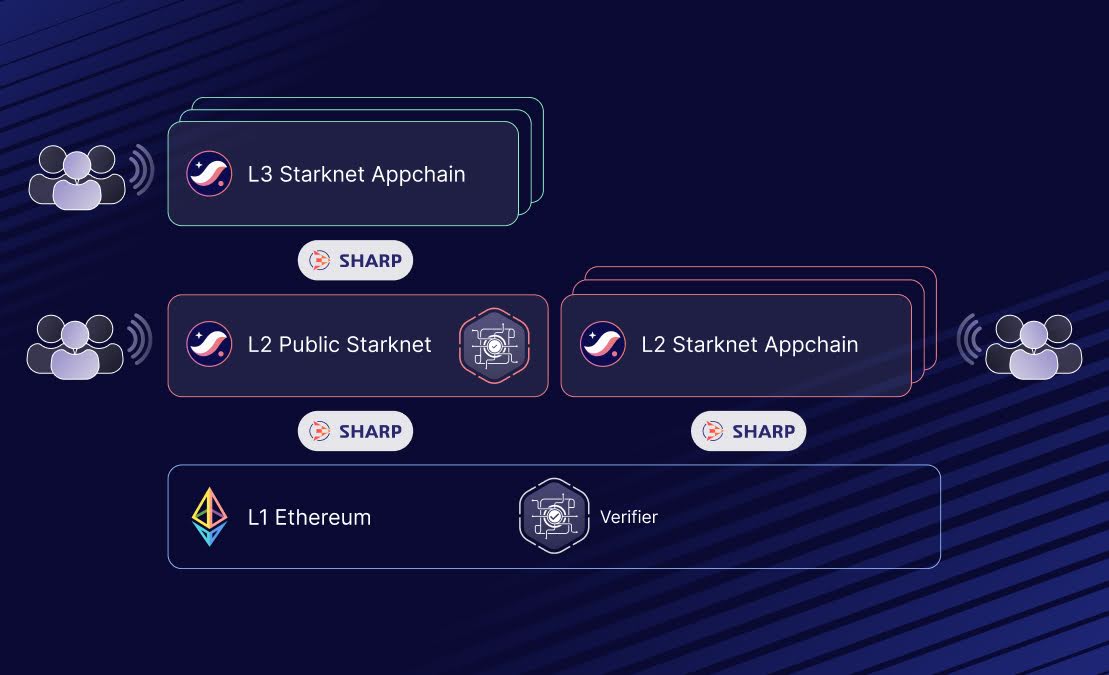
Require independent security audits from reputable firms. For high-stakes financial applications, formal verification of critical smart contracts provides mathematical proof of correctness. Ensure the audit covers both the L3 execution layer and the L2 settlement bridge.
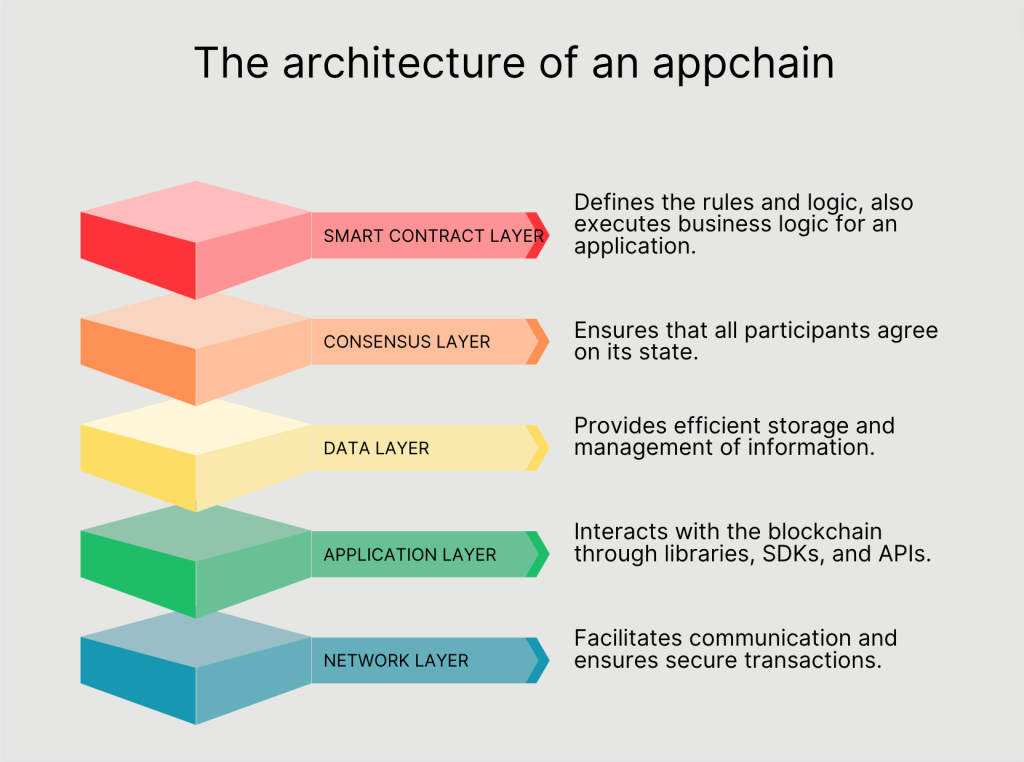
Simulate transaction volumes that exceed expected peak usage. Measure latency, gas costs, and block finality times. Verify that the sequencer can handle congestion without delaying L2 withdrawals. A robust L3 appchain boilerplate must maintain performance during traffic spikes.
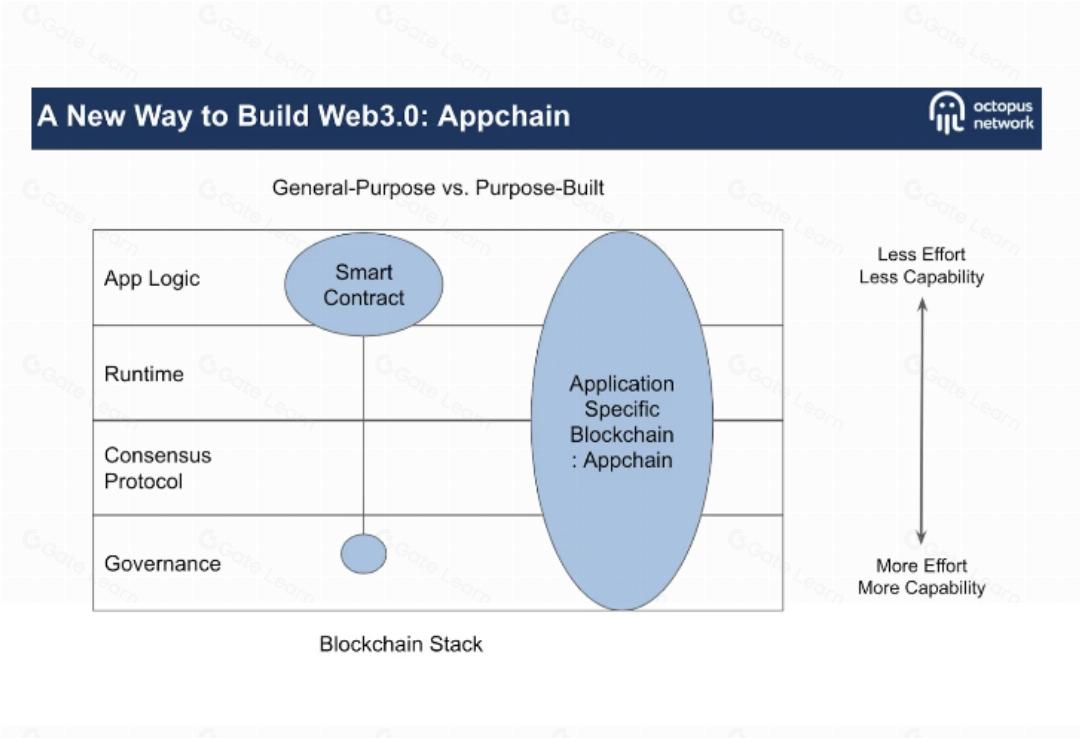
Confirm that transaction data is securely posted to the underlying L2. Check that the data availability layer (e.g., Celestia, EigenDA, or L2 blobs) is functioning correctly. Ensure that the bridge contracts for depositing and withdrawing funds are operational and have sufficient liquidity.
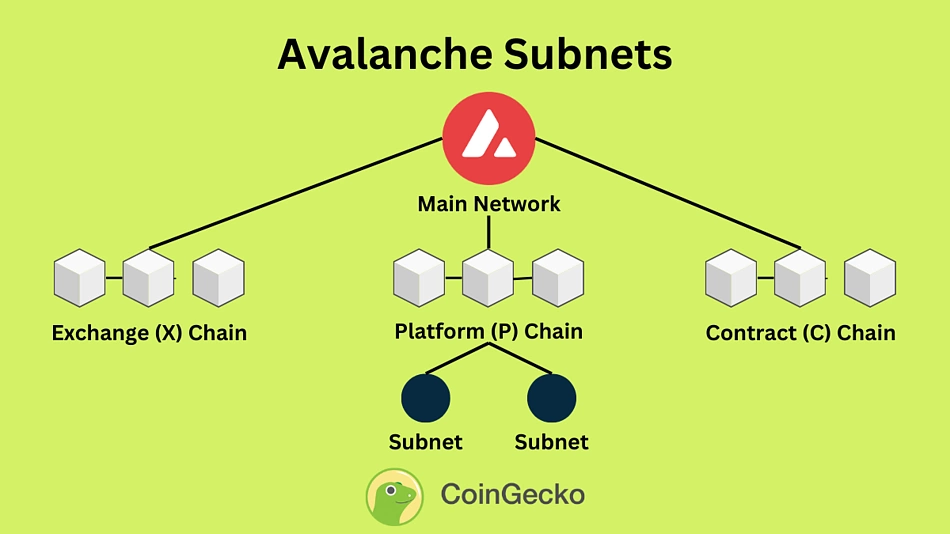
Walk through the entire user journey: wallet connection, token bridging, and first transaction. Identify friction points that could cause user drop-off. The L3 appchain boilerplate should offer a seamless experience indistinguishable from centralized apps, hiding the underlying complexity.
Deploy real-time monitoring for node health, transaction throughput, and error rates. Define clear incident response protocols for common failure modes. Ensure that you can quickly pause or upgrade contracts if a critical vulnerability is discovered.
No comments yet. Be the first to share your thoughts!