
Why L3 appchain boilerplates matter now
Layer 1 blockchains like Bitcoin and Ethereum provide the base security, but they often lack the speed and customization needed for specific applications. Layer 2s improved throughput, yet they still require developers to work within shared constraints. Layer 3 chains solve this by acting as app-specific chains that settle on Layer 2s instead of directly on Ethereum.
This structure allows builders to inherit L2 security while maintaining full control over execution logic, gas models, and consensus mechanisms. For teams building complex decentralized applications, this means they can optimize for performance without sacrificing the security guarantees of the underlying base layer.
Starting with a boilerplate is the most efficient path for rapid deployment. These templates provide the pre-configured infrastructure needed to spin up an L3 appchain quickly, allowing builders to focus on application logic rather than blockchain engineering.
Boilerplates reduce the time-to-market for L3 deployments significantly. By providing pre-built nodes, RPC endpoints, and bridge configurations, they eliminate the need to build foundational infrastructure from scratch. This efficiency is critical for teams looking to launch and iterate quickly in a competitive market.
Top L3 appchain boilerplates to start with
Use this section to make the Best L3 Appchain Boilerplates for Rapid Deployment decision easier to compare in real life, not just on paper. Start with the reader's actual constraint, then separate must-have requirements from details that are merely nice to have. A practical choice should survive normal use, maintenance, timing, and budget. If a recommendation only works in an ideal situation, call that out plainly and give the reader a fallback path.
The simplest way to use this section is to write down the must-have criteria first, then compare each option against those criteria before weighing nice-to-have features.
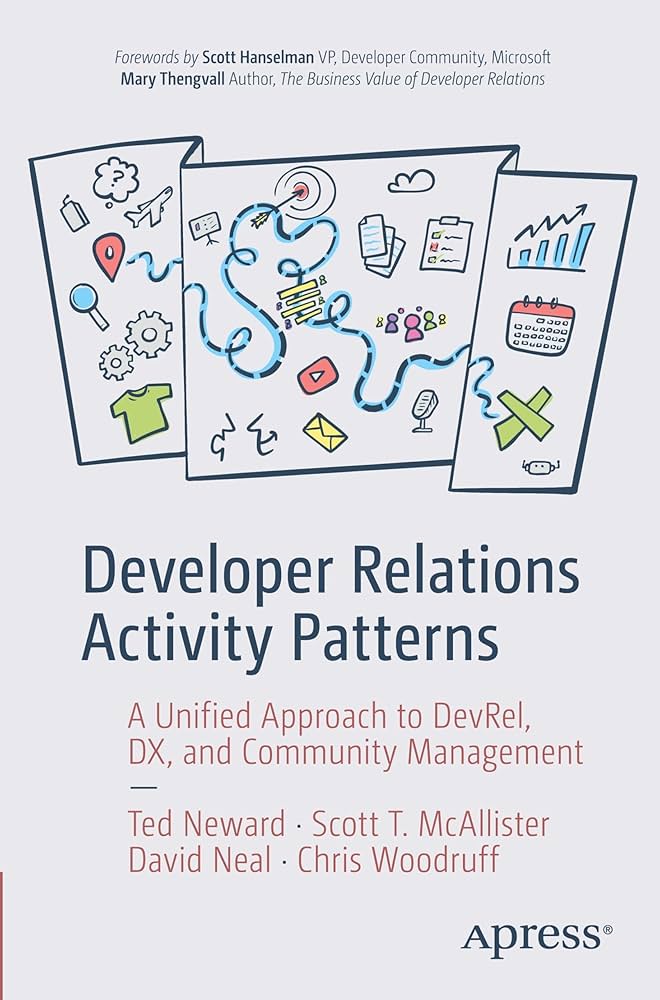
DevRel kits for faster community growth
Technical boilerplates handle the heavy lifting of deployment, but they rarely handle the noise of community building. A DevRel kit fills that gap. It provides the marketing assets, documentation templates, and engagement tools needed to turn a deployed chain into a visible, active ecosystem. Without these resources, even the most robust L3 appchain struggles to attract developers and users.
Essential DevRel Assets
A complete DevRel kit typically includes four core components. Documentation templates standardize how builders interact with your chain, reducing support overhead. Social media kits provide pre-made graphics and copy for launch announcements. Community guidelines establish clear boundaries for interaction. Onboarding flows guide new users from discovery to their first transaction without friction.
-
Documentation template
-
Social media kit
-
Community guidelines
-
Onboarding flow
Concrete Tools for Growth
Several projects offer ready-to-use DevRel resources. Spire provides comprehensive documentation and SDKs that simplify the developer experience. StarkWare’s ecosystem offers extensive guides for building on Starknet. These tools help teams focus on product rather than creating marketing infrastructure from scratch.
For teams looking to accelerate their DevRel efforts, specialized tools can streamline content creation and community management.


As an Amazon Associate, we may earn from qualifying purchases.
Community Evidence
Developers often share their experiences with these tools on Reddit. Threads discussing DevRel challenges provide real-world insights into what works and what doesn’t.
Integrating a DevRel kit with your technical boilerplate creates a complete launch package. It ensures that when your L3 appchain goes live, it has the visibility and support structure needed for sustainable growth.
How to evaluate L3 development tools
Choosing an L3 appchain boilerplate requires looking past marketing claims. You need a framework that balances security, scalability, and ecosystem compatibility. The right tool reduces deployment time without introducing hidden technical debt.
Security foundations
Security is not optional. A boilerplate must integrate proven consensus mechanisms and handle key management securely. Look for tools that support modular security models, allowing you to choose between shared security from the underlying Layer 2 or independent validator sets. Avoid platforms that obscure their verification processes.
Scalability choices that change the plan
Scalability depends on your transaction volume and data availability needs. Some frameworks prioritize speed by batching transactions heavily, which can increase latency during peak times. Others offer higher throughput but require more complex infrastructure. Evaluate how the tool handles state bloat and whether it supports efficient data compression.
Ecosystem compatibility
Your L3 must interoperate with existing wallets, explorers, and bridges. A boilerplate that forces you to build custom tooling from scratch will slow your launch. Prioritize solutions that offer pre-built SDKs for popular frontends and standard bridge interfaces. This ensures your users can interact with your chain using familiar tools.


As an Amazon Associate, we may earn from qualifying purchases.
Frequently asked questions about L3s
What are the 3 layers of the blockchain?
Blockchain architecture is typically divided into three distinct layers. Layer 1 is the base network, such as Bitcoin or Ethereum mainnet, which handles core security and consensus. Layer 2 consists of scaling solutions like rollups that process transactions off the main chain to reduce costs. Layer 3 is the application layer, where specific dApps and custom appchains operate to deliver user-facing functionality.
What is the future of layer 1 blockchain?
Layer 1 blockchains are evolving to prioritize scalability without sacrificing decentralization. Newer protocols are designed to integrate with Ethereum’s ecosystem while jettisoning legacy elements that hinder performance. This shift allows Layer 1s to serve as robust settlement layers for the growing number of Layer 2 and Layer 3 applications.
Why use an L3 appchain boilerplate?
L3 appchains provide builders with full control over the logic and customization of their decentralized applications. By settling on Layer 2 networks, these appchains achieve lower costs and higher throughput. Using a boilerplate accelerates this process, allowing teams to deploy customized, high-performance environments rapidly rather than building from scratch.
No comments yet. Be the first to share your thoughts!