

L3 Appchain Boilerplate Setup Under 5 Minutes for Sovereign Rollups

Imagine spinning up a fully functional L3 appchain boilerplate for sovereign rollups right on your localhost in under five minutes. No more wrestling with complex configs or waiting days for infra to stabilize. As someone who’s traded crypto swings for years and now dives deep into appchain launches, I’ve seen how these quick deploy templates change the game for devs chasing momentum in blockchain innovation.

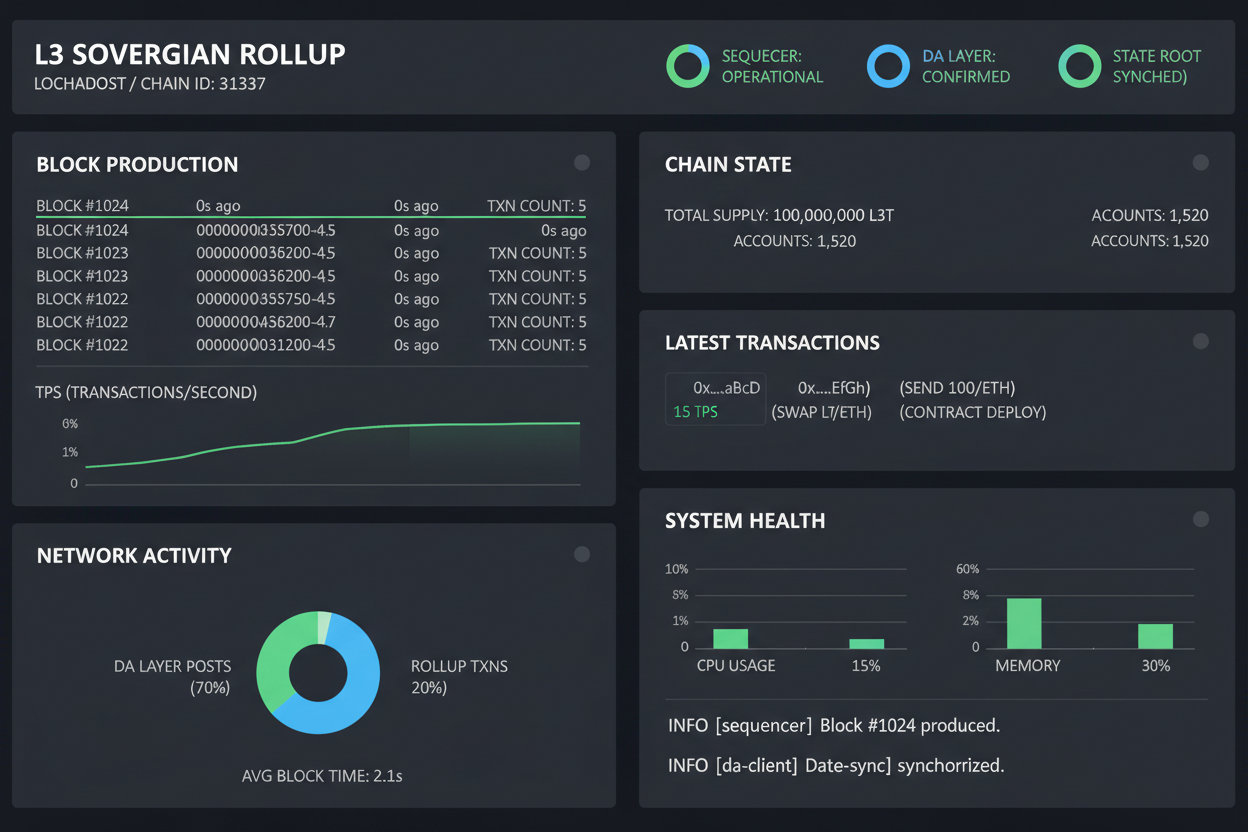
Back in the day, setting up sovereign rollups meant piecing together custom execution layers, settlement debates, and endless node tweaks. Today, frameworks like Rollkit flip that script. They let you define your own execution environment without begging Ethereum for settlement approval. Pair that with streamlined boilerplates, and you’re live faster than a momentum spike on a volume profile breakout.
Why Sovereign Rollups Dominate L3 Appchain Builds
Sovereign rollups give your L3 appchain true independence. Forget shared sequencing or forced data availability; you control the stack. This setup shines for app-specific chains where customization drives user retention and token velocity. From my trading lens, it’s like catching a swing early – define your rules, optimize gas for your use case, and scale without middlemen dragging fees.
Recent tools make this accessible. Rollkit’s framework pioneered sovereign rollup deployment, slashing setup time. Zeeve handles managed infra for L1 to L3 chains, while Arbitrum Orbit offers Ethereum-aligned L3s with Orbit stack guides. ETHGlobal demos prove it: four commands, five minutes, local testnet ready. That’s the quick deploy L3 template reality in 2026.
Picking Your Blockchain Rollup Boilerplate for Speed
Not all boilerplates are equal for sovereign rollups setup. Look for ones with pre-baked Rollkit integration or Orbit compatibility. L3Boilerplate. com kits stand out – they’re premium, customizable, with docs and DevRel resources baked in. They support appchain boilerplate localhost spins, perfect for iterating before mainnet pumps.
Key checklist: Does it support modular DA layers? Cosmos SDK or OP Stack under the hood? Easy chain customization via env vars? Prioritize those with volume-profile-like precision – low-latency proofs and sequencer options that match your app’s swing patterns. Avoid bloated ones; stick to lean appchain boilerplate localhost starters that deploy via Docker or Nix.
Pro tip from my consulting gigs: Test tokenomics early. These boilerplates often include governance and vesting modules, letting you simulate launch dynamics without real capital risk.
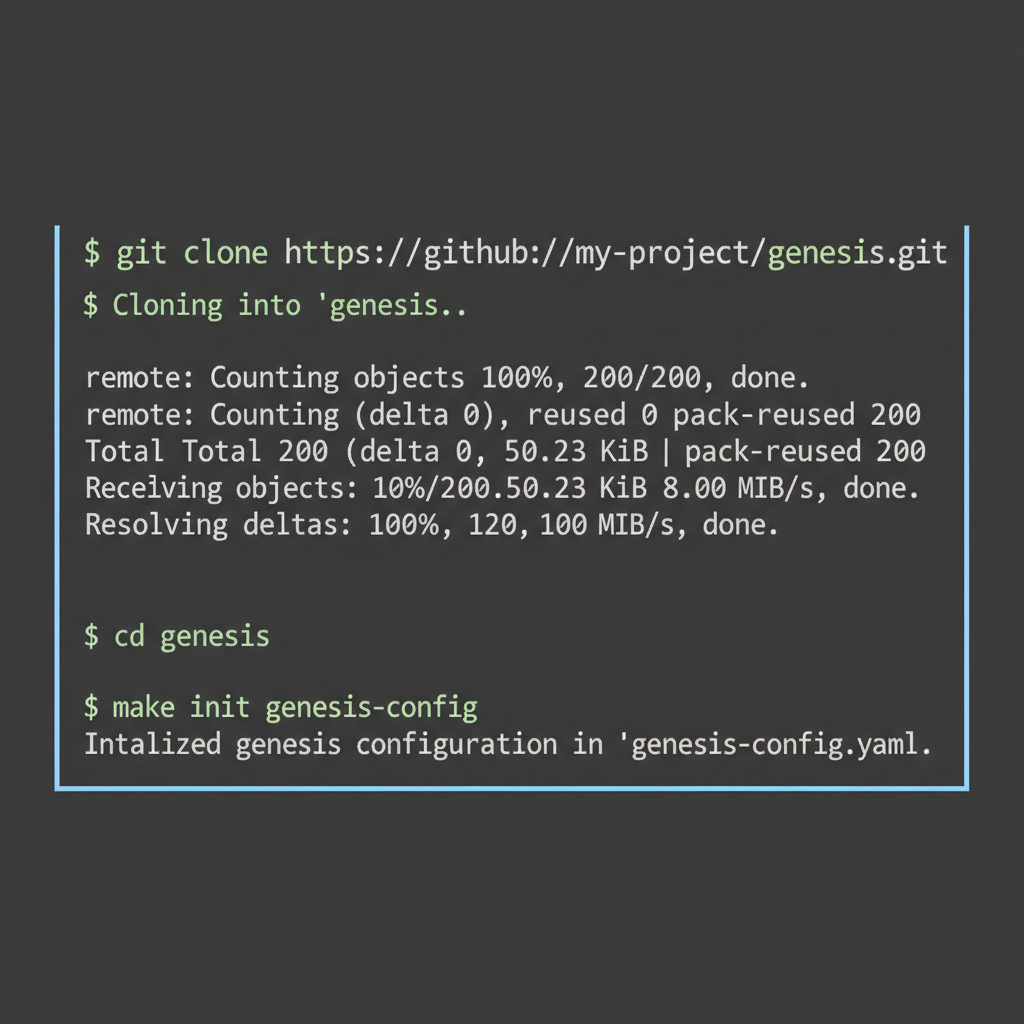
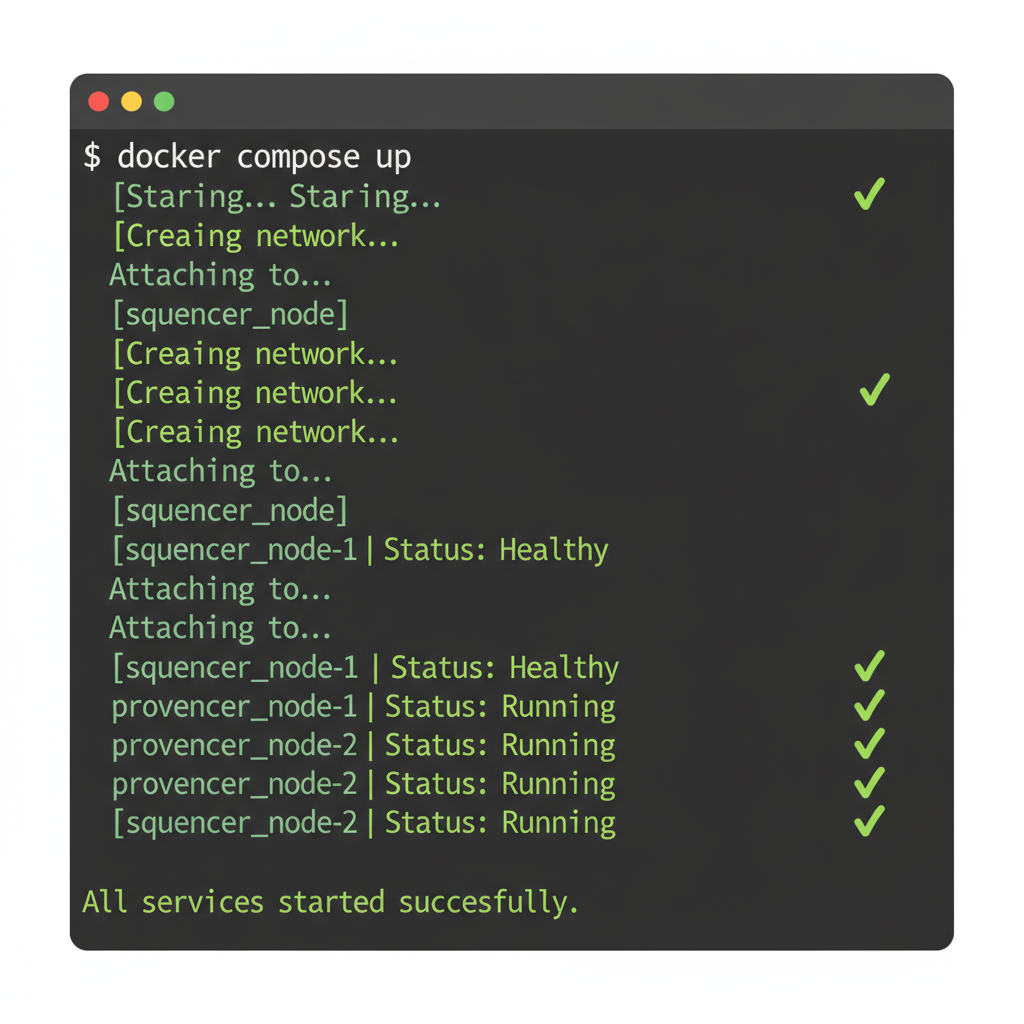
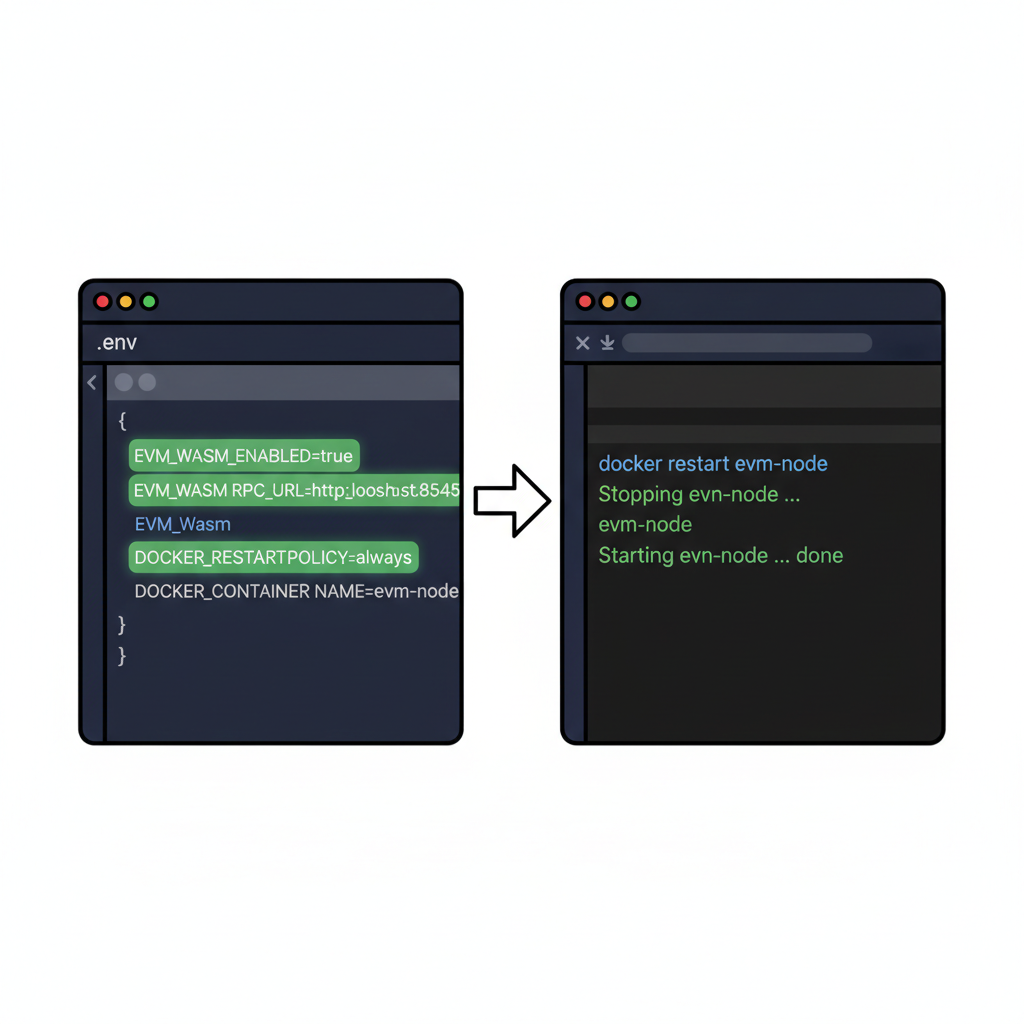
Grab a solid blockchain rollup boilerplate 2026 edition. Clone the repo – Rollkit or Orbit-inspired ones work best. Fire up your terminal; ensure Docker and Go are installed. That’s your base. First command initializes the chain spec. Tweak genesis. json for your app’s native token and validators. Second spins the sequencer node. Third launches provers for rollup security. Fourth? Expose RPC and explorer ports. Boom – query your chain at localhost: 8545. Customize on the fly: Swap EVM for Wasm via flags, adjust block times for faster confirms. I’ve launched test appchains this way before token IDOs, catching setup swings before they dump on bugs. Now, let’s drill down into those four commands that get your L3 appchain boilerplate humming on localhost. This isn’t theory; it’s battle-tested from my appchain consulting runs. You hit enter, watch Docker containers spin, and suddenly you’ve got a sovereign rollup posting blocks independently. Once deployed, poke your chain immediately. Curl the RPC endpoint for block height; it should tick up every few seconds. Deploy a sample ERC20 via Hardhat – gas fees stay low since you’re sovereign, no Ethereum calldata bloat. From a trader’s view, this mirrors spotting volume accumulation pre-pump: monitor your local explorer for transaction flow, tweak sequencer queues to handle spike loads. Localhost wins quick iterations, but push to testnet next. Most quick deploy L3 template boilerplates bundle scripts for Celestia DA or EigenDA integration. Run ‘make testnet-deploy’; it provisions nodes on Zeeve-like infra or your VPS. Simulate user surges with Artillery load tests – aim for 1,000 TPS without sequencer stalls. Security first: Audit your rollup proofs. Rollkit’s IBC light clients ensure data availability without trusting centralized posts. I’ve caught misconfigs here that would’ve tanked token velocity on mainnet. Use the boilerplate’s built-in fuzzer to hammer edge cases, like validator slashing under high volume. Token launch prep? Bake in vesting cliffs and emission schedules via the genesis file. Query balances post-deploy; watch simulated staking rewards accrue. This setup lets you model swing trades on your chain’s governance token before IDO hype builds. Scaling to mainnet feels seamless with these kits. Export your local config, inject real keys, and deploy via Kubernetes manifests included in premium boilerplates. L3Boilerplate. com shines here – their DevRel kits pack SEO docs frameworks, marketing templates, and even volume profile dashboards for monitoring chain activity post-launch. Customize deeply: Modular sequencers let you plug in your own orderflow auctions, juicing MEV for token buybacks. For app-specific chains, swap execution to Move or Ink for DeFi edges. Block times down to 250ms? Possible with OP Stack variants in the boilerplate. In my swings, timing is everything. These appchain boilerplate localhost starters cut dev cycles from weeks to hours, letting teams catch the L3 momentum wave. Sovereign rollups mean no more shared sequencer drama; your chain, your rules, your bag. Devs building in 2026, grab a blockchain rollup boilerplate 2026, deploy local, iterate fast, launch sovereign. Your appchain will ride the independence trend, securing real user value without layer compromises. Catch that swing early. Launch Your L3 Appchain Boilerplate in 5 Minutes Flat
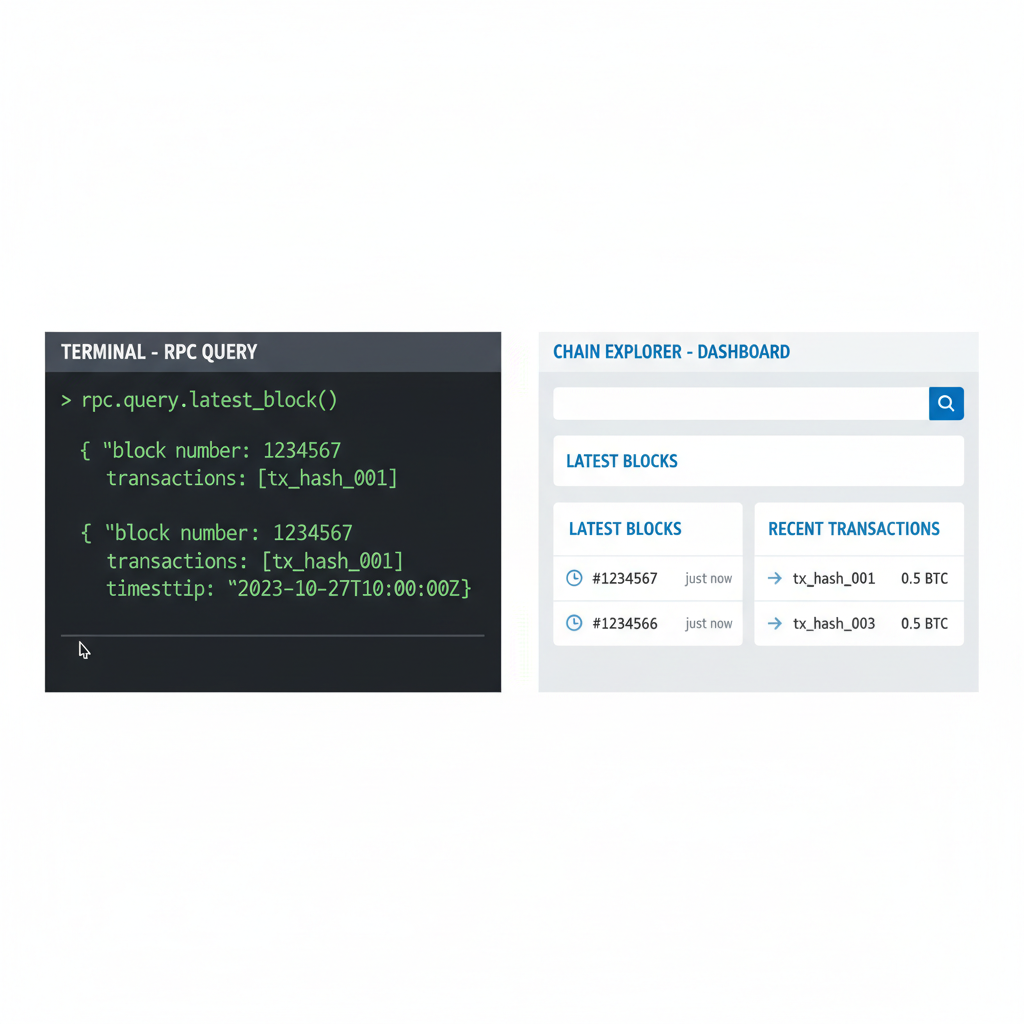
Testing Momentum: Validate Your Sovereign Rollup Before Scaling
From Localhost to Launch: Mainnet Appchain Boilerplate Mastery
Feature
Traditional L2
Sovereign L3 (Boilerplate)
Setup Time
Days
and lt;5 mins
Settlement
Ethereum
Self-sovereign
Customization
Limited
Full stack
Cost
High calldata
Optimized