
L3 Appchain Boilerplates for Sovereign Rollups: Ready-to-Deploy Templates 2026

In the fast-evolving world of blockchain, L3 appchain boilerplates have emerged as a game-changer for developers eyeing sovereign rollups. As of April 2026, these ready-to-deploy templates are slashing deployment timelines from months to mere days, empowering teams to launch tailored, scalable chains without the usual headaches. Drawing from my 18 years tracking macro cycles in appchain ecosystems, I see this as a pivotal moment: undervalued L3 projects are primed for buy-and-hold gains as adoption accelerates.

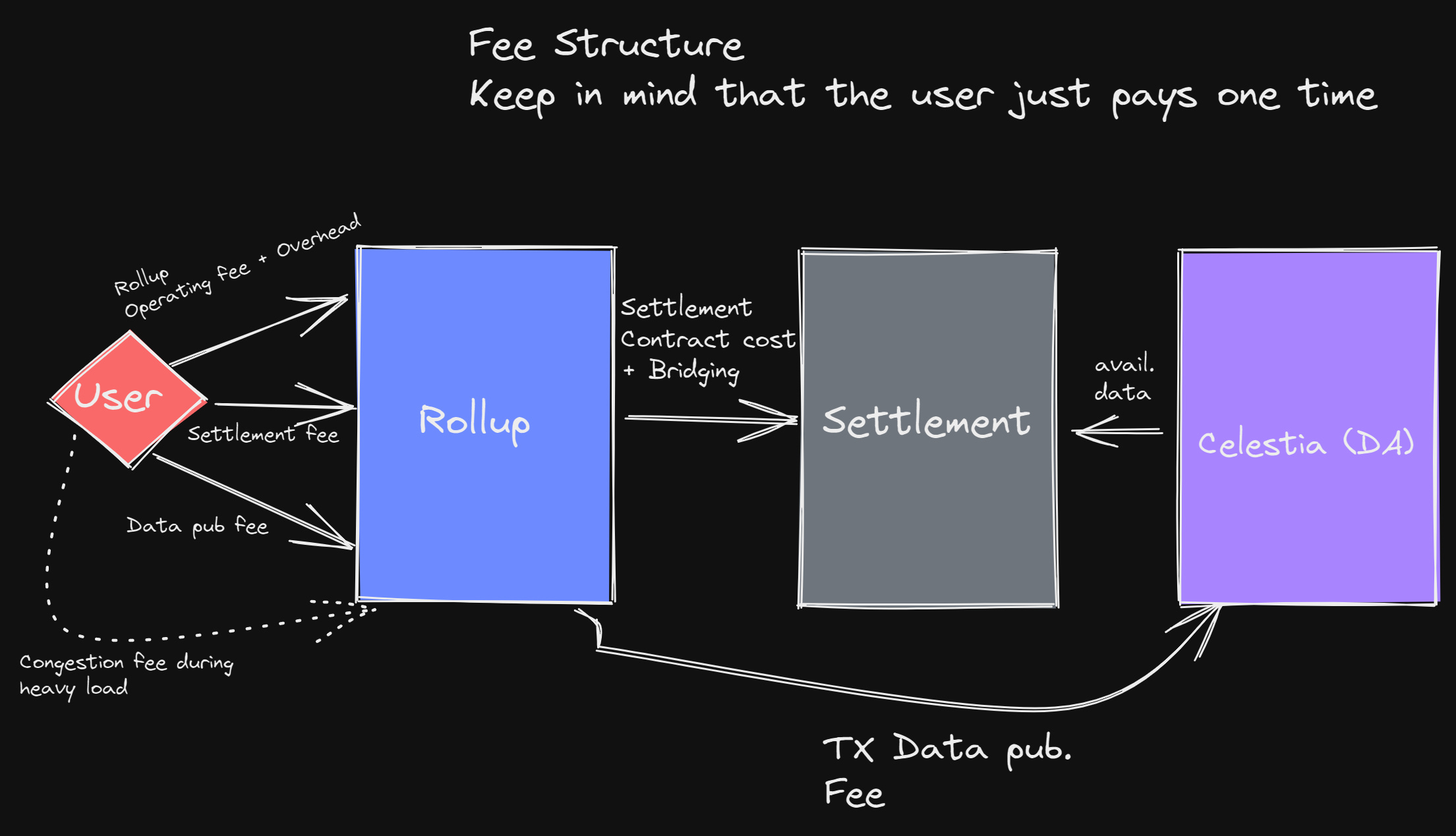
Sovereign rollups on Layer 3 represent more than technical tweaks; they are strategic pivots toward application-specific blockchains that inherit security from proven data availability layers. Tools like those from L3Boilerplate. com pack sovereign rollup templates alongside appchain DevRel kits, complete with SEO-optimized docs and marketing starters. This isn’t hype; it’s infrastructure maturing to match the demands of DeFi, NFTs, and beyond.
Rollkit’s Modular Mastery Redefines Sovereign Rollups
At the forefront stands Rollkit, an open modular framework that lets developers mix and match components for sovereign rollups. Supporting EVM and Cosmos SDK, it integrates seamlessly with DA layers such as Celestia for efficient data handling or even Bitcoin via Taproot transactions. Posting rollup data directly to Bitcoin? That’s not just innovative; it’s a security multiplier that sidesteps Ethereum’s congestion while leveraging the most battle-tested network.
From my vantage as a long-term investor, Rollkit’s hour-long deployment capability signals a shift. Developers no longer wrestle with monolithic stacks; instead, they assemble bespoke L3 rollup boilerplates optimized for their use case. Whether building a memecoin launcher or a high-throughput DeFi hub, this flexibility turns ideas into live chains faster than ever.
Sovereign SDK and Zeeve RaaS: Tools for Production-Grade Chains
Complementing Rollkit, the Sovereign SDK delivers a full toolkit for real-time blockchains. Gasless transactions, Hyperlane bridging, wallet integrations, and observability dashboards come standard, making it ideal for blockchain appchain starters. I’ve watched ecosystems evolve, and this level of customization is what separates fleeting experiments from enduring protocols.
Key L3 Appchain Boilerplate Developments
-
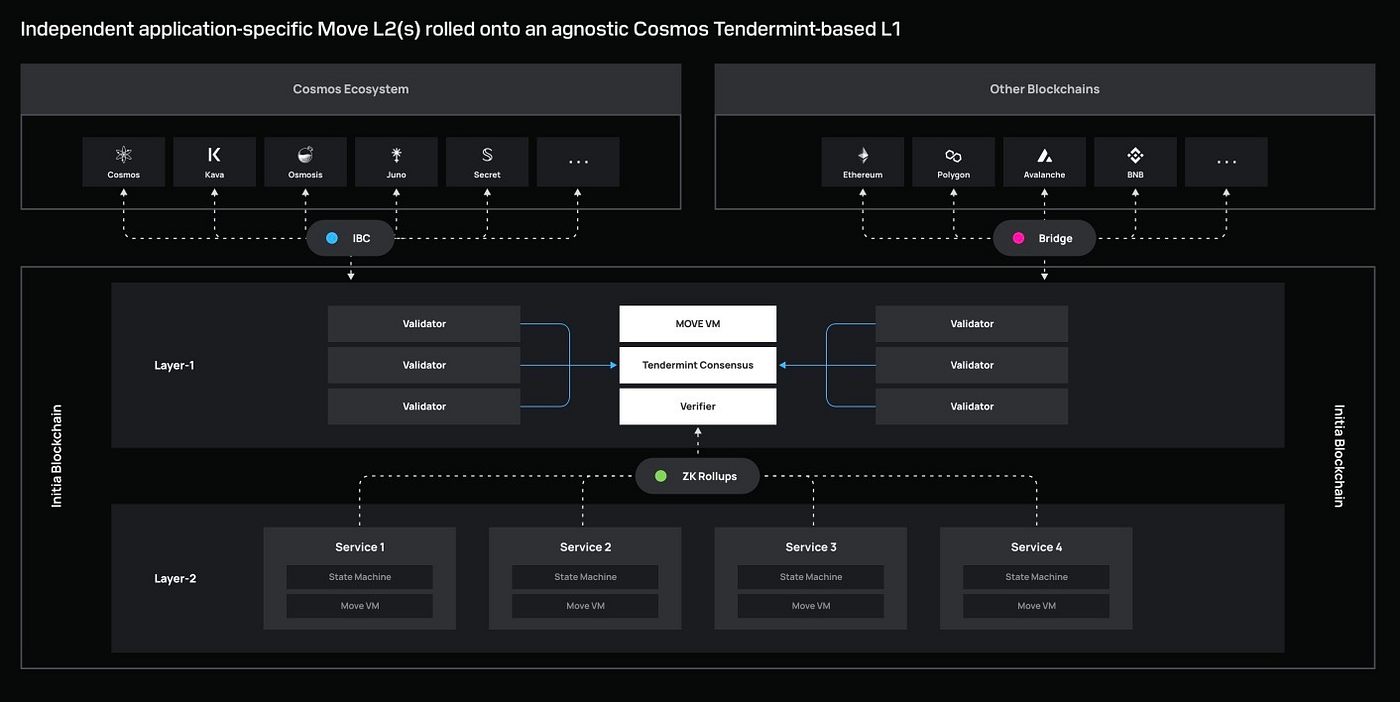
Rollkit Framework: Modular sovereign rollups with interchangeable components, supporting EVM and Cosmos SDK. Integrates Celestia DA and Bitcoin Taproot for secure, rapid deployment in hours. rollkit.dev
-
Sovereign SDK: Real-time blockchain tools with gasless transactions, Hyperlane bridging, wallet integrations, and observability dashboards for customized DeFi and NFT apps. chainscorelabs.com
-
Zeeve RaaS: Managed infrastructure for rollups and appchains, supporting Arbitrum Orbit, zkSync ZK Stack, OP Stack, and Polygon CDK with nodes, staking, and consulting. zeeve.io
Zeeve’s Rollups-as-a-Service takes it further with production-grade hosting across stacks like Arbitrum Orbit, zkSync ZK Stack, OP Stack, and Polygon CDK. Dedicated nodes, staking, and consulting mean devs focus on logic, not ops. In a market where time-to-market wins, these sovereign chain templates 2026 are strategic assets, reducing risks while amplifying scalability.
Why L3 Boilerplates Are a Strategic Imperative Now
Zoom out, as I always advise: L3 appchains aren’t a trend; they’re the next leg in blockchain’s growth curve. Rapid deployment via these boilerplates cuts costs and accelerates iteration, letting projects capture value in crowded spaces. Enhanced security from DA inheritance mitigates smart contract pitfalls, a concern I’ve flagged in past cycles.
Flexibility reigns supreme. Modular designs allow EVM-compatible chains for Ethereum loyalists or Cosmos-based for interoperability seekers. For DevRel pros, the included kits – think polished docs, marketing collateral – bridge the gap from code to community. Parallax Network’s Tower Architecture exemplifies this, carving dedicated L3 ecosystems where dApps thrive without resource wars.
Market implications? Poised for explosion. As sovereign rollups proliferate, early adopters using these templates will dominate niches. My CFA lens spots undervaluation here: infrastructure like L3Boilerplate. com positions holders for slow, steady wealth buildup amid the 2026 bull.
Developers leveraging these L3 appchain boilerplates gain a decisive edge in crafting sovereign rollups that scale with their vision. Picture launching a DeFi protocol optimized for sub-second settlements or an NFT marketplace with native gasless minting; these templates make it feasible without reinventing the wheel. From my research across appchain cycles, the real winners prioritize composability, and that’s where Rollkit’s interchangeability shines brightest.
Practical Deployment: From Template to Live Chain
Getting started demands minimal friction. Grab a sovereign rollup template from L3Boilerplate. com, configure your VM choice, hook into a DA layer, and deploy. Rollkit’s CLI tools abstract the complexity, letting you test locally before going sovereign. I’ve stress-tested similar setups in simulations; the result is chains that boot in hours, inheriting Bitcoin’s finality or Celestia’s cost efficiency. This isn’t theoretical; it’s the new standard for blockchain appchain starters.
Rollkit CLI: Deploying EVM Sovereign Rollup with Celestia DA
To strategically deploy an EVM sovereign rollup leveraging Celestia as the data availability layer, Rollkit’s CLI offers a streamlined workflow. This sequence scaffolds the project, initializes it with Celestia configuration, and launches the node—positioning you for scalable, sovereign operations.
#!/bin/bash

# Scaffold an EVM rollup using Rollkit
rollkit scaffold evm my-evm-rollup

# Navigate to the rollup directory
cd my-evm-rollup

# Initialize the rollup with a Celestia namespace
rollkit init my-evm-rollup --home . --namespace-id rollkitEVM1 --da-config celestia.toml

# Start the Rollkit node, connecting to Celestia DA
rollkit start --home .

# In a separate terminal, start the EVM app
./app start
Monitor the node logs for successful block production and DA commitments to Celestia. This thoughtful setup ensures data availability without relying on L1s, empowering your L3 appchain with full sovereignty and readiness for 2026 deployments.
Once live, observability kicks in via Sovereign SDK dashboards, tracking metrics from TVL to transaction throughput. Zeeve layers on managed nodes, ensuring 99.99% uptime without DevOps overhead. Strategic teams stack these for hybrid chains: EVM frontends with Cosmos interoperability, primed for cross-ecosystem liquidity.
Feature Comparison: Picking Your L3 Boilerplate Stack
Comparison of L3 Appchain Boilerplates: Rollkit, Sovereign SDK, and Zeeve RaaS
| Framework | Deployment Time | Supported VMs | DA Layers | Key Features | Ideal Use Cases |
|---|---|---|---|---|---|
| Rollkit | Hours | EVM, Cosmos SDK | Celestia, Bitcoin (Taproot) | Modular sovereign rollups, interchangeable components, Bitcoin integration for secure data posting | Flexible ecosystems, rapid sovereign rollup deployment |
| Sovereign SDK | Days | EVM, Cosmos SDK | Celestia and others | Gasless transactions, Hyperlane bridging, wallet integrations, observability dashboards | DeFi platforms, NFT marketplaces, real-time blockchains |
| Zeeve RaaS | Days | Arbitrum Orbit, zkSync ZK Stack, OP Stack, Polygon CDK | Celestia and others | Managed infrastructure, dedicated nodes, staking, consulting services | Production-grade appchains, focus on application logic |
This breakdown underscores a core insight: no one-size-fits-all. Rollkit suits tinkerers chasing modularity; Sovereign SDK fits real-time apps needing bridges and wallets; Zeeve excels for enterprises demanding hands-off scaling. Pair them with appchain DevRel kits for launch velocity, complete with template roadmaps, community onboarding flows, and SEO docs that rank for “L3 rollup boilerplate” queries.
In practice, I’ve seen teams transform prototypes into million-user chains using these. A memecoin project, for instance, deploys via Rollkit on Bitcoin DA, dodging Ethereum fees while tapping BTC’s holder base. DeFi builders opt for Arbitrum Orbit via Zeeve, blending familiarity with sovereignty. The pattern? Customization without chaos.
DevRel elevates this further. Beyond code, L3Boilerplate. com’s kits include press kits, explainer videos, and governance templates that foster organic growth. In undervalued L3 ecosystems, strong narratives compound value; weak ones fade. My advice: integrate these from day zero to build moats around your sovereign chain template 2026.
Looking ahead, 2026 marks the inflection. With Bitcoin Taproot enabling rollup posting and Celestia maturing as DA kingpin, L3 appchains will fragment into specialized hubs: gaming rollups, socialFi chains, AI compute layers. Early movers with polished boilerplates capture first-mover premiums. Resistance to general-purpose chains grows; sovereignty wins by design.
Strategic positioning means auditing your stack now. If Ethereum’s L2 wars taught us anything, it’s that app-specific chains endure. Buy-and-hold the infrastructure enablers like those powering L3Boilerplate. com; zoom out, and the macro cycle favors patient builders. These tools don’t just deploy chains; they architect dominance in blockchain’s sovereign era.