
L3 Appchain Boilerplate Templates for Sovereign Rollup Deployment

In the quiet evolution of blockchain infrastructure, where patience often distinguishes the enduring projects from fleeting experiments, L3 appchain boilerplates emerge as a disciplined foundation for sovereign rollup deployment. As of April 2026, developers face a landscape refined by tools that prioritize scalability and sovereignty, allowing teams to sidestep the pitfalls of bespoke engineering. These L3 appchain boilerplate templates, drawn from repositories like those at l3boilerplate. com, encapsulate years of iterative refinement, offering ready-to-deploy scaffolds for app-specific chains.

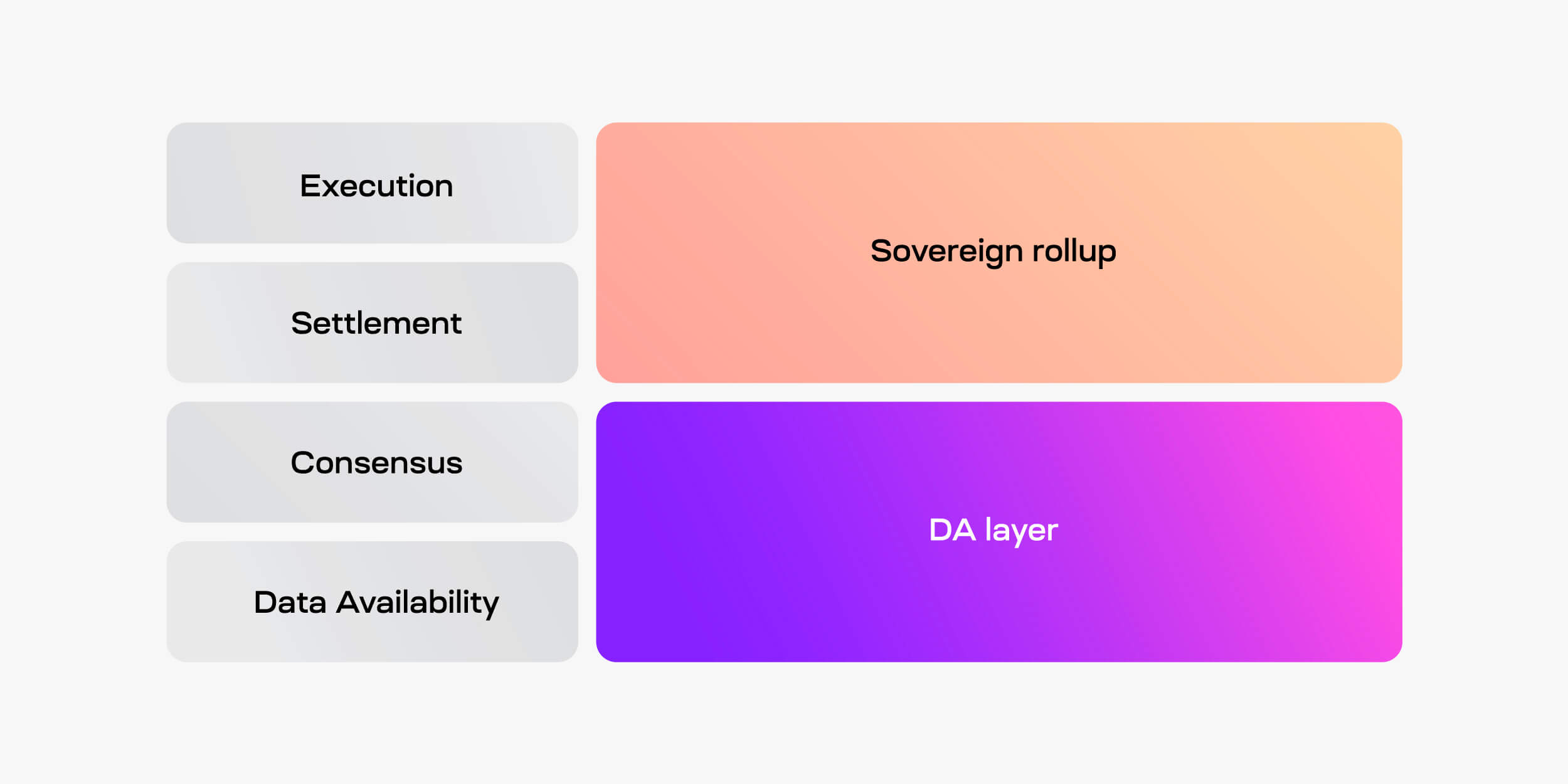
The appeal lies in their restraint. Unlike the hype-driven rushes of prior cycles, these sovereign rollup templates embody a conservative approach: pre-audited modules for governance, data availability, and tokenomics, integrated seamlessly with stacks like Arbitrum Orbit or Polygon CDK. Zeeve’s managed infrastructure further bolsters this, providing enterprise-grade hosting that lets builders focus on differentiation rather than uptime battles. It’s a narrative of measured progress, where the patient observer reaps rewards in production-ready chains.
Why L3 Boilerplates Reshape Appchain Development
Consider the transformation underway. Sovereign rollups, once a theoretical elegance, now pulse with practicality through L3 boilerplate templates. StratoStack’s on-chain registry, for instance, serves as a composable library of battle-tested components – governance frameworks, gas strategies, and adapters – enabling rapid assembly without reinventing wheels. This shift mirrors the commodities markets I navigated for two decades: low-risk positions built on fundamental strengths, geopolitical risks assessed upfront.
In February 2026, l3boilerplate. com highlighted how these kits pulse with the blockchain world’s rhythm, arming teams beyond code with appchain DevRel kits. Polished documentation starters, SEO frameworks, and community playbooks convert technical wins into ecosystems. Magic’s NFT template exemplifies this, weaving Next. js authentication, minting, and gating into a Sovereign SDK-compatible stack, primed for Zeeve deployment and mass onboarding.
[tweet: Influential tweet from L3Boilerplate. com announcing 2026 sovereign rollup templates and DevRel kits for appchain launches]
Core Features Powering Sovereign Rollup Starter Kits
At their heart, sovereign rollup starter kits distill complexity into deployable elegance. Pre-built landing pages, grant templates, and Discord bots foster community from day one, while SEO-optimized docs ensure discoverability. These aren’t mere code dumps; they’re holistic accelerators, reducing launch timelines from quarters to weeks.
Key L3 Appchain Features
-
Customizable Templates: Ready-to-deploy L3 appchain boilerplates from l3boilerplate.com, including Magic’s NFT template with Next.js, authentication, and minting for sovereign rollups.
-
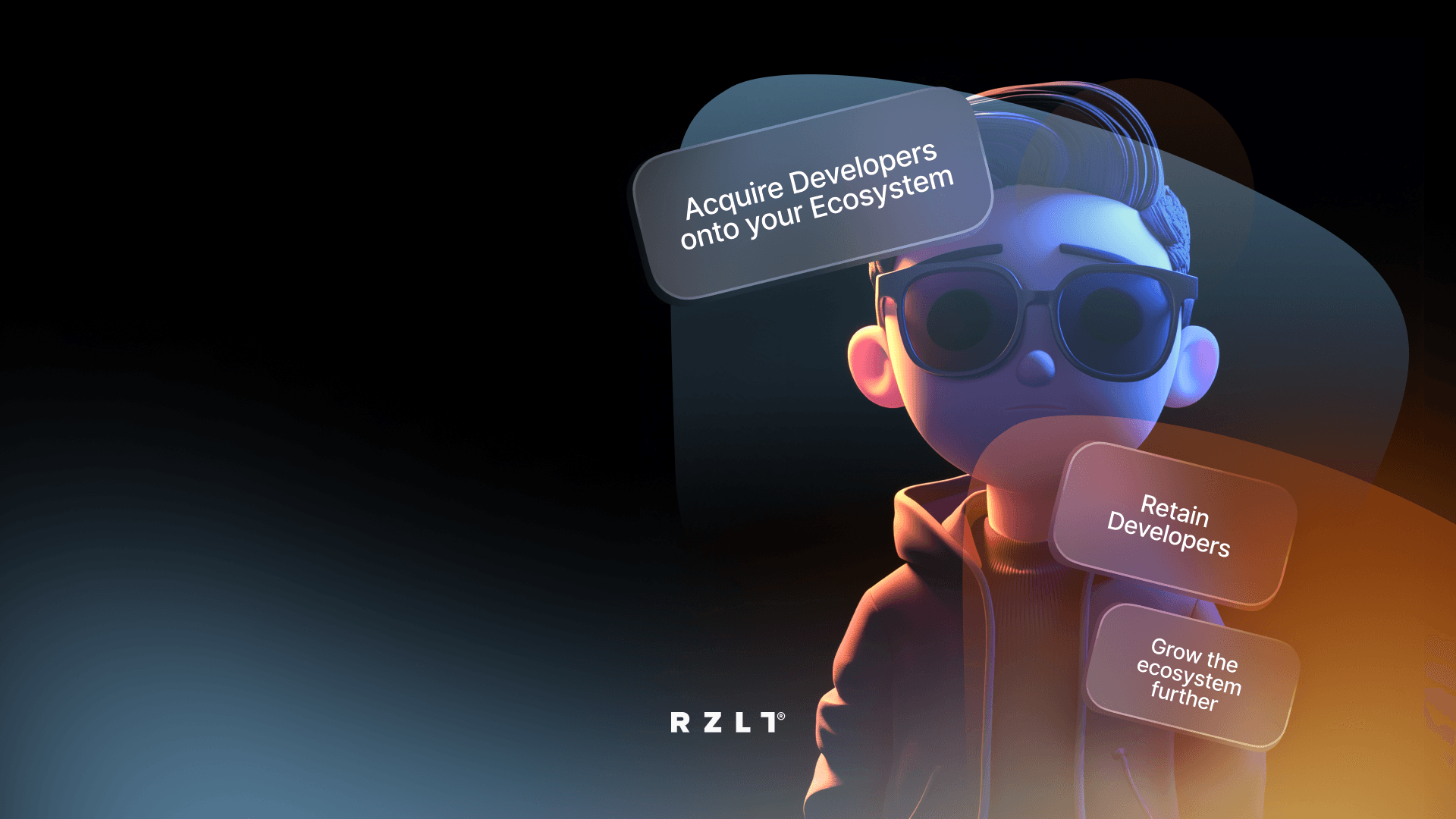
DevRel Marketing Kits: Comprehensive kits with community builders, polished docs, engagement playbooks, pre-built landing pages, grant templates, and Discord bots from l3boilerplate.com.
-
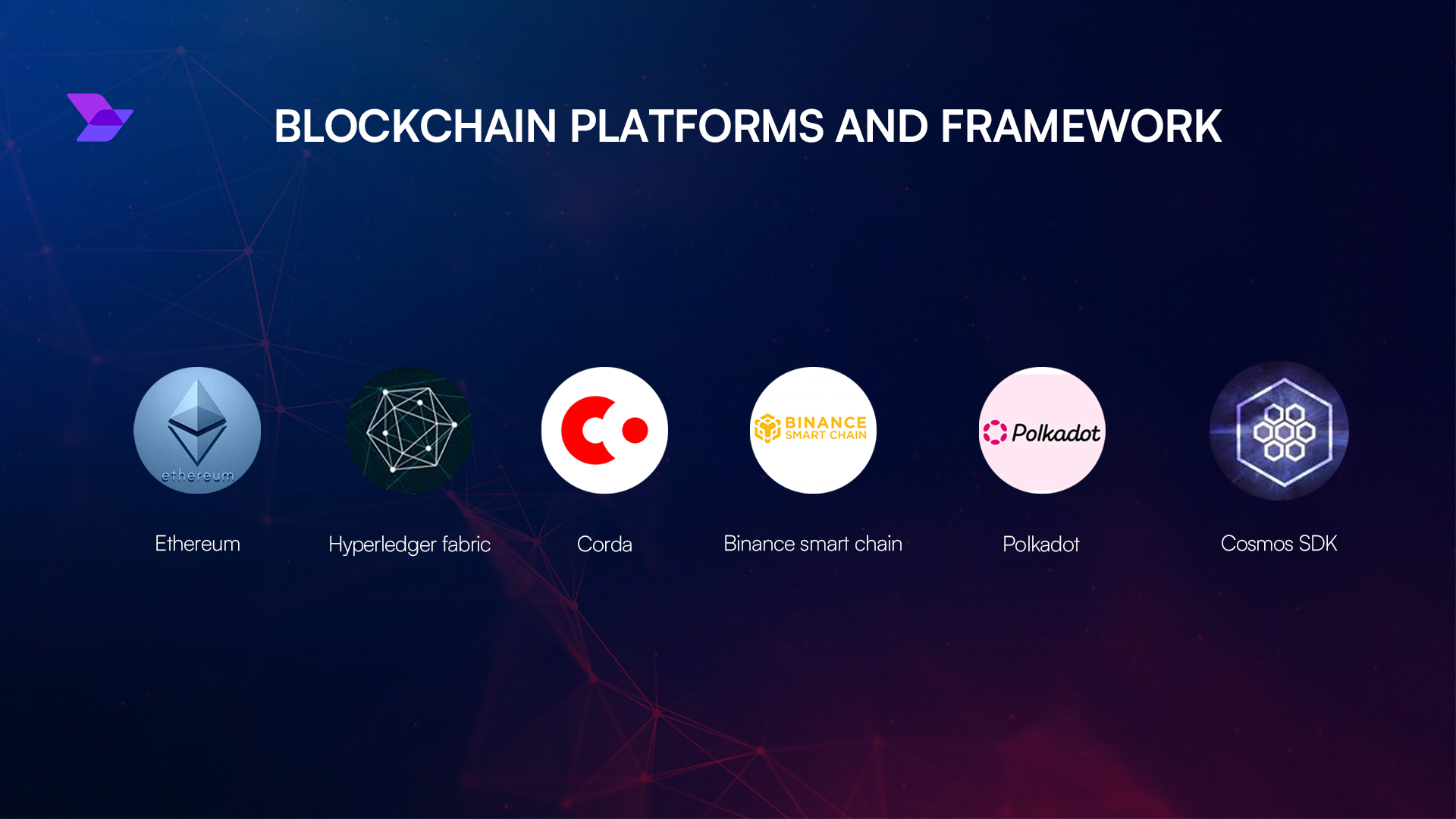
SEO Docs Frameworks: SEO-optimized documentation templates streamlining appchain development and community onboarding flows.
-
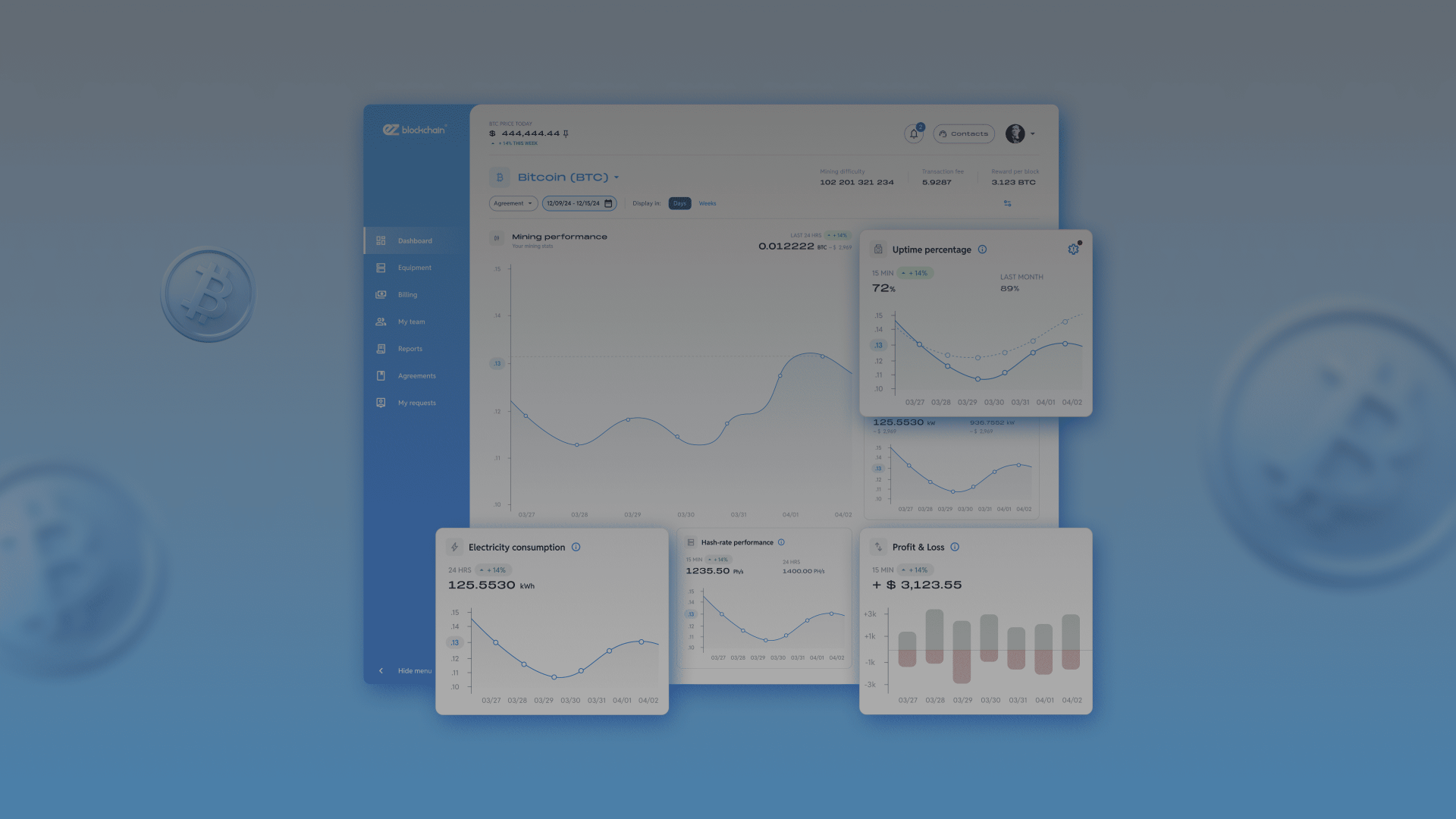
Zeeve Integration: Seamless deployment on Zeeve supporting Arbitrum Orbit, zkSync ZK Stack, OP Stack, and Polygon CDK for managed L3 infrastructure.
-
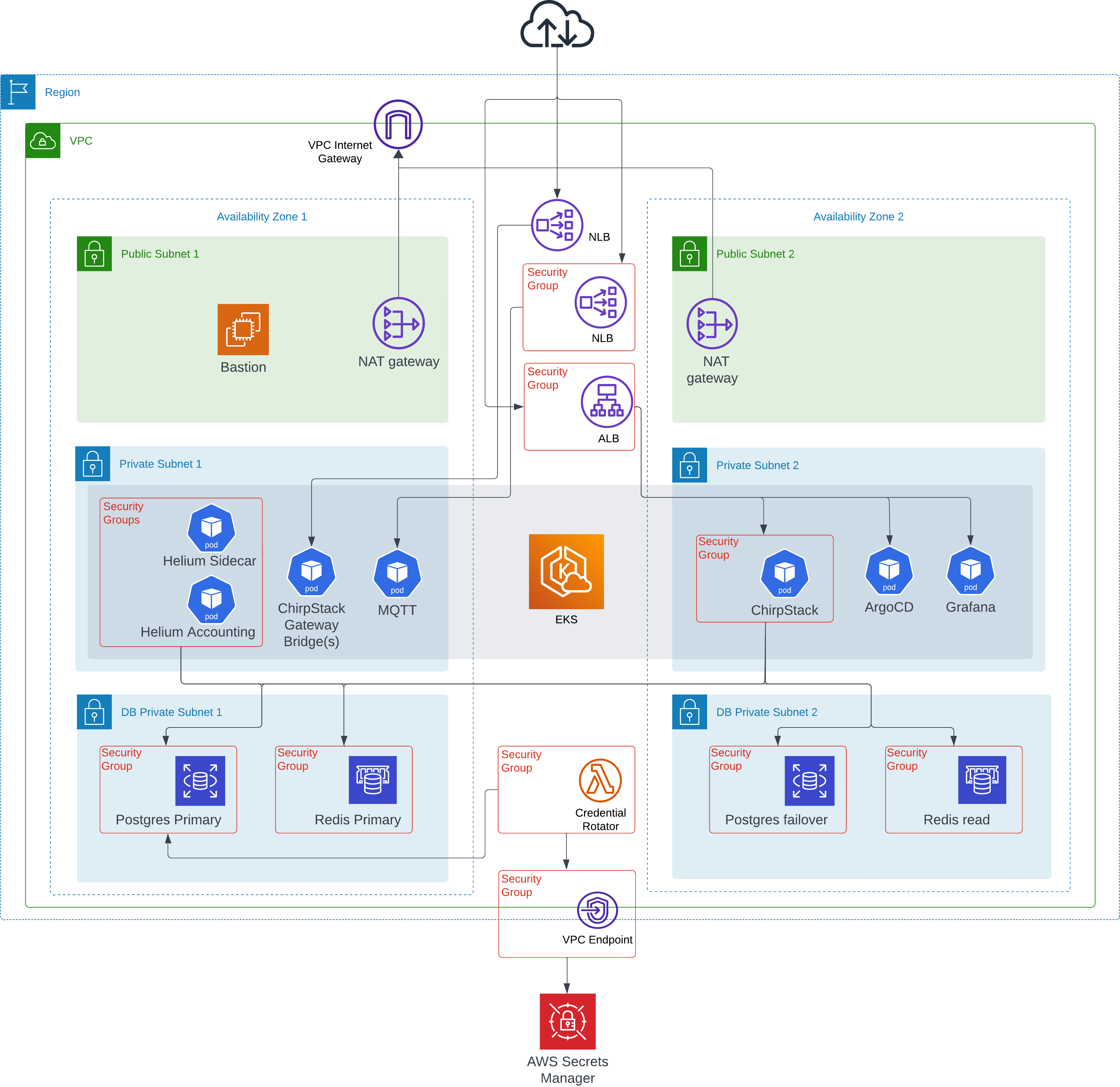
StratoStack Modules: Composable on-chain registry at docs.stratostack.app for governance, gas pricing, token logic, and data availability adapters.
Developers leverage 52 dApp starters from indices like Starterindex, but L3-specific kits elevate this with appchain focus. zkSync ZK Stack or OP Stack integrations mean chains boot with proven security models, sidestepping the vulnerabilities that plagued early rollups. It’s conservative engineering: validate first, innovate second.
Integrating Infrastructure for Scalable Launches
Zeeve stands as a linchpin, supporting L1, L2, and L3 deployments across diverse protocols. Pair it with l3boilerplate. com’s templates, and you gain fully managed rollups tailored for applications – from NFTs to DeFi verticals. StratoStack complements with its registry, where teams import extensions like token logic or DA layers, composing chains as one might hedge a portfolio: diversified, resilient, long-term.
This ecosystem demands thoughtful selection. Not every template fits every vision; assess geopolitical-like risks in protocol choices, community readiness, and upgrade paths. Yet, for those building sovereign futures, these tools offer the patient path to dominance, where infrastructure serves innovation without overshadowing it.
Practical deployment begins with selecting the right sovereign rollup starter kit, one that aligns with your application’s demands without overcomplicating the stack. Teams often start with a base template from l3boilerplate. com, customizing governance modules from StratoStack before pushing to Zeeve for orchestration. This sequence minimizes exposure, much like positioning in energy futures where timing and fundamentals dictate outcomes.
Streamlining Deployment with Proven Playbooks
Appchain DevRel kits shine here, bundling not just code but strategies for growth. Pre-crafted grant applications anticipate foundation scrutiny, while Discord bots automate onboarding, turning lurkers into contributors. SEO-optimized documentation frameworks ensure your project surfaces in searches for L3 appchain boilerplate solutions, drawing talent and users organically. It’s a layered approach: technical solidity first, narrative second.
With these in hand, launches accelerate. A team wielding a full appchain DevRel kit might bootstrap a community of thousands within weeks, leveraging polished playbooks that script AMAs, airdrop mechanics, and feedback loops. Contrast this with solo efforts of yesteryear, mired in documentation debt and fragmented outreach. The boilerplates enforce discipline, channeling energy toward unique value propositions.
Code Foundations: A Snippet for Sovereign Rollups
Examine a foundational code excerpt, illustrative of how L3 boilerplate templates abstract complexity. This snippet deploys a basic sovereign rollup configuration, pulling in StratoStack modules for governance and Zeeve endpoints for management. It underscores the restraint in design: minimal dependencies, maximal configurability.
Basic Node.js Deployment Script for L3 Appchain Boilerplate
In constructing a sovereign rollup deployment for the L3 appchain boilerplate, a Node.js script offers a structured and repeatable method. This example conservatively integrates the Sovereign SDK for core functionality, imports governance mechanisms from StratoStack, and employs Zeeve for orchestration. Environment variables manage configurations securely, allowing thoughtful adaptation across environments.
require('dotenv').config();

const { SovereignSDK } = require('@sovereign-labs/sdk');
const { importGovernance } = require('@stratostack/governance');
const ZeeveOrchestrator = require('@zeeve/orchestrator');

async function deployL3Appchain() {
  try {
    // Load environment variables
    const privateKey = process.env.PRIVATE_KEY;
    const rpcUrl = process.env.RPC_URL;
    const zeeveApiKey = process.env.ZEEVE_API_KEY;
    const chainId = process.env.CHAIN_ID || '31337';

    if (!privateKey || !rpcUrl || !zeeveApiKey) {
      throw new Error('Missing required environment variables');
    }

    // Initialize Sovereign SDK
    const sdk = new SovereignSDK({
      rpcUrl,
      privateKey,
    });

    // Import StratoStack governance
    await importGovernance({
      sdk,
      governanceConfig: {
        module: process.env.GOVERNANCE_MODULE,
        validators: JSON.parse(process.env.VALIDATORS || '[]'),
      },
    });

    // Orchestrate deployment with Zeeve
    const orchestrator = new ZeeveOrchestrator({ apiKey: zeeveApiKey });
    const deploymentConfig = {
      chainId,
      boilerplate: 'l3-appchain',
      sovereignRollup: true,
      nodes: parseInt(process.env.NODE_COUNT || '3'),
    };

    const result = await orchestrator.deploy(deploymentConfig);
    console.log('Deployment successful:', result);

  } catch (error) {
    console.error('Deployment failed:', error.message);
    process.exit(1);
  }
}

// Execute deployment
if (require.main === module) {
  deployL3Appchain();
}
Executing this script with `node deploy.js` initiates the process after setting the necessary `.env` file. This narrative approach prioritizes reliability and caution—always validate on a test network first, review logs meticulously, and ensure dependencies like `dotenv`, `@sovereign-labs/sdk`, `@stratostack/governance`, and `@zeeve/orchestrator` are installed via npm.
Such snippets, battle-tested across simulations, form the bedrock. Customize the gas pricing or DA adapter, test on local forks, then scale. Developers report slashing setup from months to days, freeing bandwidth for iteration. In my trading days, akin to spotting undervalued metals plays before the curve shifts; here, it’s preempting chain bottlenecks.
Yet restraint tempers enthusiasm. Not all integrations mesh seamlessly; zkSync’s ZK proofs demand rigorous prover tuning, while OP Stack favors sequencer optimizations. Evaluate via proofs-of-concept, weighing trade-offs in throughput versus finality. Zeeve mitigates much of this, its dashboard revealing metrics that guide refinements without guesswork.
Building Ecosystems Around Your Chain
Beyond code lies ecosystem cultivation. L3 appchain boilerplates extend to dApp starters – 52 options per Starterindex tallies – but sovereign focus elevates them. Magic’s NFT scaffold, for one, layers authentication atop minting logic, gating access via on-chain proofs. Pair with DevRel kits, and you orchestrate viral loops: users mint, share, govern.
Community playbooks prescribe cadence: weekly updates, modular upgrades, transparent roadmaps. This fosters loyalty, mirroring long-term positions in commodities where steady yields outpace speculative swings. Teams ignoring DevRel falter; those embracing it compound advantages, drawing grants, partnerships, integrations.
StratoStack’s registry future-proofs this, its on-chain templates enabling forkless upgrades. Import a new tokenomics module mid-flight, or swap DA providers sans downtime. It’s composability without chaos, rewarding the observant builder who anticipates shifts in protocol landscapes.
In this maturing arena, sovereign rollup templates stand as quiet enablers. They demand patience in selection and execution, yet deliver chains that endure. Developers, much like analysts charting supply disruptions, thrive by heeding fundamentals: robust infra, engaged communities, adaptive code. The sovereign rollup era unfolds not in frenzy, but in deliberate strides toward scalable sovereignty.