

Why use an L3 appchain boilerplate
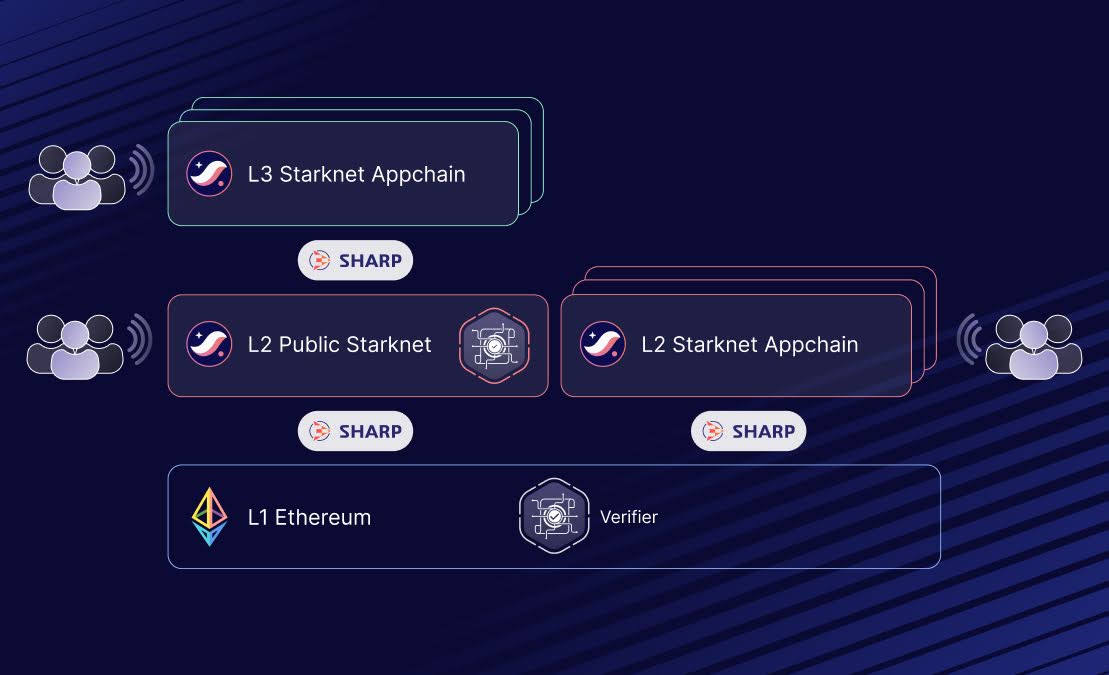
An L3 appchain is a dedicated execution layer that settles on a Layer 2 network rather than directly on Ethereum. This architecture provides isolated blockspace for a single application or ecosystem, eliminating the congestion and gas price spikes common on shared Layer 1 or Layer 2 chains. As noted in documentation from Citrea, this setup ensures predictable execution without competing for resources with unrelated dApps. StarkWare further highlights that L3s grant builders greater customizability, allowing full control over the application logic while inheriting the security guarantees of the underlying Layer 2.
However, building an L3 from scratch involves significant complexity. Developers must configure sequencers, data availability layers, and settlement contracts. An L3 appchain boilerplate removes this initial friction by providing a pre-configured, modular stack. These kits bundle the necessary infrastructure components, allowing teams to focus on application logic rather than chain topology. By leveraging a boilerplate, you can deploy a customized, high-performance chain in hours instead of months, accelerating time-to-market for specialized applications.
Choose the right modular blockchain stack
Your L3 appchain boilerplate is only as good as the settlement layer beneath it. Selecting the right L2 and sequencing layer determines your transaction costs, security model, and developer experience. The goal is to match the stack to your app's specific needs—whether that's maximum throughput, Bitcoin security, or Ethereum compatibility.
Evaluate Starknet, Bitcoin, and Ethereum L2s
Starknet offers high throughput and low costs, making it ideal for compute-heavy applications. Bitcoin appchains provide unmatched security for financial applications but come with higher complexity in sequencing. Ethereum L2s like Arbitrum and Optimism offer the largest developer ecosystems and liquidity access.
| Layer | Cost | Security | Dev Experience |
|---|---|---|---|
| Starknet | Low | High | Moderate |
| Bitcoin Appchain | High | Maximum | Complex |
| Ethereum L2s | Medium | High | Excellent |
Match the stack to your use case
If you're building a high-frequency trading app, Starknet's speed might be worth the trade-off in ecosystem size. For a DeFi protocol that needs Bitcoin's security guarantees, a Bitcoin appchain makes sense despite the higher costs. Most general-purpose apps benefit from Ethereum L2s due to the existing tooling and user base.


As an Amazon Associate, we may earn from qualifying purchases.
Test compatibility with your boilerplate
Before committing, verify that your chosen L3 appchain boilerplate supports your selected settlement layer. Some boilerplates are optimized for Starknet, while others are built for Ethereum L2s. Running a quick test deployment will reveal any compatibility issues early in the development process.
Set up the boilerplate environment
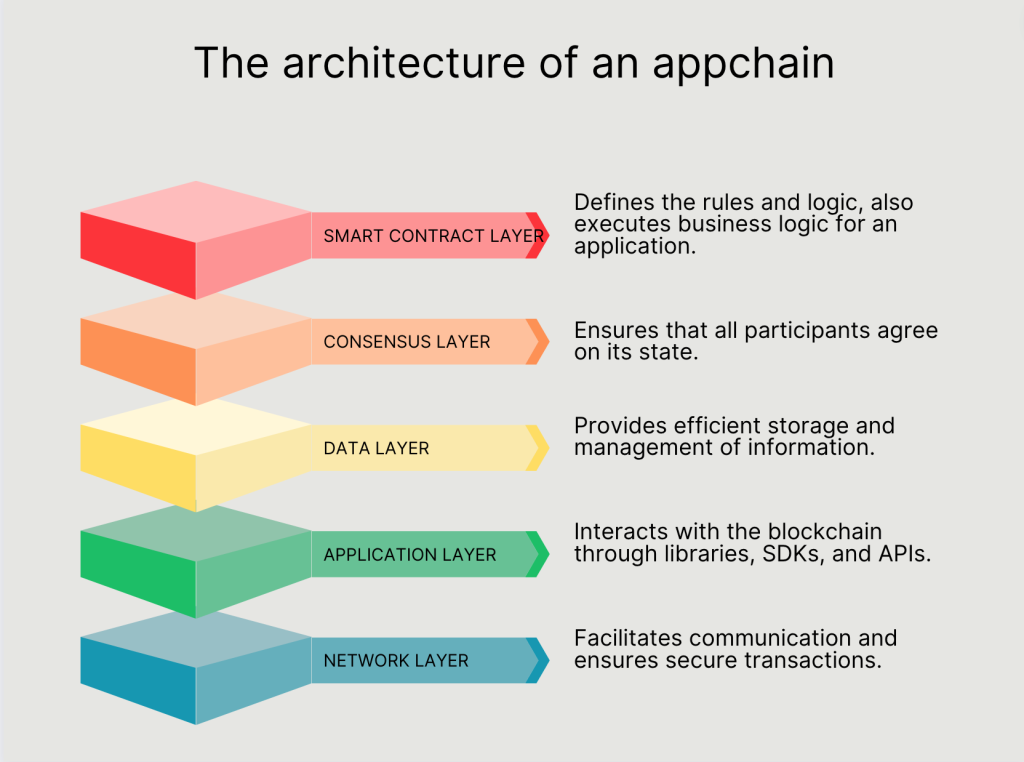
Before writing custom logic, you need a working local node. L3 appchain boilerplates provide the foundational code structure, but they require specific dependencies and configuration to run. This section walks you through cloning the repository, installing the necessary packages, and initializing the chain state.
Start by fetching the boilerplate code from the source repository. Use git clone to download the project to your local directory. This ensures you have the latest base architecture for your L3 chain. Replace REPO_URL with the specific URL provided by your chosen boilerplate provider.
Navigate into the project directory and run your package manager to install all required dependencies. Most modern L3 boilerplates use npm install or yarn. This step downloads the underlying libraries for the execution layer and the client SDKs needed to interact with the node.
Create a .env file from the provided template (e.g., cp .env.example .env). You must update the configuration values to match your local setup. This typically includes setting the port for the RPC endpoint, defining the genesis state parameters, and configuring any external service URLs if your boilerplate supports them.
Run the initialization command to generate the genesis block. This command reads your .env configuration and creates the initial state of the blockchain. Without a valid genesis block, the node will have no starting point for block production. Look for a command like npm run genesis or make init in the project’s README.
Launch the node using the start command (e.g., npm start or docker-compose up). The terminal should display logs indicating that the node is syncing and listening on the configured RPC port. Verify the setup by sending a simple request to the local endpoint, such as curl http://localhost:8545 to check for a JSON-RPC response.
Integrate DevRel kits for community launch
Deploying the chain is only half the work. If developers and users can’t interact with your L3 appchain boilerplates immediately, adoption stalls before it begins. The goal here is to remove friction from day one by wiring up the essential developer relations infrastructure.
Start by configuring a faucet. New wallets need testnet tokens to experiment with your smart contracts without buying mainnet ETH. A reliable faucet is the first handshake between your infrastructure and your community. Next, publish your documentation. This isn’t just a readme file; it should include clear API references, quick-start guides, and examples that show exactly how to connect a frontend to your chain. Make it easy for someone to build their first dApp in under ten minutes.
Simultaneously, link your community channels. Ensure your Discord, Telegram, or forum links are visible in your documentation and on your block explorer. Developers need a place to ask questions when they hit a bug. Finally, verify your block explorer. If users can’t see their transactions, they assume the chain is broken. A transparent, fast explorer builds trust instantly.
-
Faucet configured and tested with a dummy wallet
-
Documentation published with quick-start guides and API refs
-
Community Discord/Telegram links added to docs and explorer
-
Block explorer verified and syncing correctly
Common mistakes in L3 deployment
Even with L3 appchain boilerplates, configuration errors can break your chain before it goes live. These pitfalls usually stem from treating the boilerplate as a static template rather than a dynamic system. Here is how to avoid the most frequent deployment failures.
Misconfiguring the Sequencer
The sequencer is the heart of your L3. It orders transactions before they are batched and sent to the L2. If you do not harden the sequencer’s configuration, you risk centralization or downtime. Ensure you set up proper redundancy and monitoring. Always audit your sequencer configuration before connecting to mainnet settlement layers.
Ignoring Data Availability Costs
L3s often underestimate the cost of posting data to the underlying L2. If your calldata or blob size is too large, your gas fees will spike, making your appchain economically unviable. Use L3 appchain boilerplates that allow you to simulate data sizes against current L2 blob prices. Adjust your block size and transaction packing strategy accordingly.
Skipping Fault Proof Integration
A common mistake is deploying an L3 without a working fault proof system. Without this, users cannot dispute invalid state transitions, undermining the chain’s security. Ensure your boilerplate includes the necessary precompiles and dispute logic. Test the fault proof mechanism in a local fork before attempting any public deployment.
Frequently asked questions about L3 appchains
Is there a layer 3 blockchain?
A layer 3 (L3) blockchain is an app-specific chain that settles its transactions on a layer 2 network rather than directly on Ethereum. By stacking on top of an L2, an L3 inherits the L2's security guarantees while adding a third level of execution that can be tuned entirely to one application's needs.
What is layer 3 transaction?
A Layer 3 blockchain operates on top of L2, using the base chain's security and L2's efficiency. Transactions are often processed off-chain, then grouped through rollups and submitted back to lower layers for final settlement. This architecture allows L3 appchain boilerplates to handle high throughput without clogging the main Ethereum network.
What is DTCC AppChain?
DTCC's Collateral AppChain is a shared infrastructure platform for collateral that leverages the Chainlink Runtime Environment (CRE) and Chainlink data standard. It enables near real-time collateral management across financial markets and blockchains, serving as a production-scale example of how appchains handle complex, specialized workloads. See the DTCC Collateral AppChain case study.
No comments yet. Be the first to share your thoughts!