
Why L3 appchain boilerplates matter now
The blockchain landscape has shifted. Generic Layer 2 networks are no longer enough for projects that need specific rules. Developers are moving toward sovereign Layer 3 appchains—custom networks that settle on Layer 2s but keep full control over their own logic and data. This shift creates a new problem: building a sovereign rollup from scratch takes months.
L3 appchain boilerplates solve this by providing pre-built templates that let teams spin up a sovereign rollup in minutes. Without these tools, the complexity of managing consensus, sequencing, and settlement would slow down development to a crawl. For DevRel teams in 2026, speed is the primary metric for onboarding new users.
Boilerplates act as a force multiplier. They manage the infrastructure so your team can focus on user experience and community growth. Instead of writing custom code for every deployment, you deploy a tested framework. This consistency builds trust with developers who are tired of buggy, unstable testnets.
By standardizing the underlying tech, L3 appchain boilerplates allow DevRel to demonstrate real utility rather than abstract concepts. When the infrastructure works instantly, the focus returns to what actually drives adoption: the product itself.
Top L3 appchain boilerplates for 2026
The right L3 appchain boilerplate should feel less like a complex engineering project and more like a pre-configured development kit. In 2026, the focus has shifted from raw scalability to developer experience and built-in community engagement tools. You need a foundation that manages sovereign rollup architecture while giving you immediate access to DevRel kits that help you onboard users.
Spire Pylon: Real-Time L3 Synchronization
Spire’s Pylon stands out for its ability to synchronize data between your L3 appchain and its L2 settlement layer in real-time. This synchronous reading capability is a significant upgrade for builders who need immediate data consistency without waiting for block confirmations. It simplifies the complexity of managing a sovereign rollup by abstracting the settlement layer into a seamless, automated process.
The boilerplate includes a comprehensive DevRel kit designed to help you launch and market your chain effectively. By reducing the technical barrier to entry, Spire allows teams to focus on product logic and community growth rather than debugging low-level protocol interactions. This approach makes it one of the most practical L3 appchain boilerplates for teams prioritizing speed to market.
L3 Boilerplate: Under-Five-Minute Setup
For developers who value speed above all else, the L3 Boilerplate project offers a remarkably fast setup time. The documentation highlights the ability to spin up a fully functional sovereign rollup on localhost in under five minutes. This rapid deployment is ideal for prototyping, testing, or launching smaller-scale applications that require immediate infrastructure.
The platform provides customizable templates that allow you to tailor the rollup to your specific needs without starting from scratch. This ease of use is a major advantage for DevRel efforts, as it allows you to demonstrate your product quickly to early adopters and investors. The focus on rapid iteration makes it a strong contender for teams looking to validate their concept with minimal overhead.
StarkWare L3: Customizable Sovereign Logic
StarkWare’s approach to Layer 3 scaling emphasizes deep customizability for builders who want full control over their dApp’s logic. By settling on Layer 2 networks, these appchains offer a flexible environment where you can define unique rules and parameters. This level of control is essential for projects that require specialized transaction types or specific governance models.
The boilerplate supports a wide range of use cases, from gaming to decentralized finance, by allowing you to optimize the chain for your specific audience. This flexibility extends to DevRel strategies, as you can tailor the user experience to match the expectations of your target community. It is a robust option for teams that prioritize long-term architectural control over quick setup.
Feature Comparison
To help you choose the right L3 appchain boilerplate, here is a comparison of the key features offered by the top options for 2026.
| Boilerplate | Setup Time | Settlement Layer | DevRel Kit |
|---|---|---|---|
| Spire Pylon | Standard | Synchronous L2 | Included |
| L3 Boilerplate | Under 5 Minutes | Customizable | Included |
| StarkWare L3 | Variable | L2 Settlement | Customizable |
Recommended Developer Resources
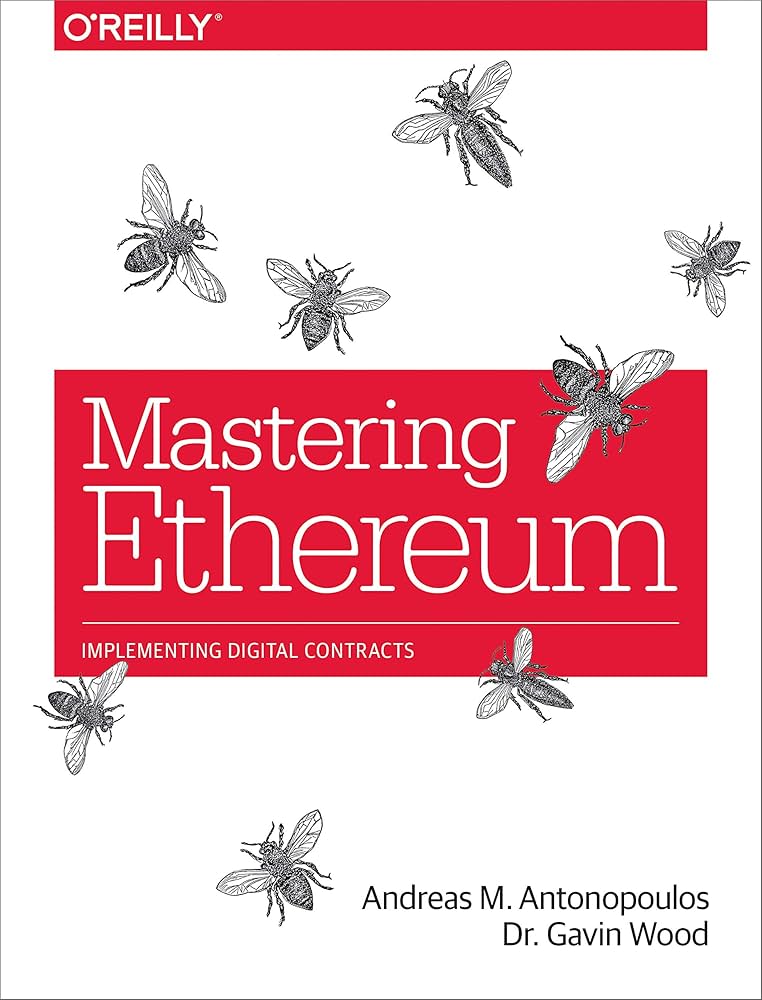
Building and launching an L3 appchain requires a solid understanding of blockchain architecture and community management. The following resources can help you deepen your knowledge and equip your team with the necessary tools for success.


As an Amazon Associate, we may earn from qualifying purchases.
How DevRel kits accelerate adoption
The biggest hurdle for any new L3 appchain boilerplate isn't the code—it's the friction new developers face when trying to build on it. A robust DevRel kit removes that friction by providing the exact tools, documentation, and financial support needed to go from zero to deployed contract in days rather than months. Without these resources, even the most powerful sovereign rollup technology sits unused.
Documentation that actually works
Good documentation is the difference between a developer who gives up and one who ships. The best L3 appchain boilerplates provide clear, copy-pasteable guides for setting up the node, configuring the sequencer, and deploying the first smart contract. This isn't just API reference material; it's a step-by-step tutorial that assumes the reader is new to the stack. When documentation is this accessible, the learning curve flattens significantly, allowing developers to focus on building their application logic rather than debugging infrastructure.
SDKs and tooling
Abstracting away the complex cryptography and consensus mechanics of a Layer 3 is essential for mass adoption. DevRel kits include SDKs that allow developers to interact with the L3 using familiar languages like JavaScript or Python. These toolkits manage the complex bridging of assets, transaction submission, and state reading. By providing a simple interface, the boilerplate ensures that developers don't need to be blockchain experts to build on top of it. This accessibility is what turns niche technology into a viable platform for mainstream applications.
Grants and incentives
Code alone doesn't drive adoption; incentives do. Leading DevRel kits include grant programs that provide funding for early builders. These grants serve two purposes: they reduce the financial risk for startups building on the new chain, and they generate immediate, visible use cases that attract other developers. When a developer sees that their work might be funded, they are far more likely to choose that L3 appchain boilerplate over a competitor with a similar tech stack but no financial backing.
Building the community
Finally, a DevRel kit must include community support channels. This means dedicated Discord servers, technical forums, and regular office hours with the core team. When a developer gets stuck, they need immediate access to help. A responsive community not only solves individual problems but also creates a network effect where builders help each other. This sense of belonging is a powerful retention tool, ensuring that developers stay engaged with the L3 appchain boilerplate long after their initial deployment.
Deploying your first sovereign rollup
The best L3 appchain boilerplates are designed to remove the friction of infrastructure. You should not need to compile custom kernels or manage complex node configurations to launch a chain. Leading providers have standardized the process so that a functional sovereign rollup can be spun up on your local machine quickly.
A sovereign rollup is a blockchain layer that settles its data on a parent chain (like Ethereum) but executes transactions independently. This setup gives you control over your chain’s economics and governance without the headache of building the underlying consensus and data availability layers from scratch. Using a boilerplate means you get this architecture pre-configured, allowing you to focus on the application logic that matters to your users.
The deployment process is straightforward and follows a consistent pattern across top-tier providers. You typically clone the repository, configure your environment variables, and run a single command to start the chain. This simplicity is what makes L3 appchain boilerplates so valuable for DevRel teams looking to onboard developers quickly.
1. Clone the boilerplate repository
Start by selecting a boilerplate that supports the specific L2 settlement layer you plan to use, such as Base or Arbitrum. Clone the repository to your local development environment. These repositories usually include all the necessary smart contracts, node configurations, and deployment scripts. This step ensures you have a clean, version-controlled starting point that is known to work.
2. Configure environment variables
Next, set up your local environment. You will need to define your private keys, RPC endpoints for the settlement layer, and any specific chain parameters like block time or gas limits. Most boilerplates provide a .env.example file to guide you. This configuration step is critical for ensuring your rollup can communicate correctly with the underlying L2 and that your local node has the necessary permissions to broadcast transactions.
3. Start the local node and deploy contracts
Run the provided deployment script to spin up the rollup node and deploy the core smart contracts. This single command typically manages the sequencer and the data availability layer. Within minutes, you will have a fully functional local chain. You can then verify the deployment by checking the block explorer or sending a test transaction to confirm that the chain is processing blocks as expected.
Select a boilerplate that supports your target L2 settlement layer, such as Base or Arbitrum. Clone the repository to your local development environment. These repositories include all necessary smart contracts, node configurations, and deployment scripts, providing a clean, version-controlled starting point.
Set up your local environment by defining private keys, RPC endpoints for the settlement layer, and chain parameters like block time. Use the provided .env.example file as a guide. This step ensures your rollup can communicate correctly with the underlying L2 and that your local node has the necessary permissions.
Run the provided deployment script to spin up the rollup node and deploy core smart contracts. This single command handles the setup of the sequencer and data availability layer. Within minutes, you will have a fully functional local chain ready for testing.
This rapid deployment cycle is ideal for DevRel initiatives. It allows you to create demo environments for hackathons, workshops, and developer tutorials without spending days on infrastructure setup. By reducing the time to first block, you keep developers engaged and focused on building innovative applications rather than debugging node configurations.
Choosing the right infrastructure for your team
Selecting an L3 appchain boilerplate is less about finding the "best" code and more about matching your team's specific constraints. You are balancing three competing needs: how fast you can launch, how much control you want over the logic, and where your chain settles its final data. A mismatch here leads to technical debt that is expensive to fix later.
If speed is your primary goal, look for boilerplates that offer pre-configured rollup nodes and standardized tokenomics scripts. These tools let you spin up a sovereign rollup in days rather than months. The trade-off is that you are locked into the creator's specific stack, which may limit future customization. This approach works well for teams validating a concept or running time-sensitive marketing campaigns.
For teams prioritizing customization, the boilerplate should provide a modular architecture. You need the ability to swap out the sequencer, modify the EVM opcode set, or integrate custom precompiles without rewriting the core code. This flexibility is essential for complex dApps that require specific gas models or privacy features. However, this path demands a deeper understanding of the underlying Layer 2 settlement layer.
Finally, consider the settlement layer. Most L3s settle on a Layer 2 like Starknet or Arbitrum. Ensure your chosen boilerplate is compatible with your target L2's finality guarantees. If your appchain settles on a different L2 than your main application, you add complexity to cross-chain communication. Keep the infrastructure simple to reduce security risks and maintenance overhead.
No comments yet. Be the first to share your thoughts!