
Why L3 appchain boilerplates matter now
The narrative around blockchain scaling has shifted. We are moving past the era of generic Layer 2 rollups toward specialized Layer 3 (L3) appchains. This transition isn't just technical; it represents a fundamental change in how builders approach token launches and user acquisition in 2026.
Generic L2s offer shared security and cost efficiency, but they often force dApps into a one-size-fits-all framework. L3 appchains, which settle on L2s, allow builders to fully control the logic and economics of their specific application. This customizability is critical for projects that need unique transaction structures or dedicated tokenomics that don't fit standard ERC-20 or ERC-721 molds.
Boilerplates are the infrastructure that makes this shift possible. Without them, launching an L3 appchain requires months of custom development and security auditing. Boilerplates provide pre-configured nodes, sequencers, and bridge contracts, reducing time-to-market from quarters to weeks. For DevRel teams, this speed is essential. It allows for rapid iteration and testing of community incentives before a full token launch.
The market is already reflecting this preference. As Ethereum Layer 2s mature, liquidity and activity are fragmenting into specialized L3 environments. Projects that can deploy quickly and tailor their user experience to specific niches will capture attention faster than those stuck on crowded general-purpose chains.
This isn't about replacing L2s. It's about completing the stack. L2s provide the settlement layer and security; L3s provide the execution layer and customization. Boilerplates bridge the gap, turning complex L3 infrastructure into a usable tool for builders who want to focus on their product, not their node management.
Top L3 appchain boilerplates for 2026
The landscape of L3 appchain boilerplates has shifted from generic EVM wrappers to specialized stacks designed for specific settlement layers and developer experience needs. For DevRel teams, the choice of boilerplate dictates how easily the community can onboard, how transparent the governance is, and how much friction exists in the deployment pipeline. Below are the leading options defining the 2026 standard.

Spire
Spire has emerged as a primary choice for teams seeking rapid deployment with a focus on "based" architecture. Its boilerplate simplifies the creation of L3 appchains that synchronously read data from their L2 settlement layer, reducing the complexity of cross-layer communication. For DevRel, Spire’s documentation and demo environments provide a clear, visual way to explain the architecture to new developers, lowering the barrier to entry for builders who might otherwise be intimidated by custom node management.
StarkWare-Based Stacks
Boilerplates built on StarkWare’s STARK technology offer a distinct advantage for applications requiring high throughput and zero-knowledge proofs. These stacks are particularly relevant for DeFi and gaming projects where transaction finality and data availability are critical. The DevRel angle here is technical depth; developers using these boilerplates need robust educational resources to understand ZK-rollup mechanics. Successful DevRel strategies for these stacks often involve deep-dive workshops and transparent benchmarking data to build trust in the underlying cryptography.
Generic EVM L3 Stacks
Traditional EVM-compatible L3 stacks remain the most accessible entry point for developers migrating from Ethereum L2s. These boilerplates prioritize compatibility with existing tooling like Hardhat, Foundry, and standard wallet interfaces. While they may lack the specialized optimizations of ZK-based or based architectures, their strength lies in network effects. DevRel efforts for these platforms focus on ecosystem grants, hackathons, and integrating with popular L2 bridges to ensure developers can move assets and users seamlessly between layers.
Comparison of L3 Boilerplate Features
The following table compares key aspects of these boilerplates to help teams decide which aligns with their technical and community goals.
| Boilerplate | Settlement Layer | DevRel Focus |
|---|---|---|
| Spire | Based L2 Sync | Visual demos and simplified architecture docs |
| StarkWare | ZK-Rollup | Technical workshops and benchmark transparency |
| Generic EVM | Standard L2 | Ecosystem grants and bridge integration |
Integrating DevRel kits into the launch
A token launch is a race against attention. While the smart contract handles the ledger, the DevRel kit handles the narrative. By bundling a landing page, authentication, payments, and documentation into a single deployable unit, teams can shift focus from infrastructure to community engagement. This integration reduces time-to-market, allowing projects to validate demand before heavy infrastructure costs accumulate.
Start by spinning up the boilerplate environment. Modern L3 appchain boilerplates include pre-configured landing pages, authentication flows, and payment gateways. This initial deployment creates the public face of your project, ensuring that early visitors encounter a professional, functional interface rather than a placeholder.
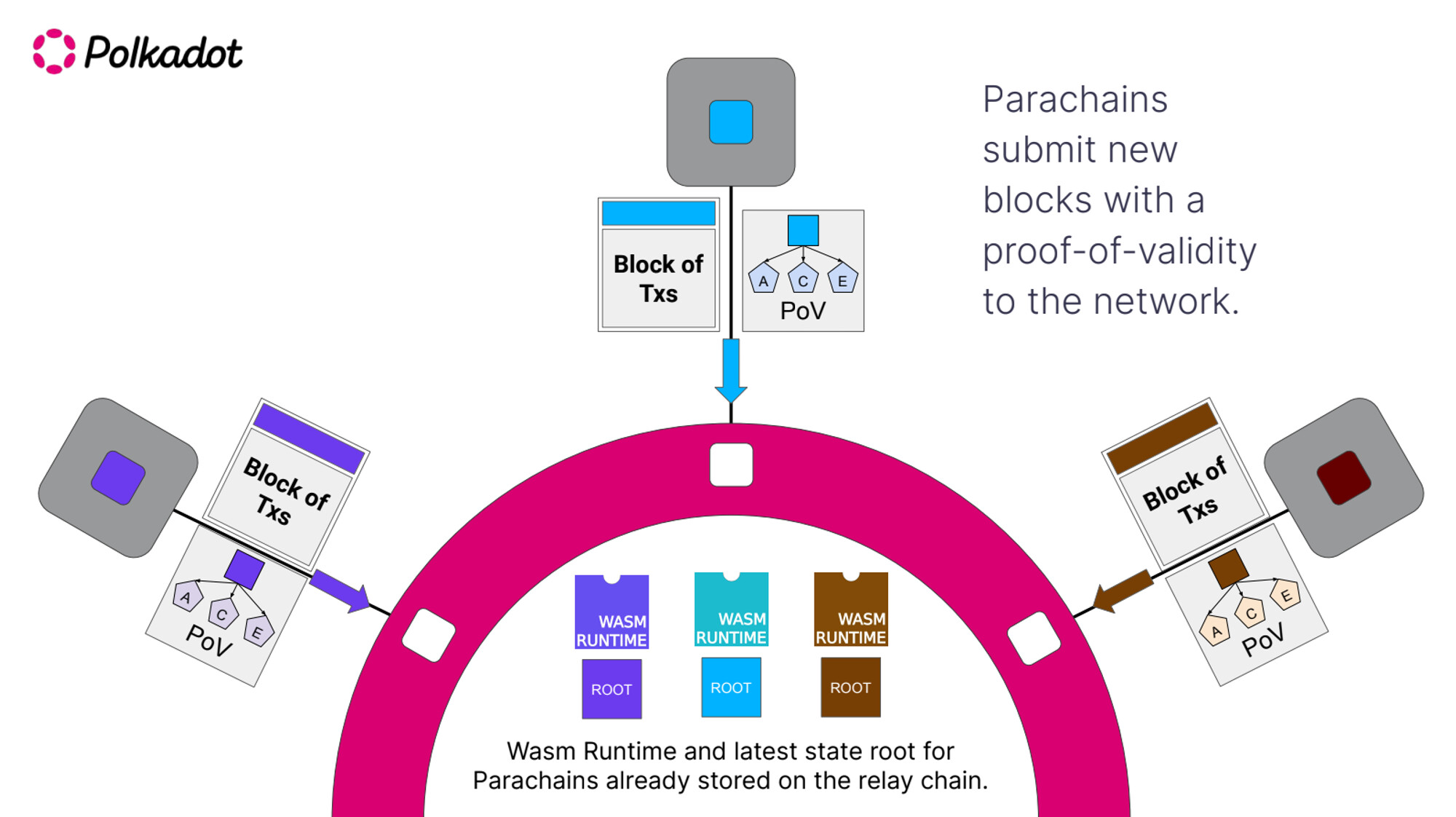
Integrate your token contract with the kit’s payment and auth modules. This step ensures that wallet connections trigger the correct user states—whether that’s gated content access or token-gated community features. By automating these interactions, you remove friction for new users who are unfamiliar with multi-wallet setups.
A launch fails without clarity. Use the kit’s documentation module to host whitepapers, technical specs, and user guides. This centralizes information, reducing support tickets and allowing developers to build on your ecosystem with confidence. Clear docs signal legitimacy, which is critical for attracting early adopters and partners.


As an Amazon Associate, we may earn from qualifying purchases.
The synergy between technical infrastructure and community narrative is what separates successful launches from forgotten ones. A DevRel kit ensures that both sides are built simultaneously, creating a cohesive experience that converts visitors into active participants.
Technical setup and settlement layers
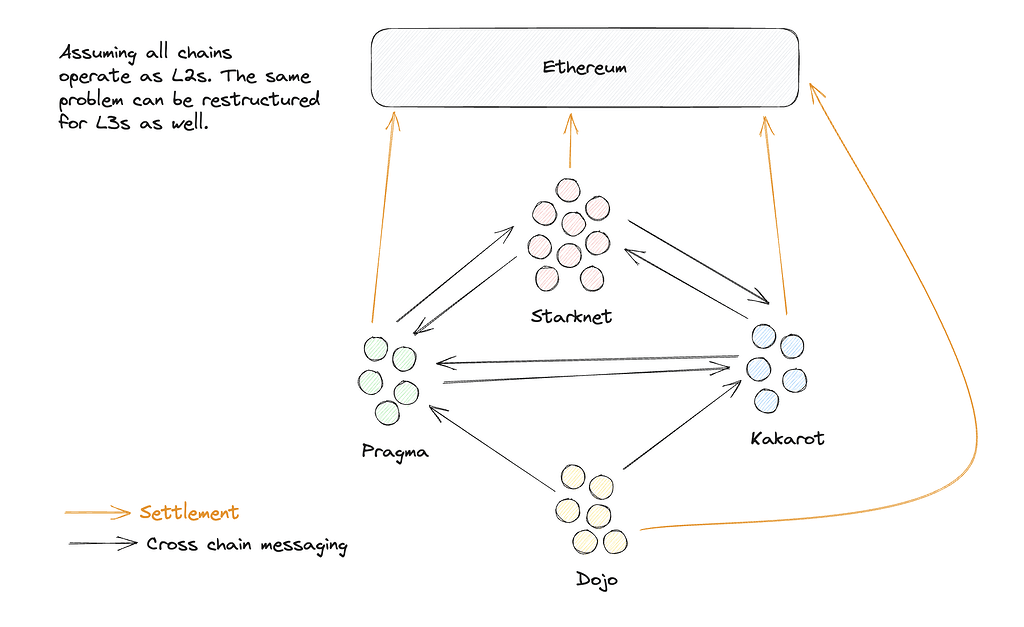
An L3 appchain boilerplate relies on a specific hierarchy: the application layer sits atop an L2, which settles its state on the main Ethereum chain. This structure allows builders to customize execution logic while inheriting the security guarantees of the underlying settlement layer. As StarkWare notes, L3 appchains enable greater customizability for builders seeking to fully control the logic of their dApp because they settle on L2s, which in turn settle on L1.
The critical technical differentiator for modern L3s is synchronous data reading. Unlike earlier models that relied on asynchronous bridges or delayed state proofs, a based L3 appchain can read data from its L2 settlement layer in real-time. This capability, demonstrated by projects like Spire’s Pylon, ensures that application state remains tightly coupled with settlement data, reducing latency and complexity for developers.
To contextualize the economic impact of this setup, consider the cost of securing your L3. Settlement fees are driven by the underlying asset prices and the gas costs required to post state roots to the L2. Monitoring these metrics helps you estimate the ongoing operational overhead of your appchain.
For developers, the technical stack must support this synchronous relationship. This means configuring your sequencer and prover to validate against the L2 state root at every step, rather than waiting for periodic finality. This approach transforms the L3 from a simple rollup into a true appchain, where the application logic and settlement layer operate as a unified system.
Common questions about L3 appchains
Understanding the architecture of Layer 3 (L3) appchains helps clarify how they fit into the broader blockchain ecosystem. While Layer 1 (L1) networks like Ethereum provide the base security and Layer 2 (L2) solutions handle high-volume transaction batching, L3s focus on specific application needs.
What are the 7 layers of the blockchain?
Blockchain architecture is typically divided into seven distinct layers: hardware, data, network, consensus, application, incentive, and smart contracts. Each layer serves a specific function, from the physical infrastructure that runs nodes to the user-facing applications that interact with the network. L3 appchains primarily operate within the application and smart contract layers, leveraging the underlying layers for security and connectivity.
What are the three elements of the scalability trilemma?
The blockchain trilemma describes the challenge of balancing scalability, security, and decentralization. Most networks can only optimize for two of these three properties at once. L3 appchains aim to solve this by offloading transaction processing to specialized chains, thereby improving scalability without compromising the security inherited from their parent L1 or L2 networks.
How do L3 apps provide practical utility?
Layer 3 applications bridge the gap between complex blockchain infrastructure and everyday users. By using application programming interfaces (APIs), L3s allow developers to build specialized tools—such as gaming platforms, decentralized finance protocols, or enterprise solutions—that abstract away the underlying technical complexity. This makes blockchain technology accessible to non-technical users while maintaining the benefits of decentralization.
No comments yet. Be the first to share your thoughts!